
Admission ticket
Palazzo Madama, Museum of Ancient Art
Sculpture, paintings, ceramics and goldsmiths' work from the Middle Ages to the Baroque, in the palace on Piazza Castello.
4.6 (152) · GetYourGuide
From €10
Book TicketTurin's museum of ancient art on Piazza Castello
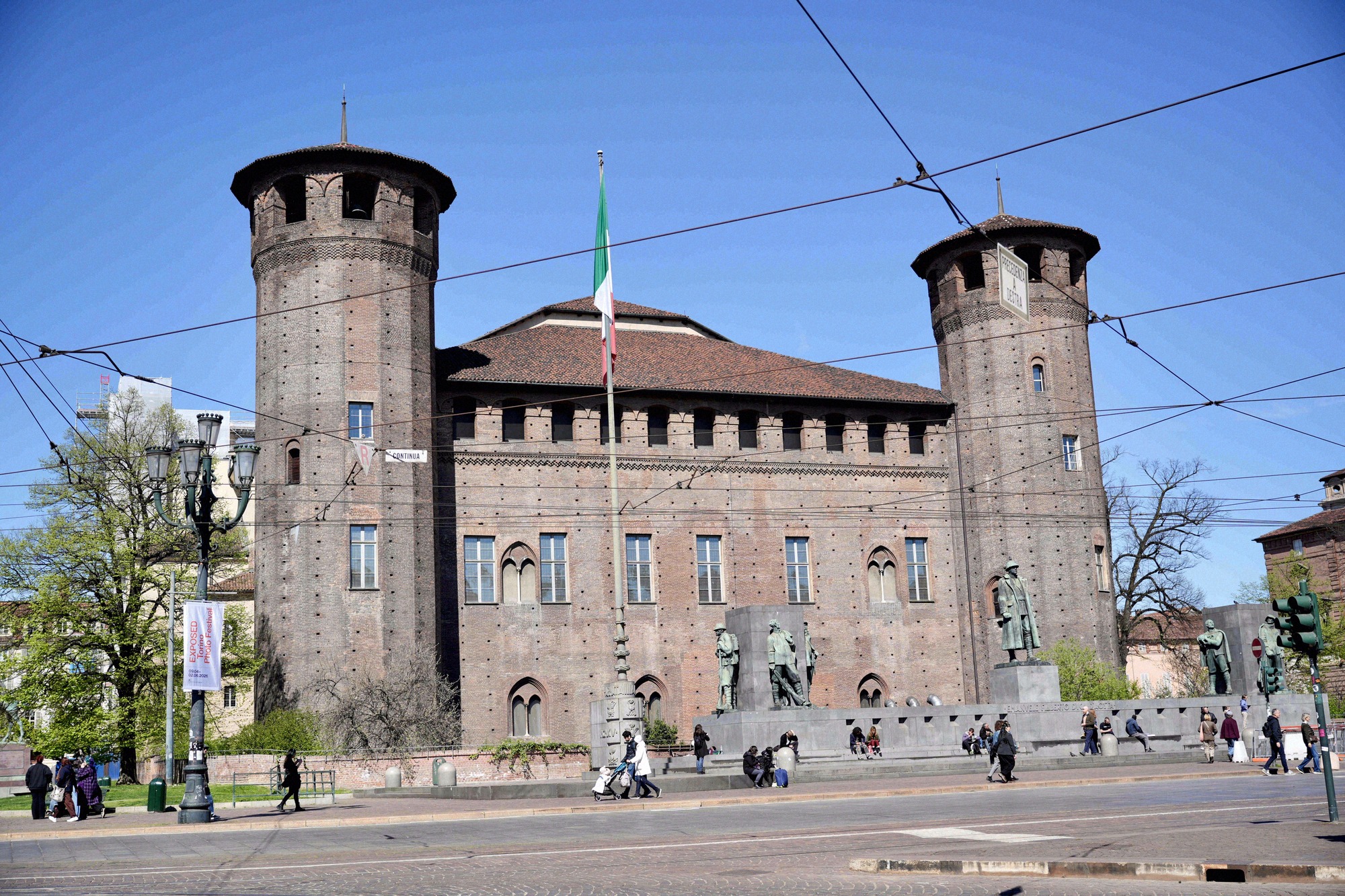
From a Roman gate through a medieval castle to Juvarra's Baroque facade - Palazzo Madama on Piazza Castello houses Turin's museum of ancient art.
Tickets
The ticket covers the collection of the Museo Civico d'Arte Antica in the palace. The courtyard and Juvarra's grand staircase are open without a ticket.
Admission ticket
Sculpture, paintings, ceramics and goldsmiths' work from the Middle Ages to the Baroque, in the palace on Piazza Castello.
4.6 (152) · GetYourGuide
From €10
Book TicketAdmission ticket
Entry to the palace and museum, with a reduced ticket for over-65s and students.
From €14.50
Book TicketPalazzo Madama, standing in the middle of Piazza Castello, is one of the most layered buildings in Turin, because the whole span of the city's history can be read in it. Its core goes back to a Roman city gate of the colony Augusta Taurinorum; in the Middle Ages a castle with imposing towers grew from it, and in the 18th century the court architect Filippo Juvarra added the palace's grand Baroque showpiece facade with its monumental staircase in front. The palace takes its name from two "Madame Reali", the regents Christine of France and Maria Giovanna Battista of Savoy, who resided here.
Today the palace houses the Museo Civico d'Arte Antica, with holdings ranging from the medieval period to the Baroque: sculpture, painting, ceramics, glass and goldsmiths' work spread across several floors. Its most famous piece is the Portrait of an Unknown Man (Ritratto d'uomo) by Antonello da Messina. The tower also opens onto a fine view over Piazza Castello and the surrounding rooftops. Allow around two hours for the collection; if you're pressed for time, at least the freely accessible courtyard is worth a look.
The entrance alone is an experience: Juvarra's glazed atrium courtyard with its wide, two-flight staircase can be visited without a ticket and gives a preview of the Baroque splendour inside. The lower level exposes the medieval walls and remnants of the Roman gate, while the grand halls with their stucco and frescoes follow above. It's the mix of architectural history and collection that makes the visit worthwhile, if you're after a pure picture gallery, the neighbouring Palazzo Reale with the Galleria Sabauda is the better choice.
The palace stands right on Piazza Castello (10122 Turin), you can't get more central. It is open Monday and Wednesday to Sunday from 10:00 to 18:00; Tuesday is closed, and the ticket office closes an hour before the museum does. Full admission costs €10, reduced €8, and it's free up to and including age 18. Tickets are available on site, through the Fondazione Torino Musei webshop, and via authorised ticket sellers. It's quietest on weekday mornings.
Numerous tram and bus lines (4, 11, 12, 13, 18, 51, 55, 56, 61, 68) stop at Castello, right on the square. From Porta Nuova and Porta Susa stations (both around 2 km away), the palace is also an easy walk. The visit combines well with Palazzo Reale and the cathedral; admission is usually included with the Torino+Piemonte Card.
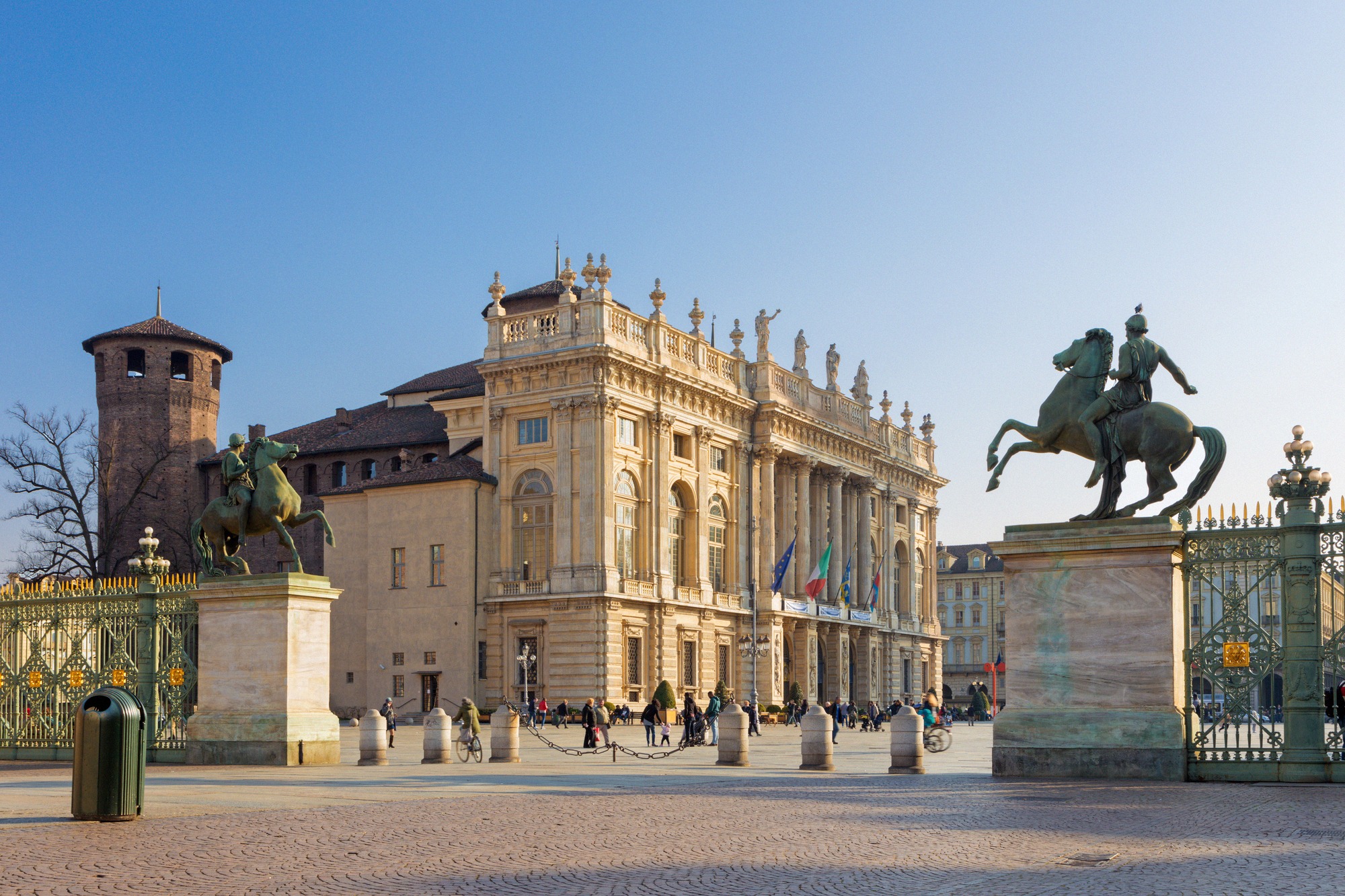
Turin's monumental main square, home to Palazzo Reale, Palazzo Madama, Teatro Regio and San Lorenzo. Free to visit and the ideal starting point.
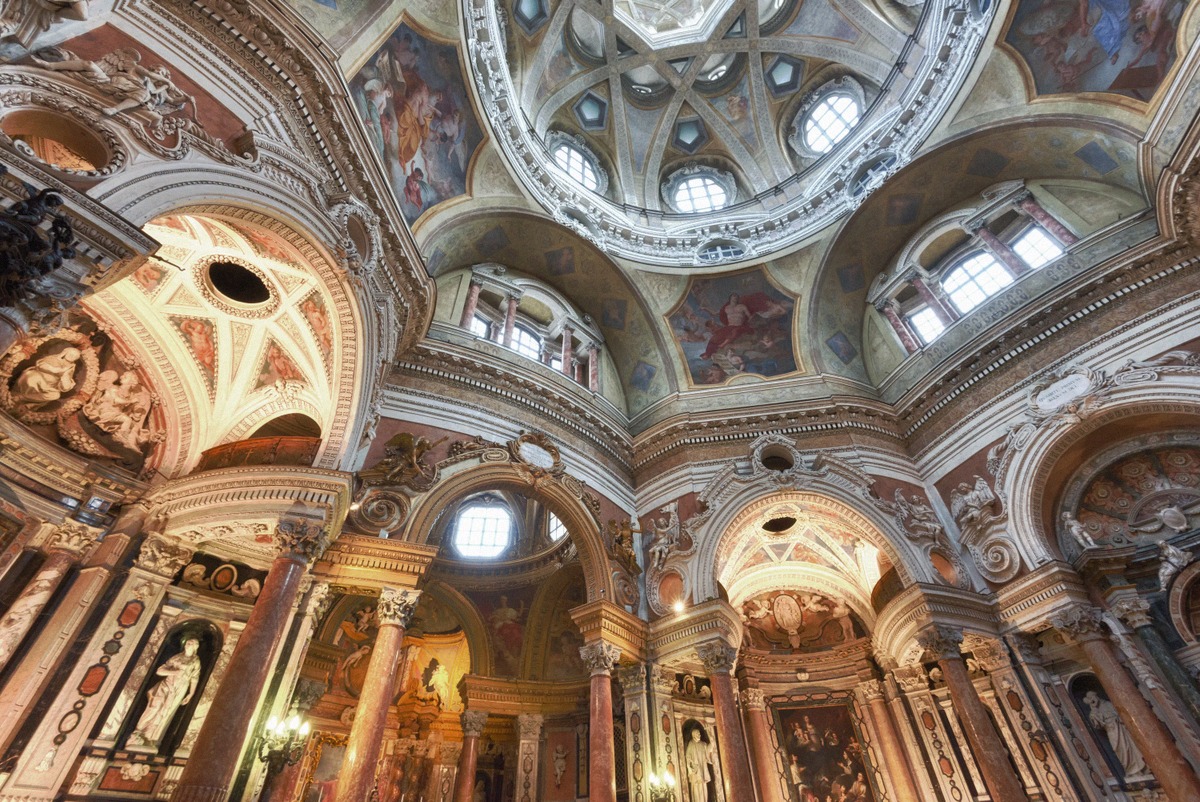
The Real Chiesa di San Lorenzo was the Savoy court church - Guarino Guarini's baroque masterpiece with a star-shaped ribbed dome of eight crossing arches.
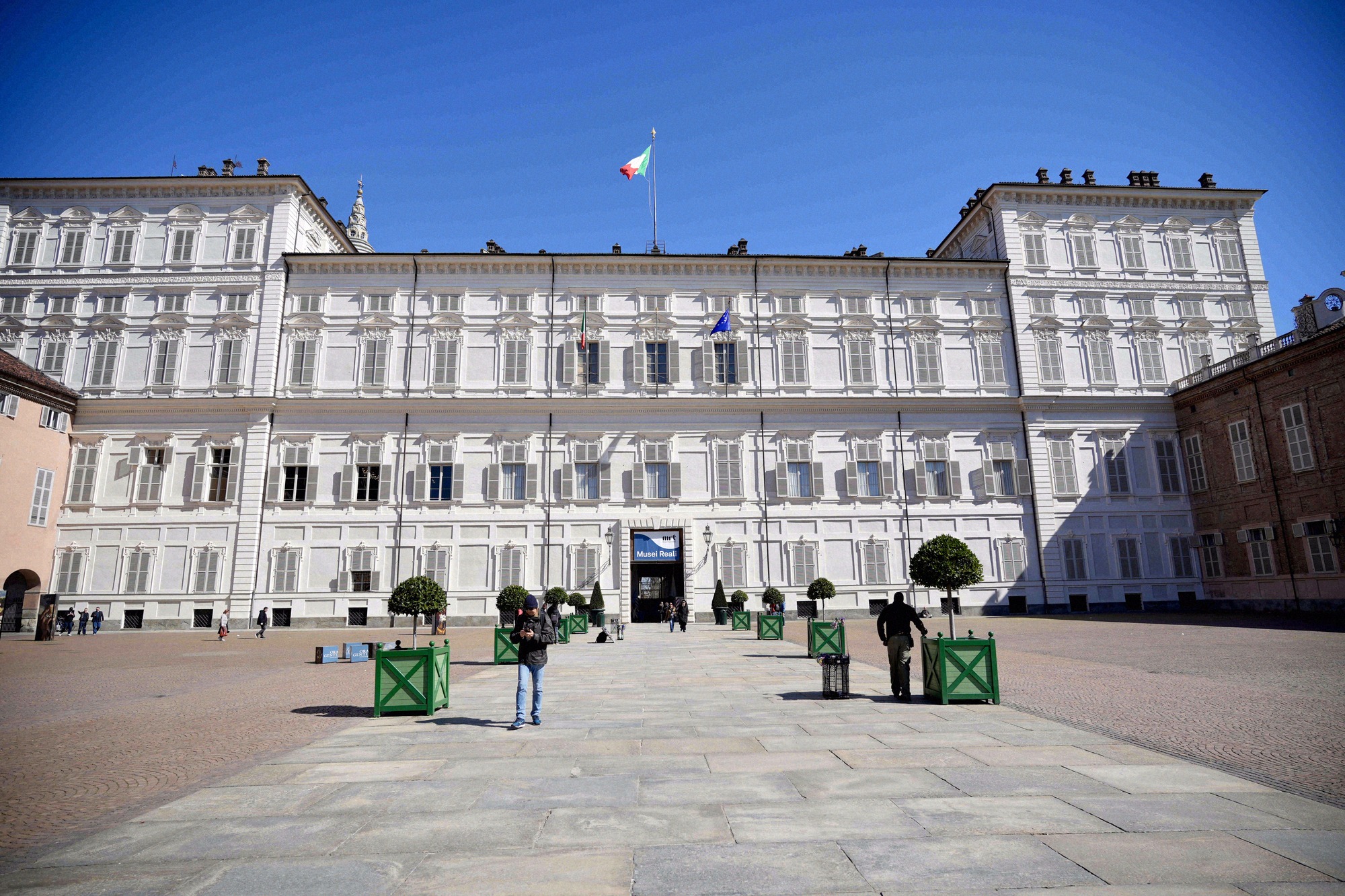
The Savoy royal palace and heart of the Musei Reali, state rooms, the Royal Armoury, Galleria Sabauda, library and Guarini's Shroud Chapel.
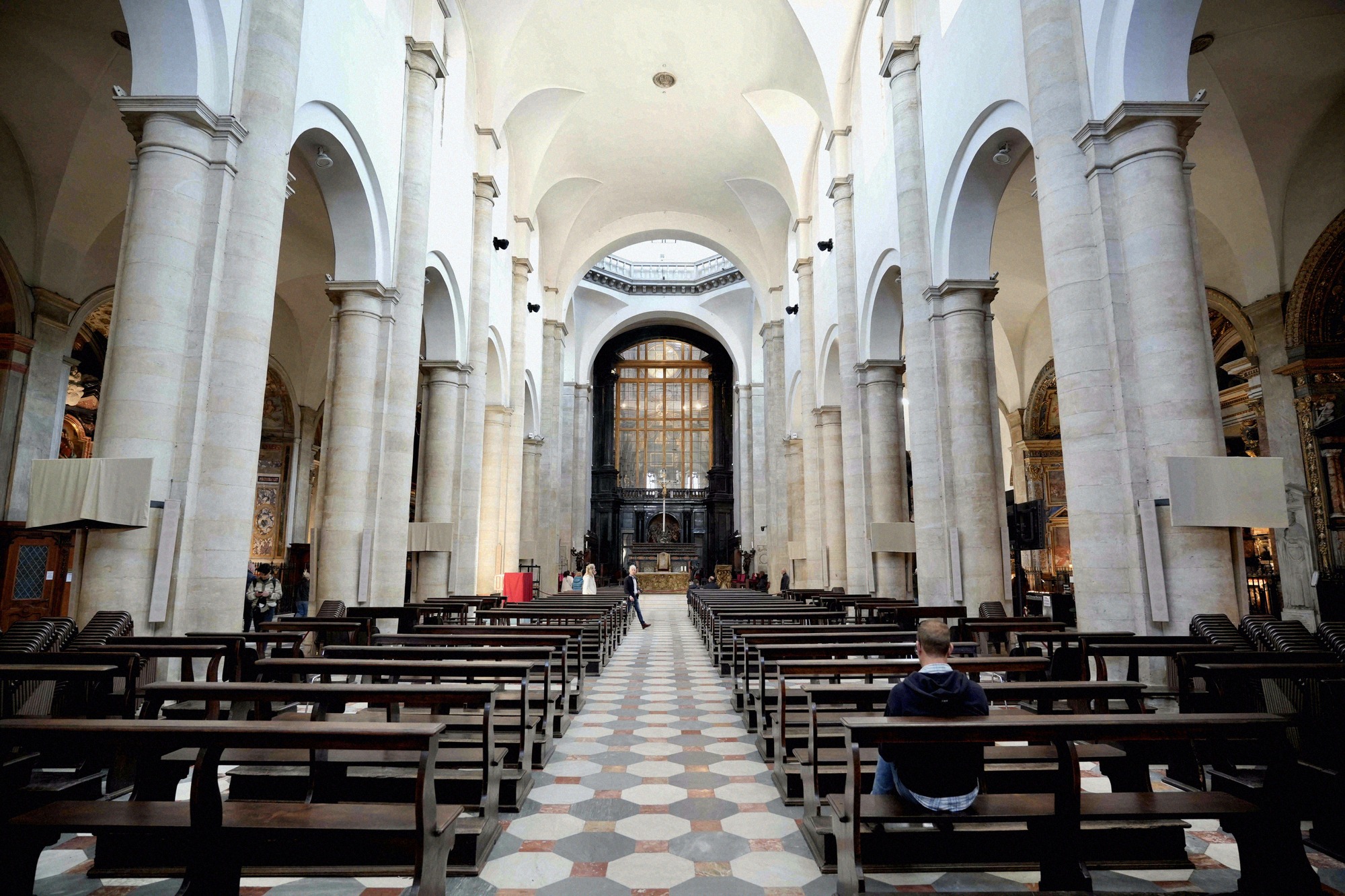
Turin Cathedral, the Cattedrale di San Giovanni Battista, is the city's only Renaissance church and home of the Holy Shroud. Free admission.
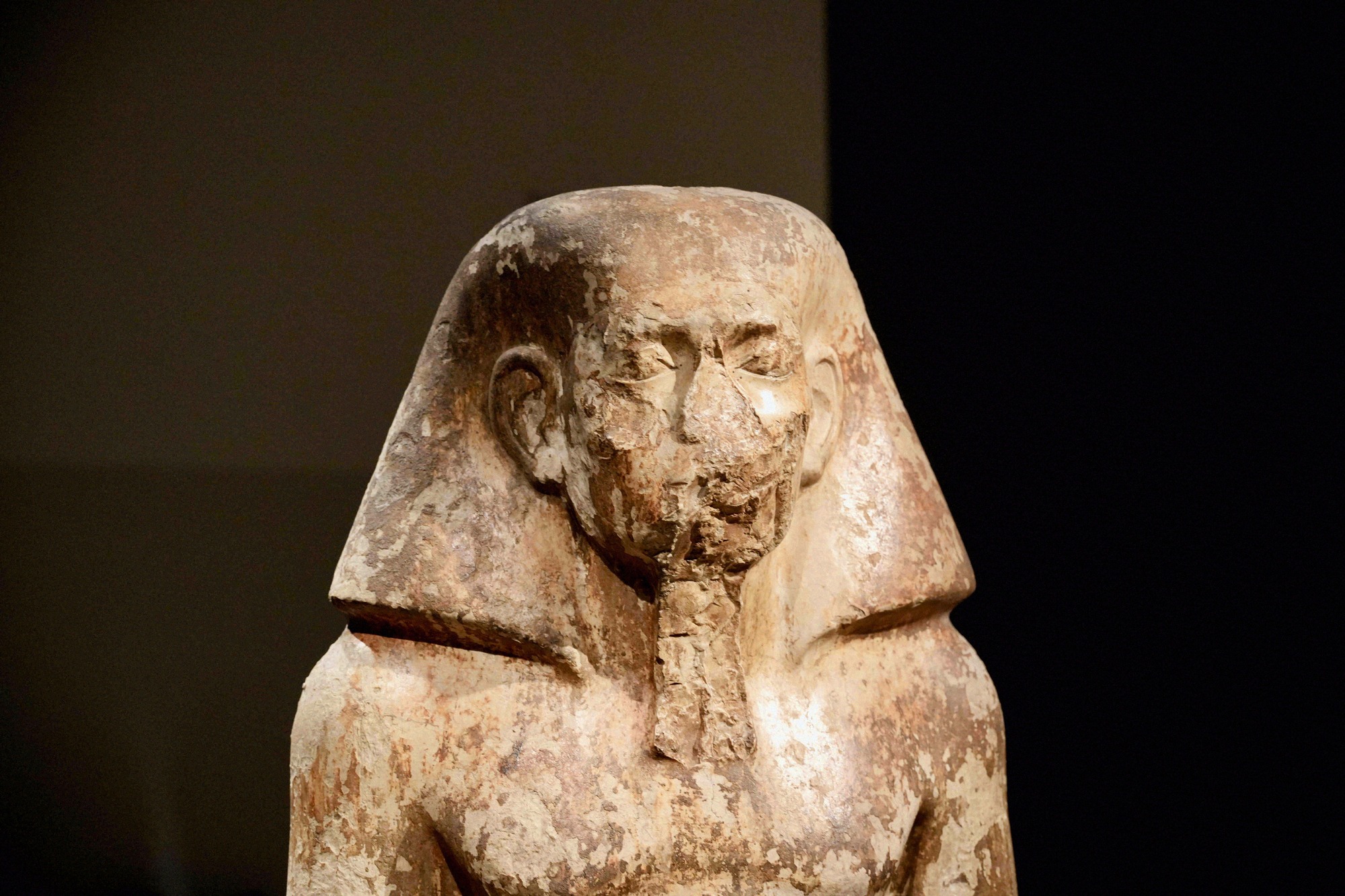
Turin's Egyptian Museum is the oldest in the world and, after Cairo, the most important, around 40,000 objects from 3,000 years of pharaonic culture.
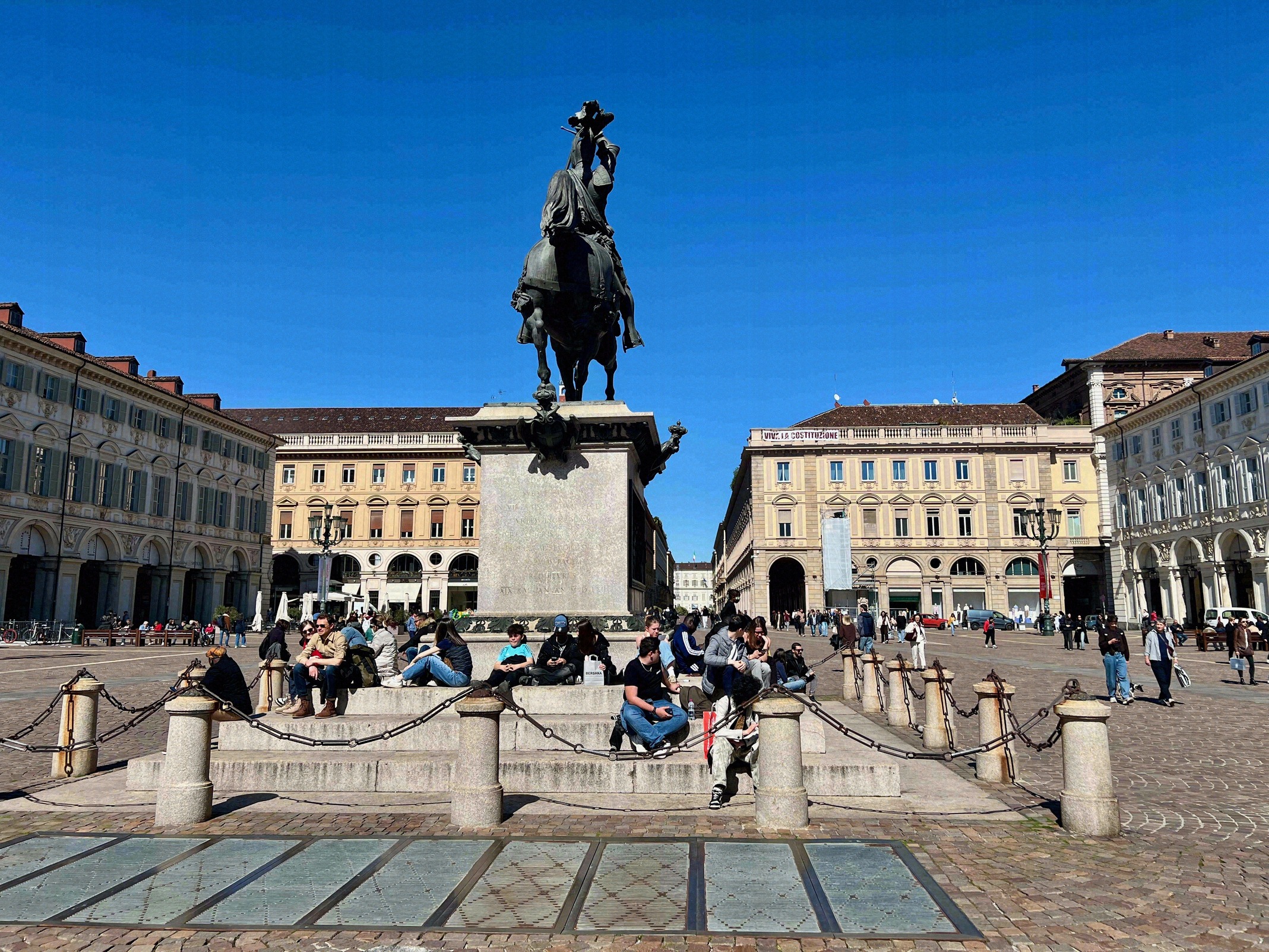
Turin's elegant baroque square on Via Roma, with twin churches, the Caval ëd Brôns equestrian monument and historic cafés under the arcades.