
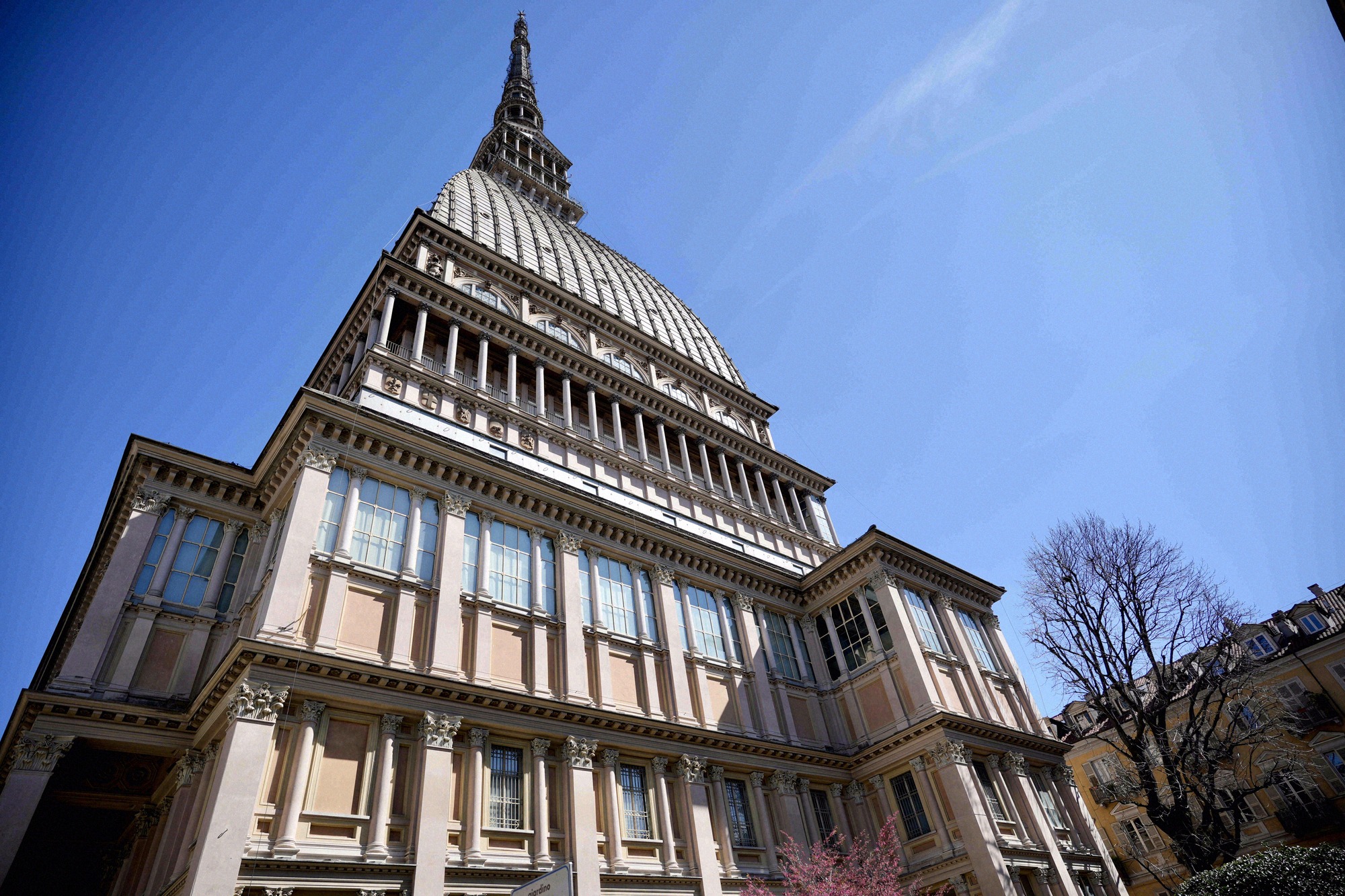
Mole Antonelliana
Cinema museum & viewing tower
Overview
The 16 must-see attractions in Turin at a glance, from the Mole Antonelliana and the Savoy residences to the cathedral, squares and park. With prices, free tips and a city card note.
Cinema museum & viewing tower
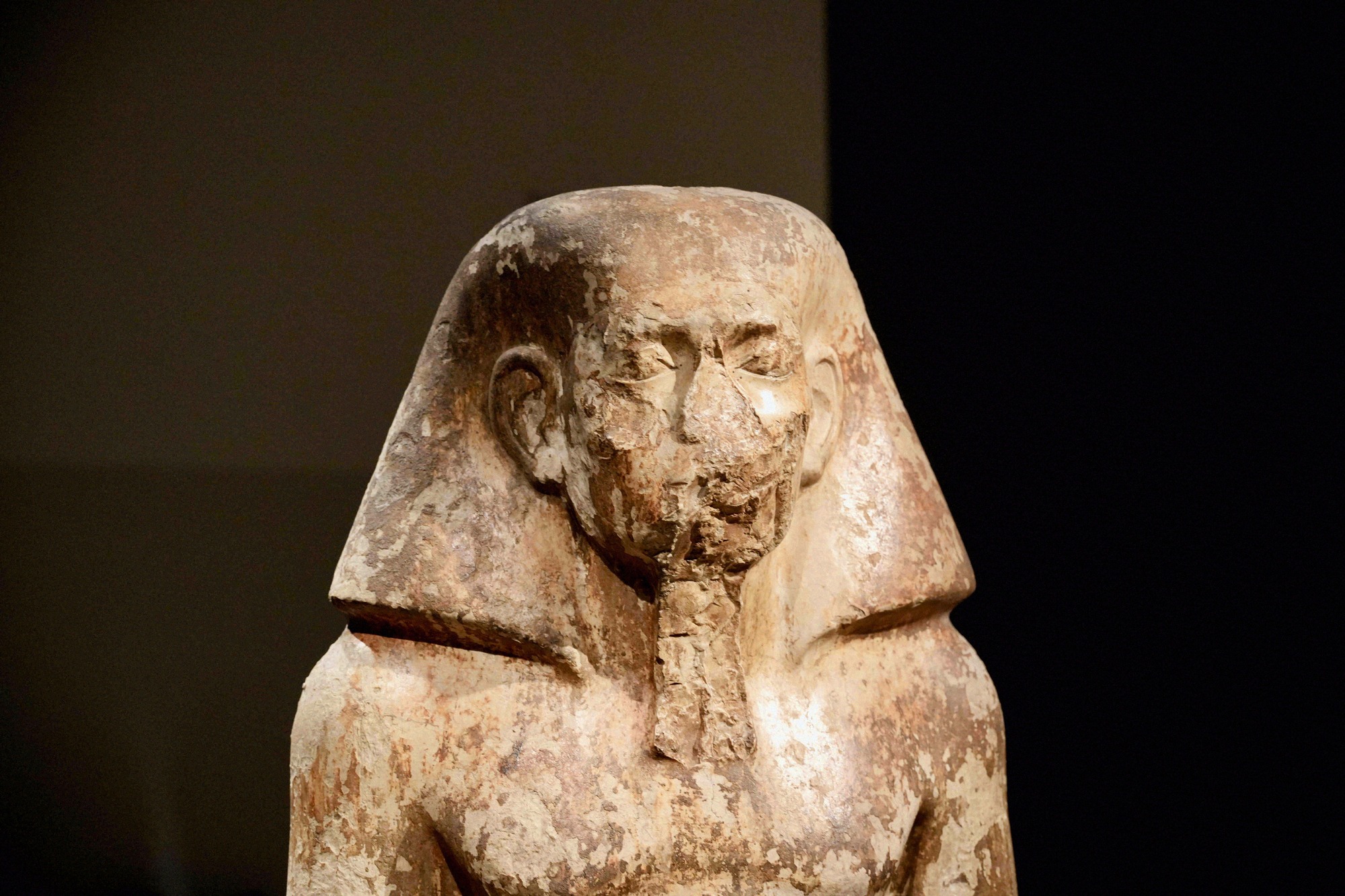
The oldest Egyptian museum in the world
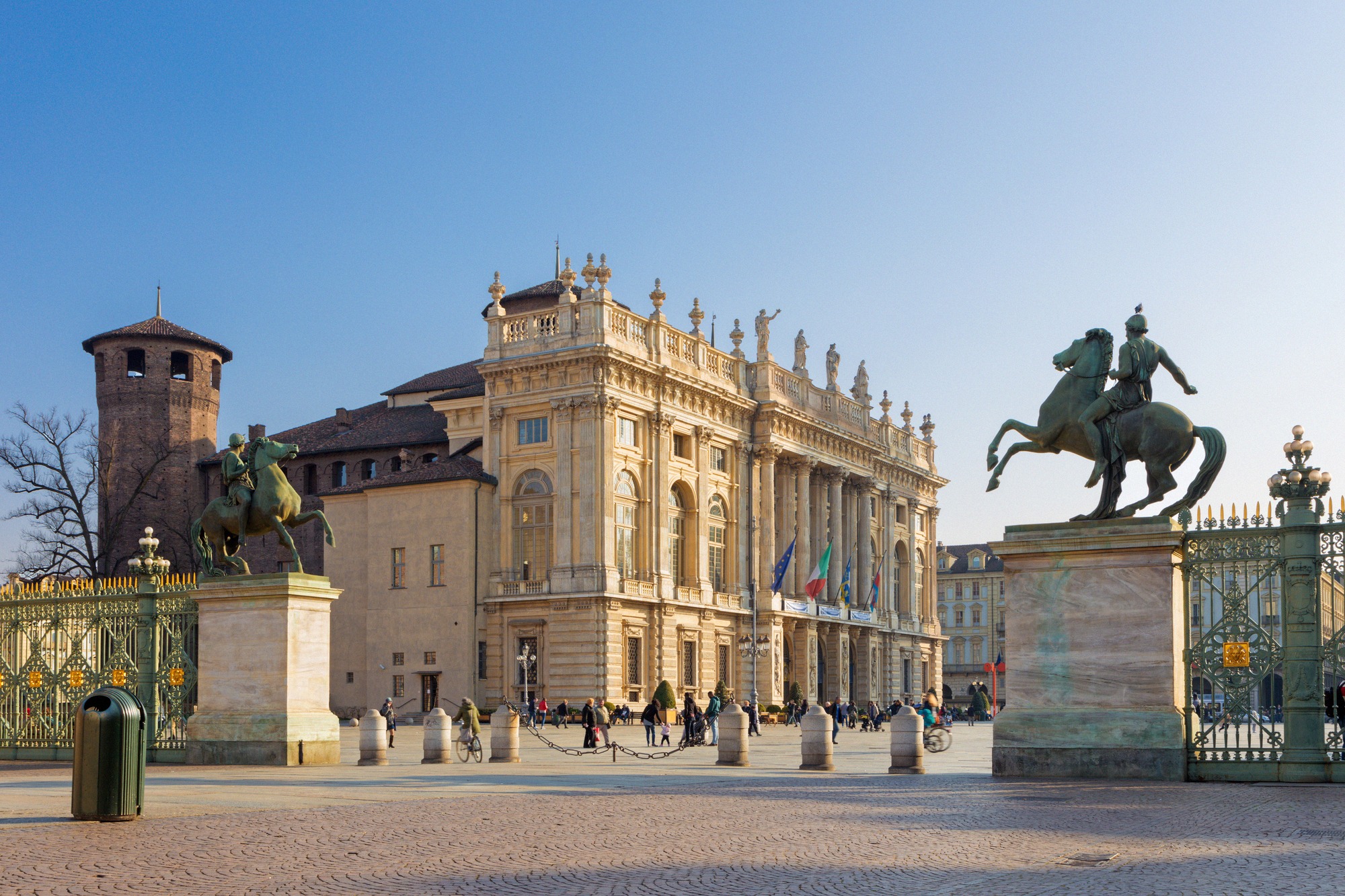
Grand baroque square with royal palaces and arcades
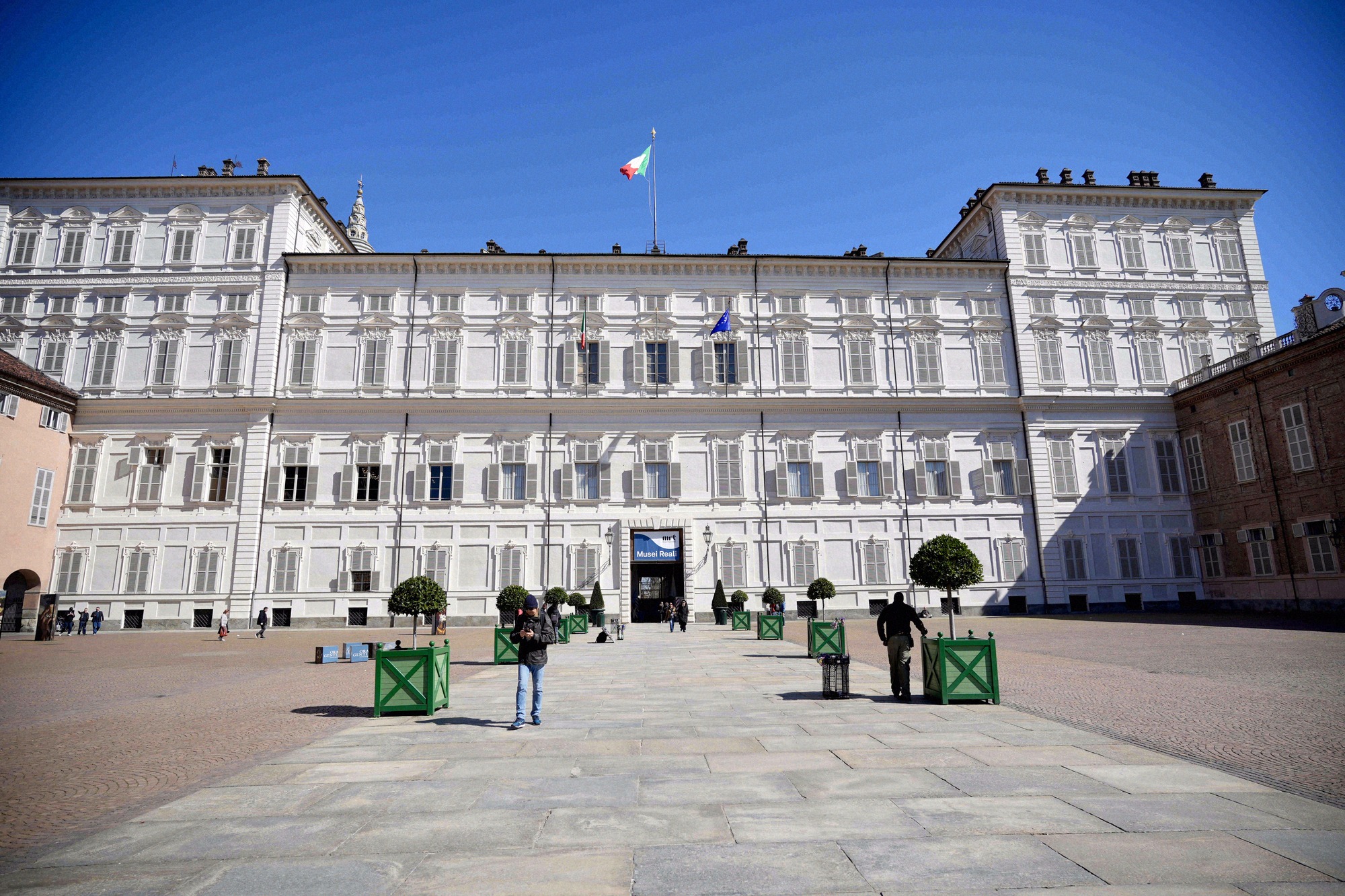
Royal Palace of the House of Savoy
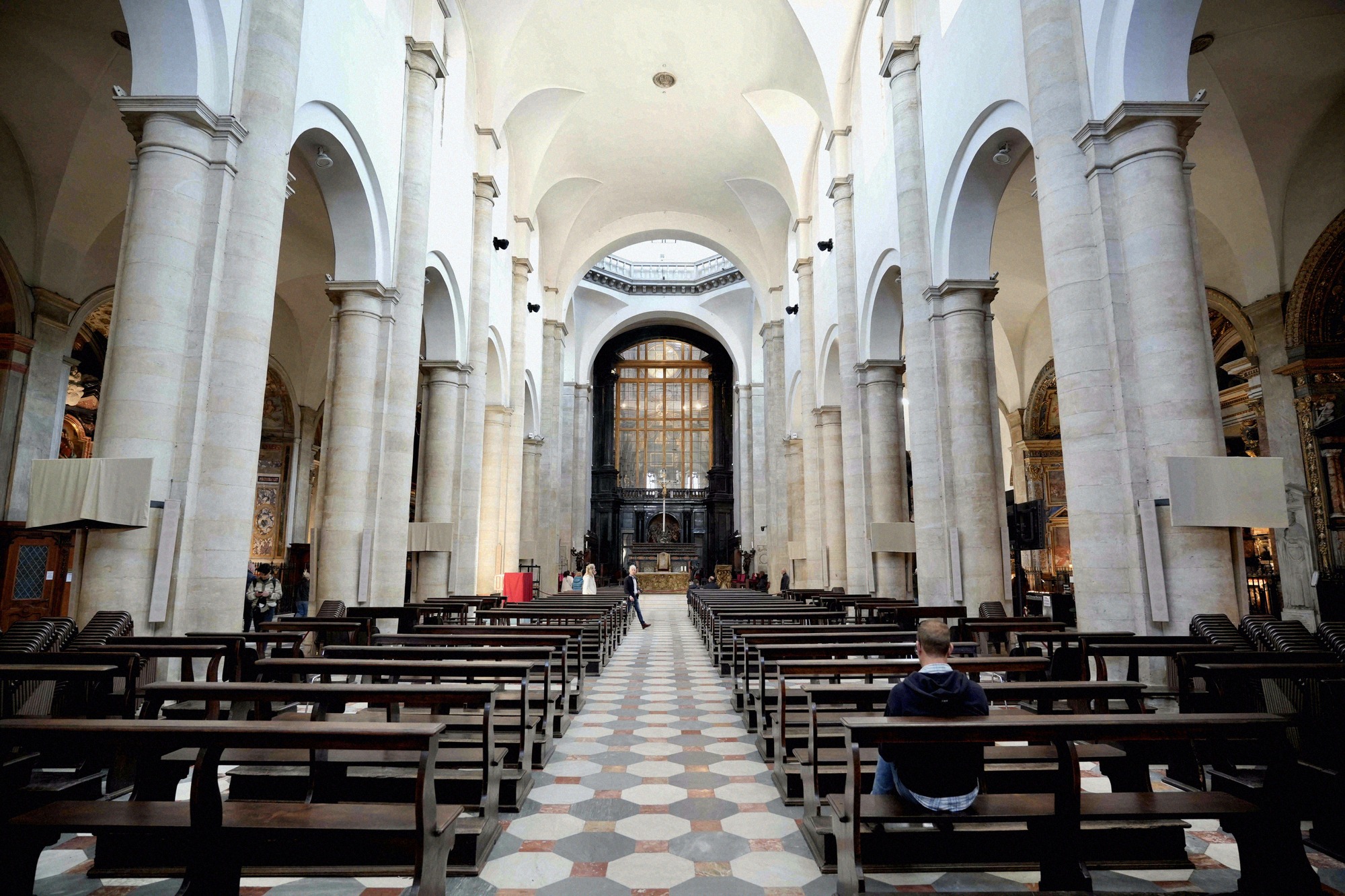
Renaissance cathedral home to the Shroud
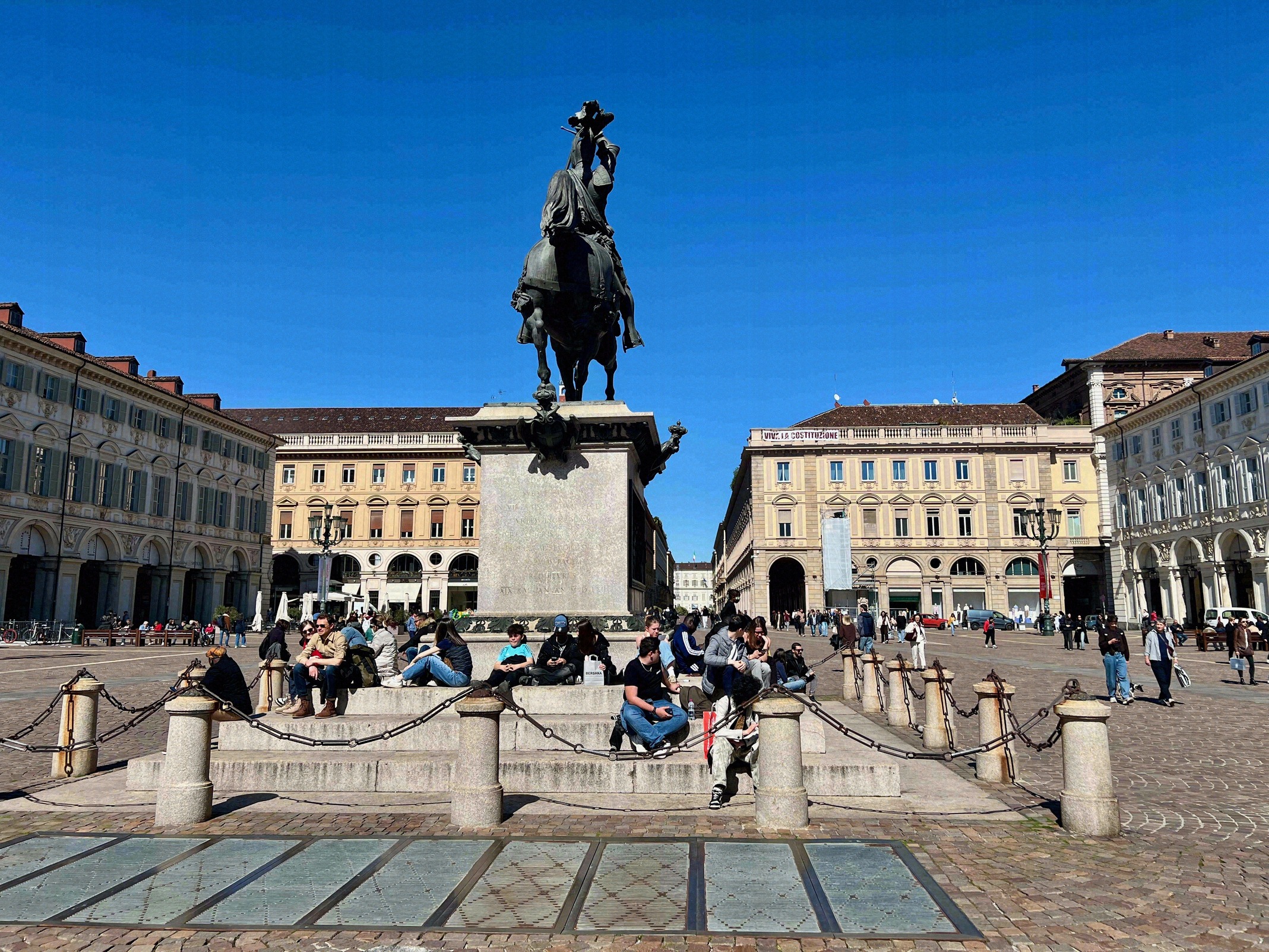
Elegant baroque square with twin churches
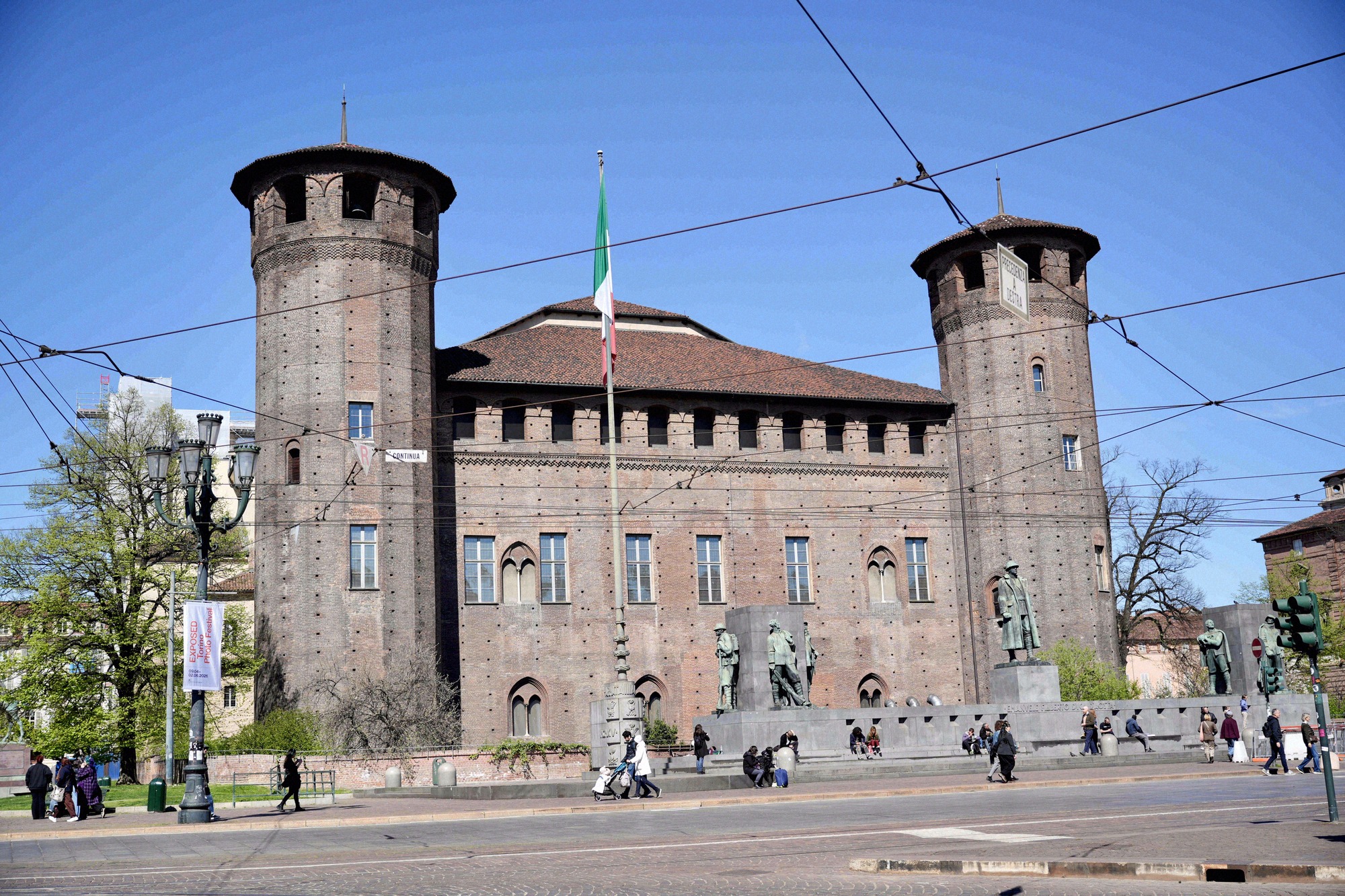
Turin's museum of ancient art on Piazza Castello
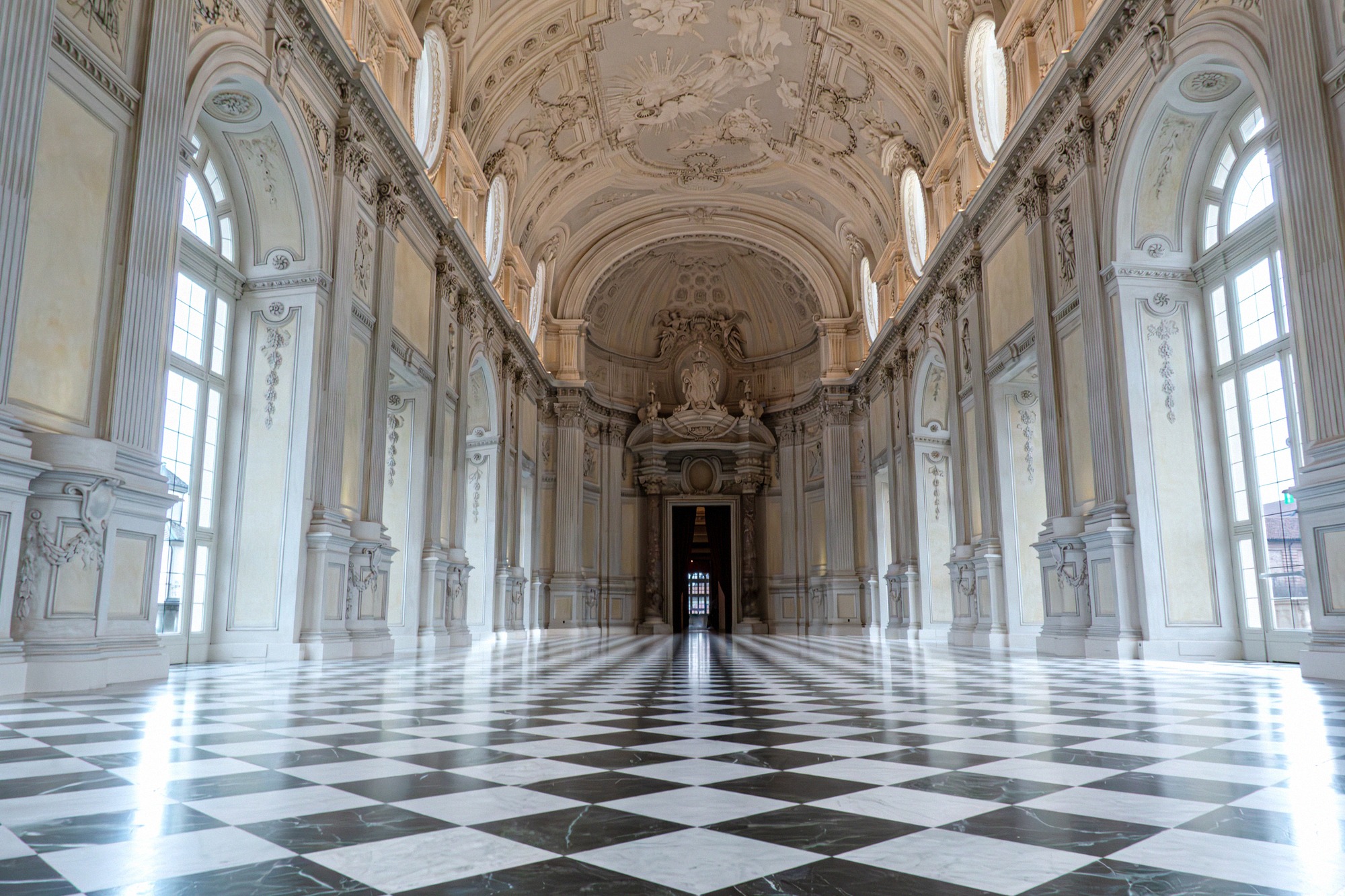
Baroque Royal Residence & Savoy Gardens
One of the oldest car museums in the world
Museum of modern & contemporary art
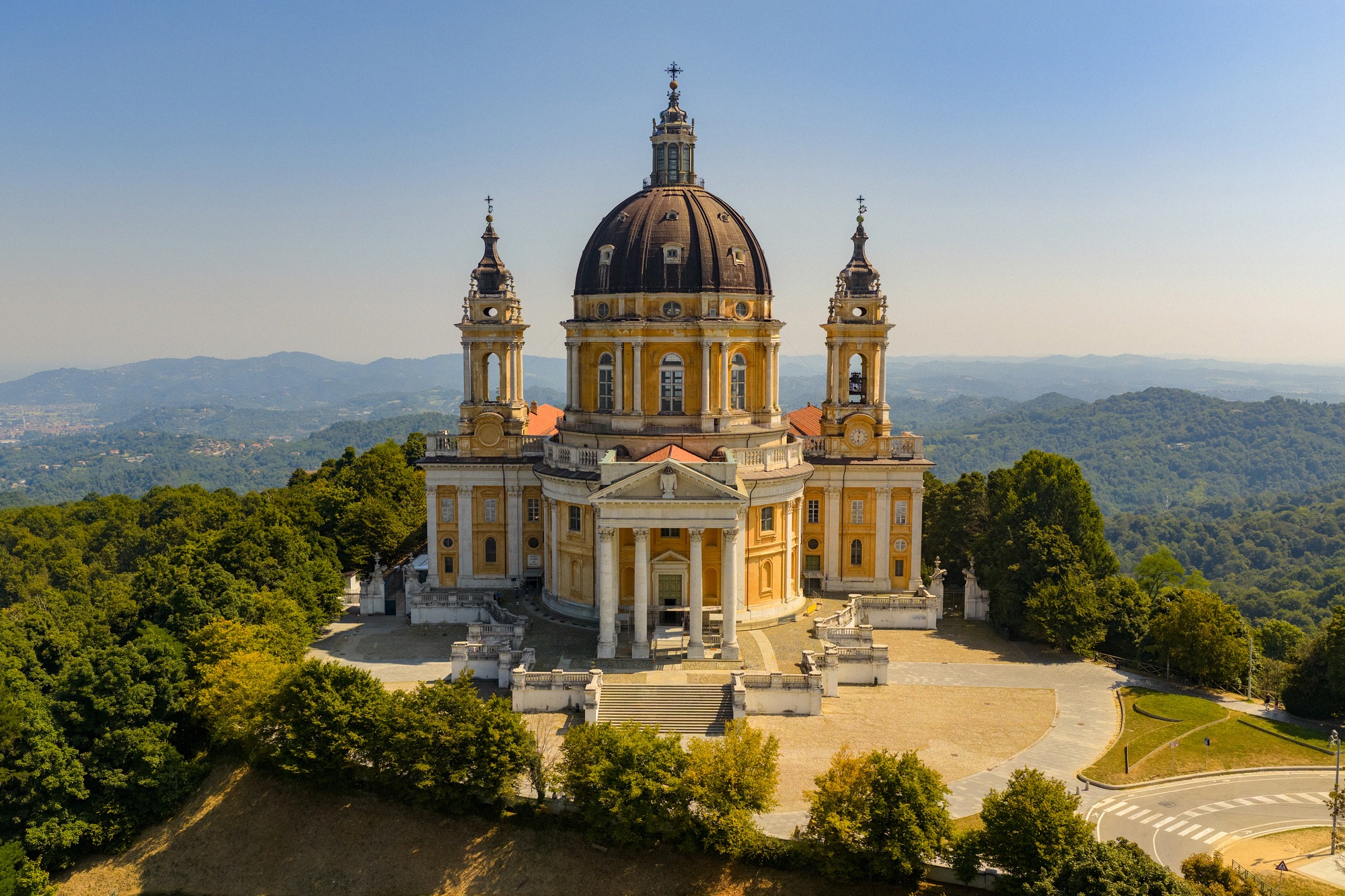
Baroque basilica with the royal crypt above Turin
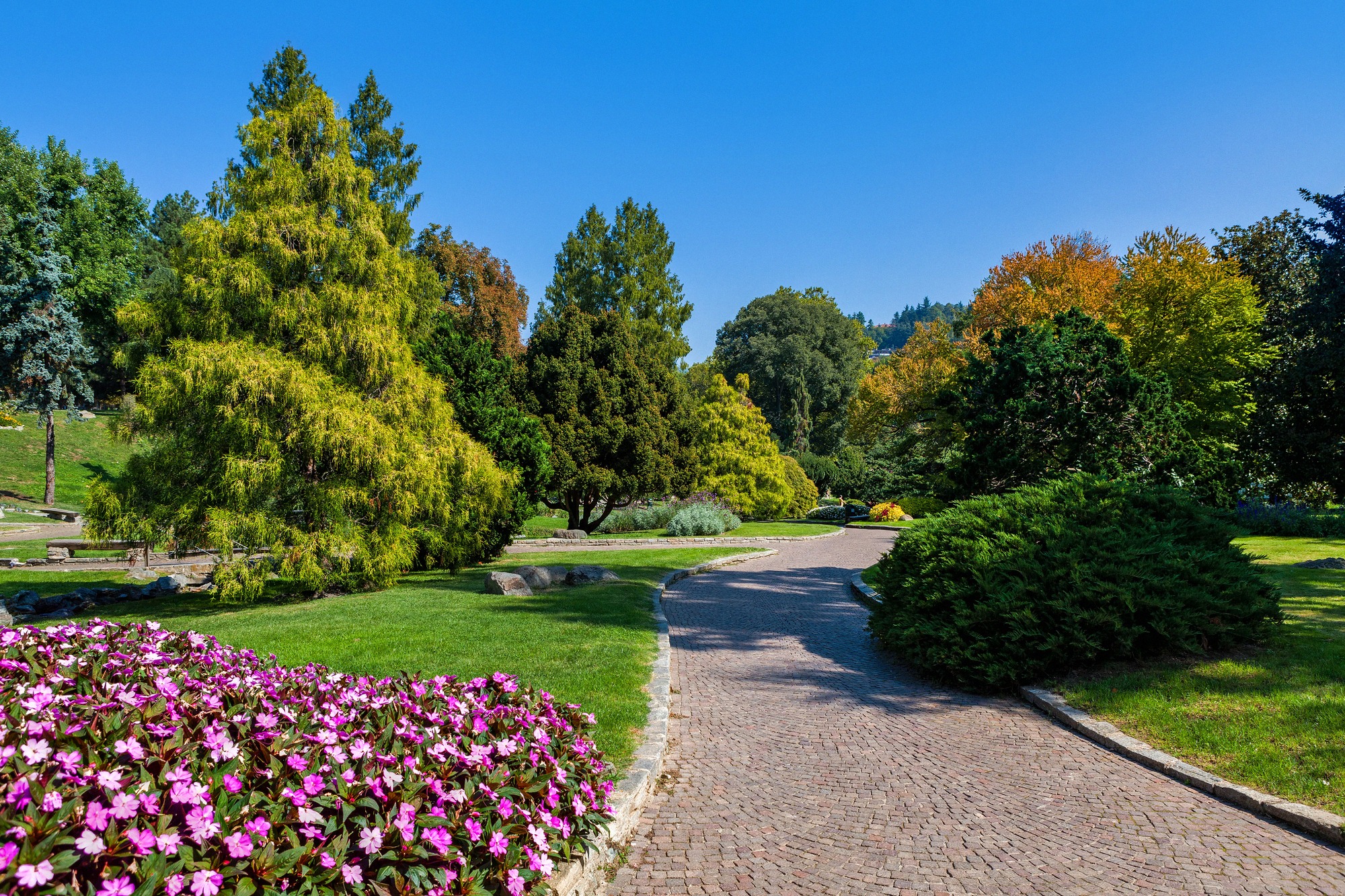
Turin's oldest city park, with the Borgo Medievale
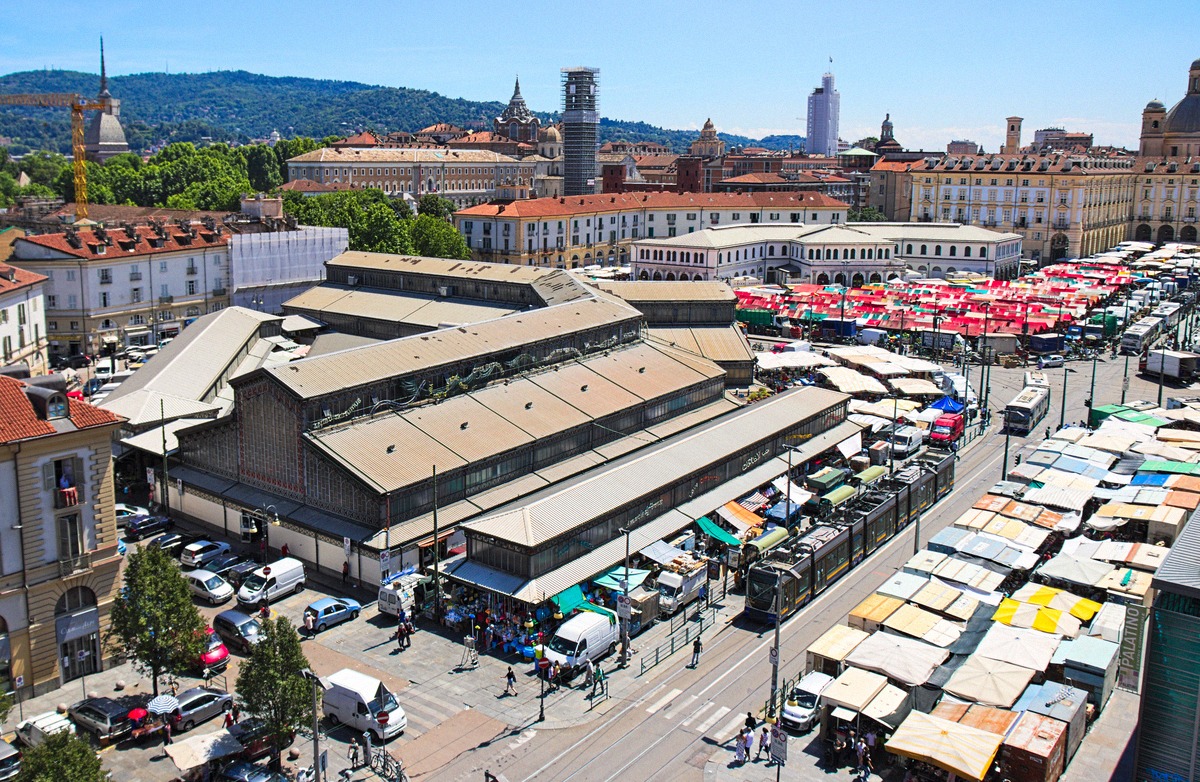
Europe's largest open-air market
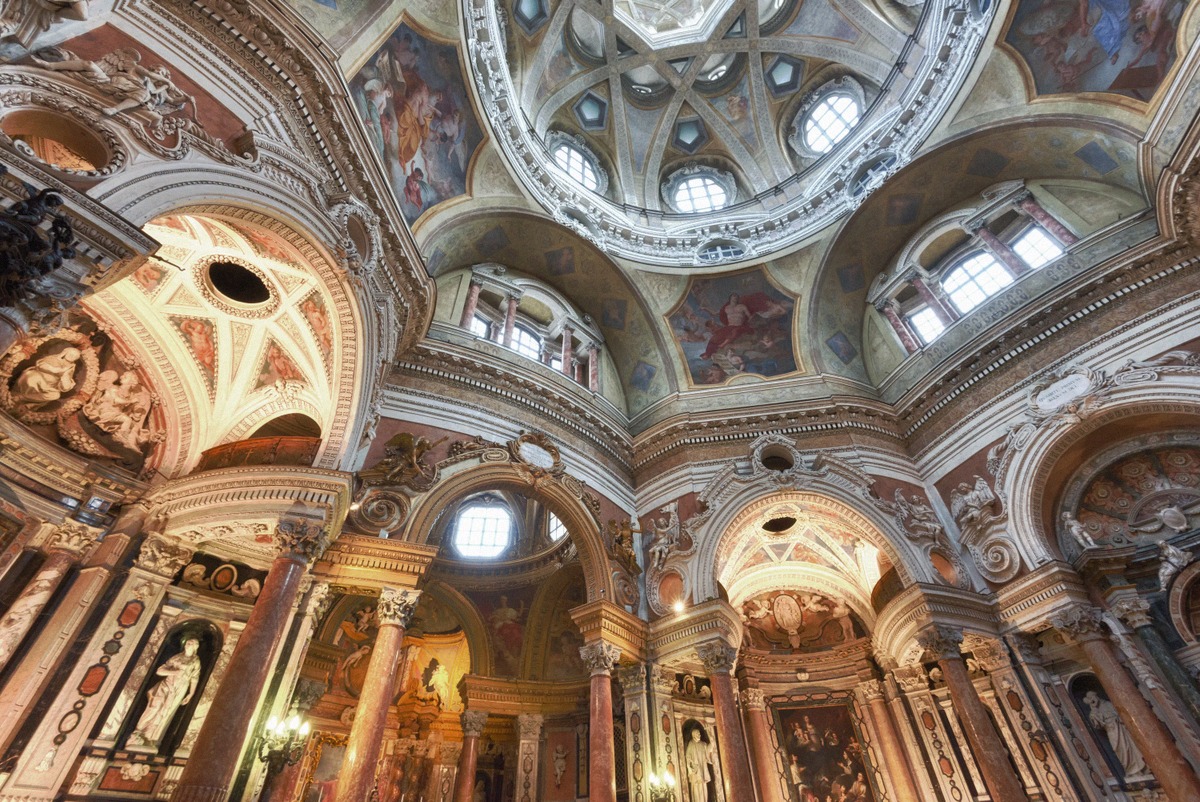
Baroque royal church on Piazza Castello
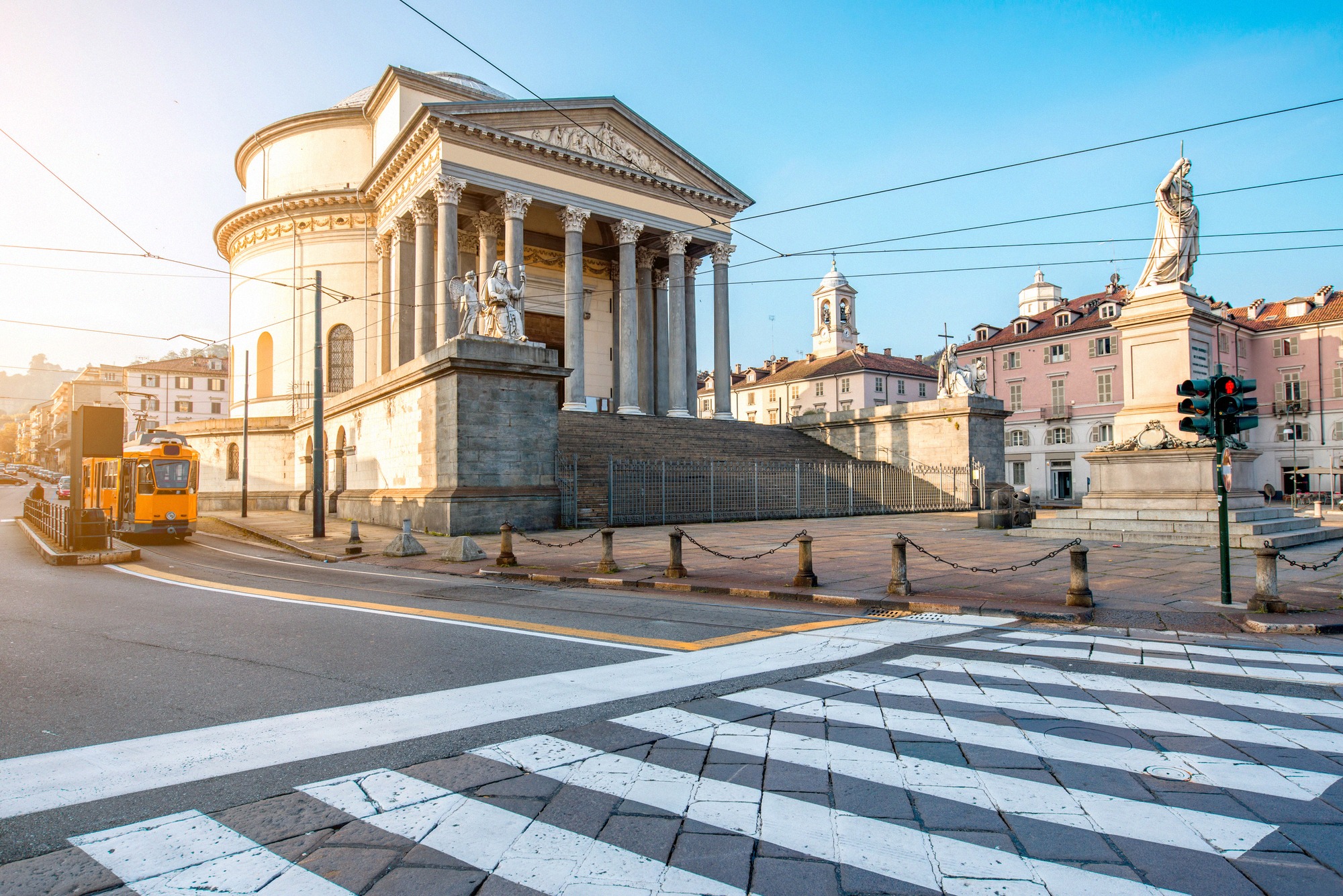
Neoclassical domed church on the Po
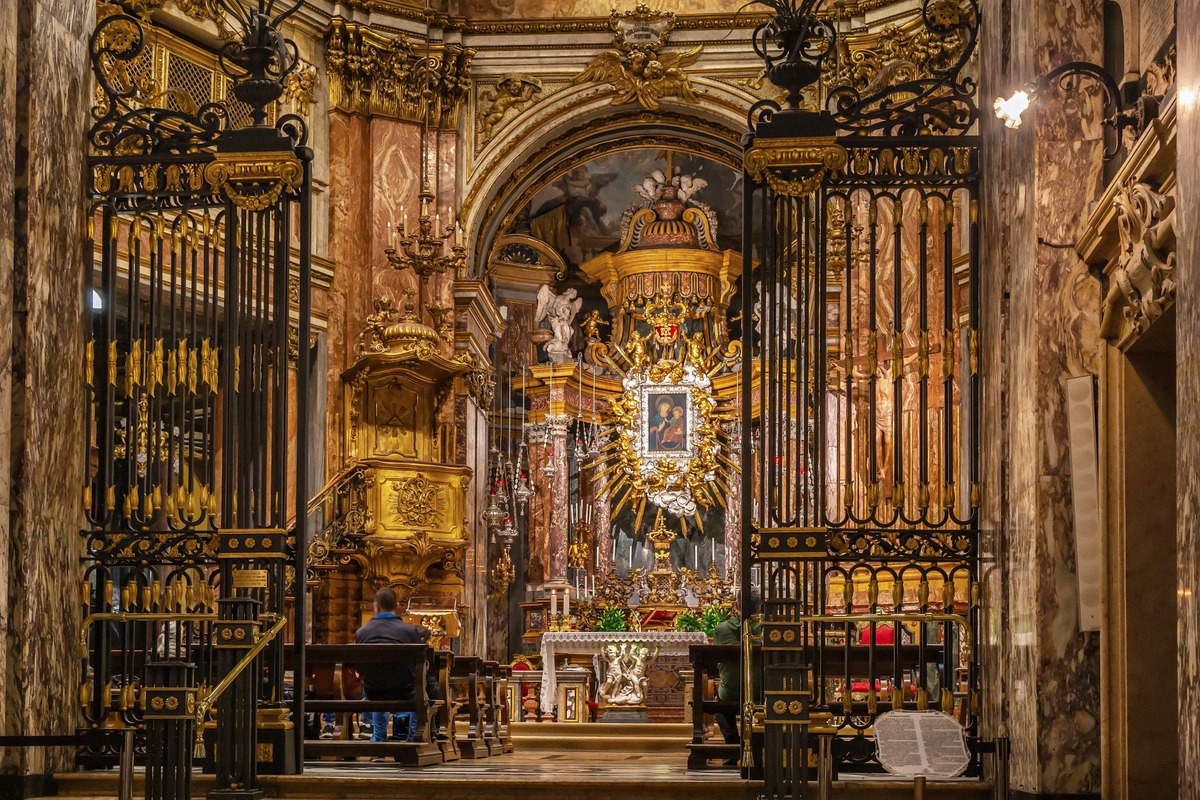
Baroque Marian shrine in the Quadrilatero Romano
No results found.
Turin wears its history as the Savoy dynasty's residence city openly in its streets: baroque palaces, kilometres of arcades, an iron landmark and a park on the Po. This overview places the 16 most important attractions in context, what's worth it, what's free and how to combine them sensibly. The three big museums among them are also covered together in the separate museums overview.
The unmistakable landmark is the Mole Antonelliana: 167 metres tall, with the National Cinema Museum inside and a glass panoramic lift that glides through the open interior to the viewing terrace at 85 metres in under a minute. The lift alone costs €9, the museum €18, the combined ticket €23, both are included with the Torino+Piemonte Card. It's closed on Tuesdays.
The stately heart of the city is Piazza Castello, home to two royal residences. The Palazzo Reale with the Musei Reali (full price €15, ages 18-25 €2, under 18 free) brings together state rooms, the armoury, the Galleria Sabauda and the Cappella della Sindone under a single day ticket; it's closed on Wednesdays. The Palazzo Madama with the Museo Civico d'Arte Antica costs €10 (concession €8), though the courtyard and Juvarra's grand staircase remain free to enter; here the closing day is Tuesday. A common misconception: Palazzo Madama and the cathedral are separate institutions and not part of the Musei Reali, there's no combined "Palazzo Reale + Palazzo Madama + Cathedral" ticket.
Three world-class institutions make Turin a genuine museum city: the Museo Egizio (€18, open daily, online time slot required), GAM for modern art (€10, closed Mondays) and the MAUTO automobile museum on the Po (€18). All three are covered in detail in the museums overview.
Outside the centre, two grand Savoy buildings each fill half a day. The Reggia di Venaria, a UNESCO World Heritage site with Juvarra's Galleria Grande and sprawling baroque gardens, lies around 10 kilometres north-west of the city and charges €25 for the full "All in a Palace" ticket (gardens only €6); it's closed on Mondays. You can get there by car in 20 to 25 minutes or on the Venaria Express shuttle (Tuesday to Sunday): a standard GTT ticket covers it on weekdays, while a €7 day ticket applies at weekends (€4 with the card). The Basilica di Superga sits at around 650 metres above the city with a royal crypt and Alpine views, the church and the Cappella del Voto are free, while the dome climb (€4) and royal crypt (€6) cost extra. The most atmospheric way to arrive is the historic rack railway from Sassi (3.1 kilometres, around 16 minutes), which starts its 2026 season on 3 April and doesn't run on Wednesdays; at weekends and on public holidays it runs on an extended schedule from 9:00 to 20:00 instead of 10:00 to 18:00.
Eight of the 16 sights charge no admission at all. Turin Cathedral is free to enter; in the left aisle, the Shroud display case can be viewed free of charge (the original is shown only during rare public expositions, none of which is announced for 2026). Piazza San Carlo, the city's "drawing room", is free along with its two twin churches, as is Piazza Castello as a public square. Under the arcades of Piazza San Carlo sit two of the city's historic cafés, Caffè San Carlo and the Caffè Torino, which opened in 1903, a bicerin costs around €3.60 at the bar or €7 to €7.50 seated (more in the guide to historic cafés and aperitivo). At the Porta Palazzo market you only pay for what you buy, and Parco del Valentino on the Po is open free of charge year-round. The Borgo Medievale and the Rocca within the park remain closed for restoration for now (no confirmed reopening date), and the Botanical Garden only opens at weekends and on public holidays (late March to mid-November, €7). Each spring, the FLOR garden show also turns Viale Mattioli in the park into a free flower market for a weekend, the 2026 edition took place in late May.
Turin's churches are another low-cost way to explore the city: the Real Chiesa di San Lorenzo with Guarini's star-shaped dome and a scale copy of the Shroud, the Santuario della Consolata and the Gran Madre di Dio on the Po are all active churches and free to enter. Important to know: you can't reach the real Cappella della Sindone via the cathedral, access is only through the Musei Reali (€15). Seven houses, on the other hand, do require a ticket, the Mole, Museo Egizio, Musei Reali, Palazzo Madama, GAM, Venaria and MAUTO; the Basilica di Superga sits in between as the hybrid case.
The historic centre is easily manageable in a single day, a morning at the Museo Egizio (an online ticket is required; allow 2 to 2.5 hours and book an early slot ahead of the tour groups), then a coffee break on Piazza San Carlo, Piazza Castello with the Palazzo Reale and its Shroud chapel, the free cathedral, and the Mole at sunset. Venaria and Superga each deserve their own half-day to full day because of the journey out, and fit better into a two- or three-day plan, for example Venaria in the morning or Superga by rack railway in the afternoon, plus a walk in Parco del Valentino; further destinations outside the centre are gathered in the guide to day trips from Turin. Watch out for closing days: GAM and Venaria close on Mondays (the Venaria Express shuttle also pauses), the Mole and Palazzo Madama on Tuesdays, and the Musei Reali and the Superga railway on Wednesdays; only the Egizio is open daily. If you're combining several houses, check the Torino+Piemonte Card (24h €29.90, 48h €39.90, 72h €45.90, 120h €52.90, the 24-hour card covers a maximum of three museums, the longer passes are unlimited): it covers the Egizio, Musei Reali, the Cinema Museum with its lift, and Venaria among others, and pays off from around two or three pricier museums. For GAM, MAO and Palazzo Madama, the multi-museum combined ticket for €18, valid for a year, is the alternative.