
Turin Cathedral
Renaissance cathedral home to the Shroud
Turin Cathedral, the Cattedrale di San Giovanni Battista, is the city's only Renaissance church and home of the Holy Shroud. Free admission.
Contents
Turin's principal church
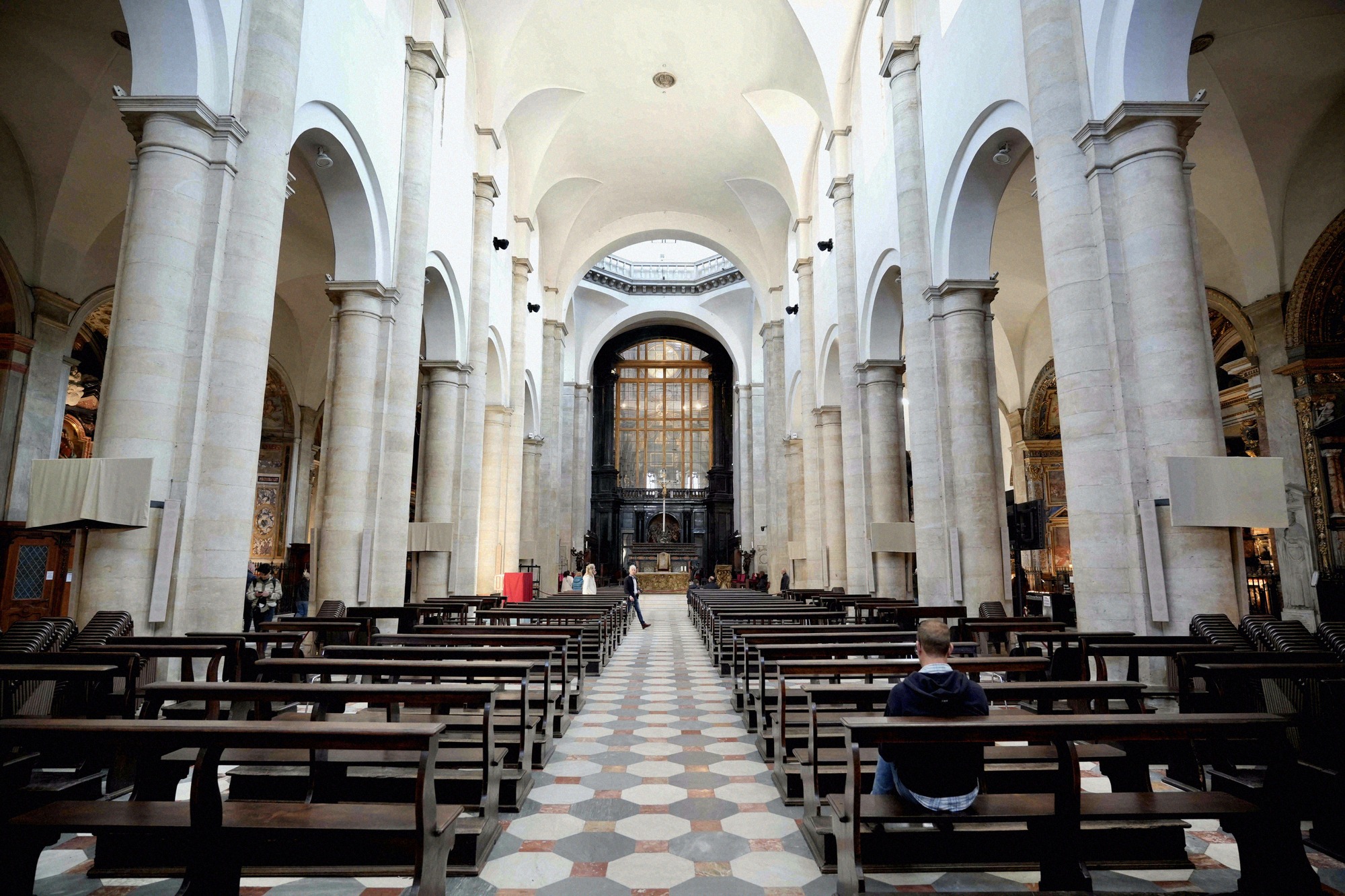
The Cattedrale di San Giovanni Battista, known to locals simply as "il Duomo", is the only church in the city built in the Renaissance style and its most important cathedral. It was built between 1491 and 1498; the freestanding bell tower next to it is even older. Directly to the north lies Piazza Castello, and immediately beside the cathedral stand the remains of the Roman theatre and the city gate Porta Palatina, here Turin's ancient past as the Roman colony Augusta Taurinorum is tangible.
The Holy Shroud (Sacra Sindone)
The cathedral is famous above all for the Turin Shroud (Italian Sacra Sindone), the linen cloth traditionally said to have wrapped the body of Christ and bearing the faint imprint of a man. It rests in a climate-controlled conservation case in the left aisle and can be viewed without booking during opening hours. The original itself, though, is publicly unrolled only at rare, pre-announced expositions, no firm date for the next one has been officially set, and such events have historically been decades apart. Visitors therefore see the protected case and panels on the cloth's still-disputed history, not the unfolded linen itself.
The Cappella della Sindone
The actual Shroud Chapel (Cappella della Sindone) by Guarino Guarini adjoins the cathedral above the choir and connects it to the Palazzo Reale. Its boldly engineered, upward-tapering dome of stacked, interlocking arches is regarded as a high point of Italian Baroque architecture. After a long restoration the chapel reopened to visitors in 2018. Worth knowing: it is not reached from the cathedral, but only via the Musei Reali, as part of the route through the state rooms of the Palazzo Reale. Admission is included in the standard museum ticket.
What to expect
- Inside the cathedral: the plain Renaissance nave, the Shroud display case in the left aisle, and panels on the history of the Sindone
- Outside: the bell tower, the Roman theatre and the Porta Palatina, a short walk through ancient Turin
- In the Cappella della Sindone (via the Musei Reali): Guarini's celebrated Baroque dome and the connection through to the state rooms of the Royal Palace
Allow 30 to 45 minutes for the cathedral alone. If you're also taking in the chapel and the Musei Reali, plan on two to three hours.
Visiting and practicalities
Admission to the cathedral is free and needs no booking. It is open Monday to Friday from 10:00 to 12:30 and 16:00 to 19:00, Saturdays 9:00 to 13:00 and 15:00 to 19:00, and Sundays from 8:00 (address: Via XX Settembre 87). As in any church, dress appropriately, and visits are restricted during services. It is quietest on weekdays right after opening at 10:00.
The separate Cappella della Sindone is reached via the Musei Reali (Thursday to Tuesday 9:00-19:00, closed Wednesdays, ticket office until 18:00). Full admission costs €15, reduced €2 for ages 18-25, and free under 18.
The cathedral and Musei Reali lie a few steps north of Piazza Castello. From Porta Nuova station, take lines 4 and 11; from Porta Susa, lines 56 and 13 or 51 and 57 (stops Garibaldi or Duomo-Musei Reali). The visit pairs well with Palazzo Reale and Palazzo Madama; the Musei Reali are usually included with the Torino+Piemonte Card.
Frequently asked questions
Can you see the Turin Shroud? +
How much does it cost to enter the cathedral? +
How do you get to the Cappella della Sindone (Shroud Chapel)? +
Nearby
Palazzo Reale
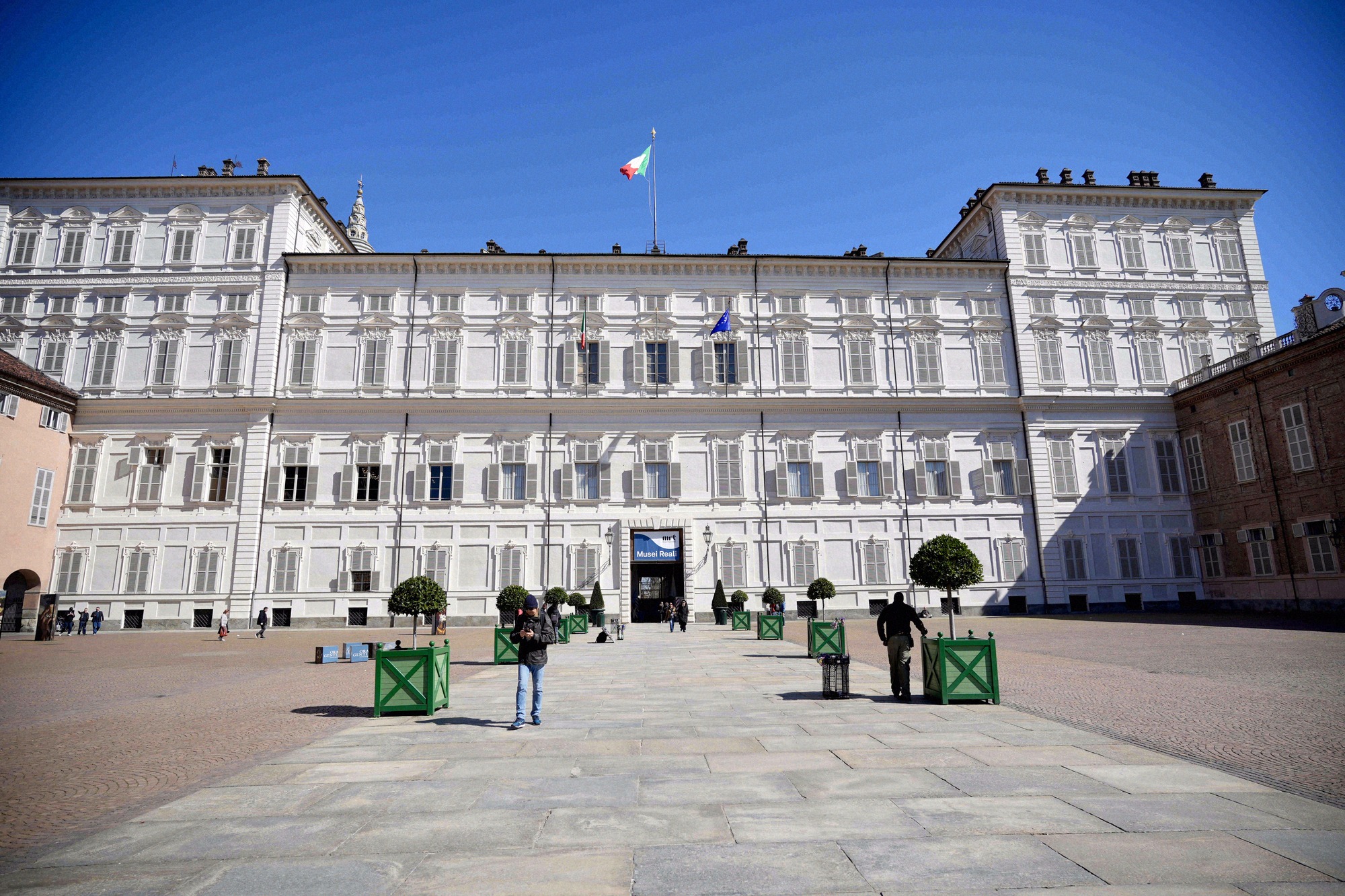
The Savoy royal palace and heart of the Musei Reali, state rooms, the Royal Armoury, Galleria Sabauda, library and Guarini's Shroud Chapel.
San Lorenzo
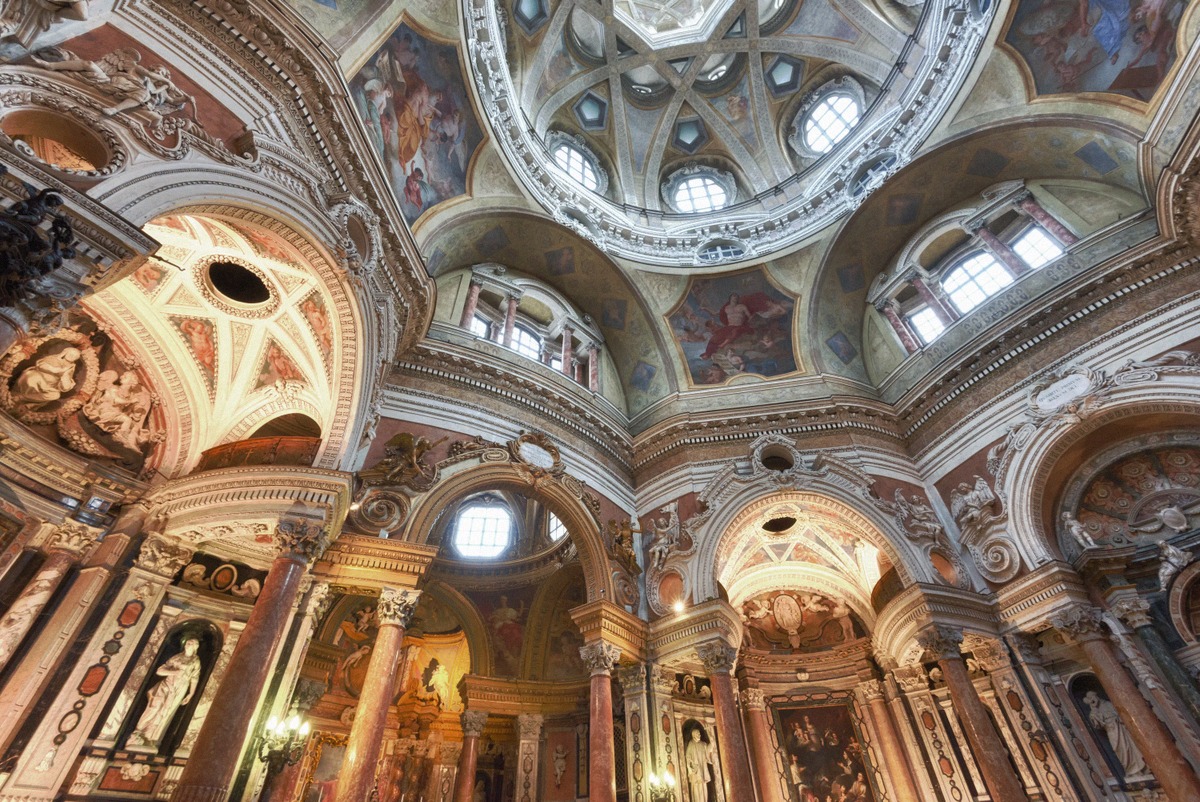
The Real Chiesa di San Lorenzo was the Savoy court church - Guarino Guarini's baroque masterpiece with a star-shaped ribbed dome of eight crossing arches.
Piazza Castello
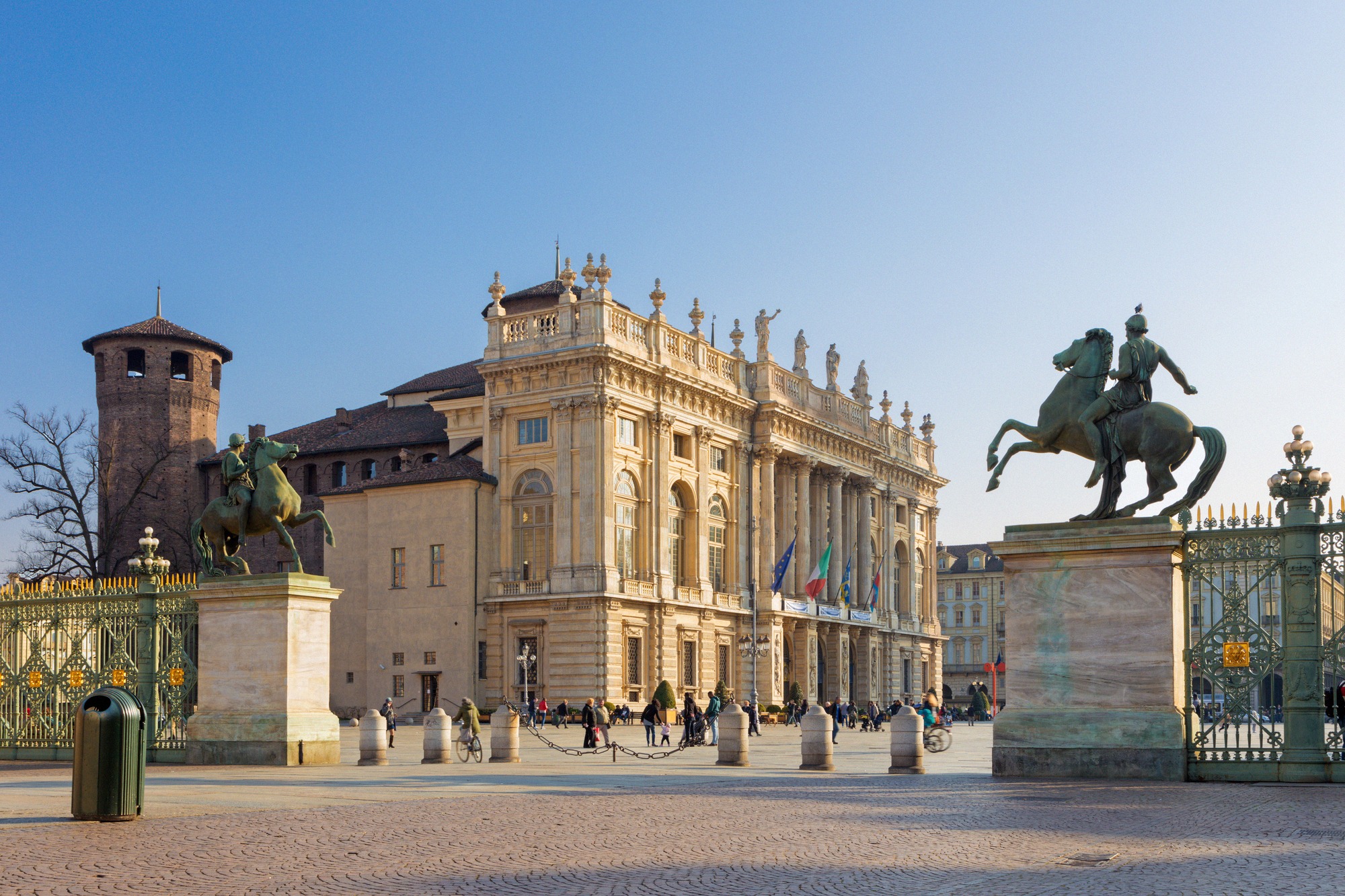
Turin's monumental main square, home to Palazzo Reale, Palazzo Madama, Teatro Regio and San Lorenzo. Free to visit and the ideal starting point.
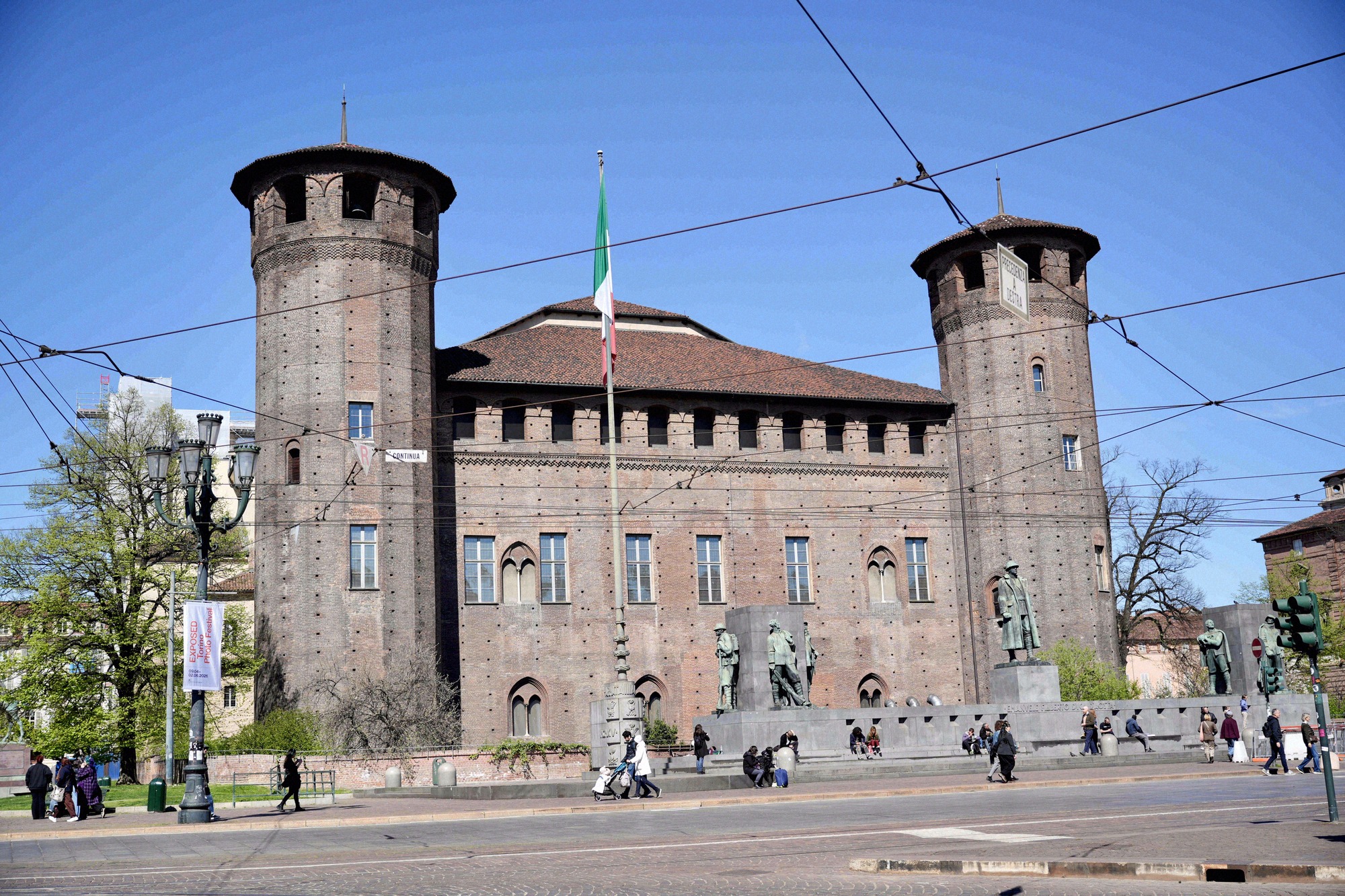
Palazzo Madama
From a Roman gate through a medieval castle to Juvarra's Baroque facade - Palazzo Madama on Piazza Castello houses Turin's museum of ancient art.
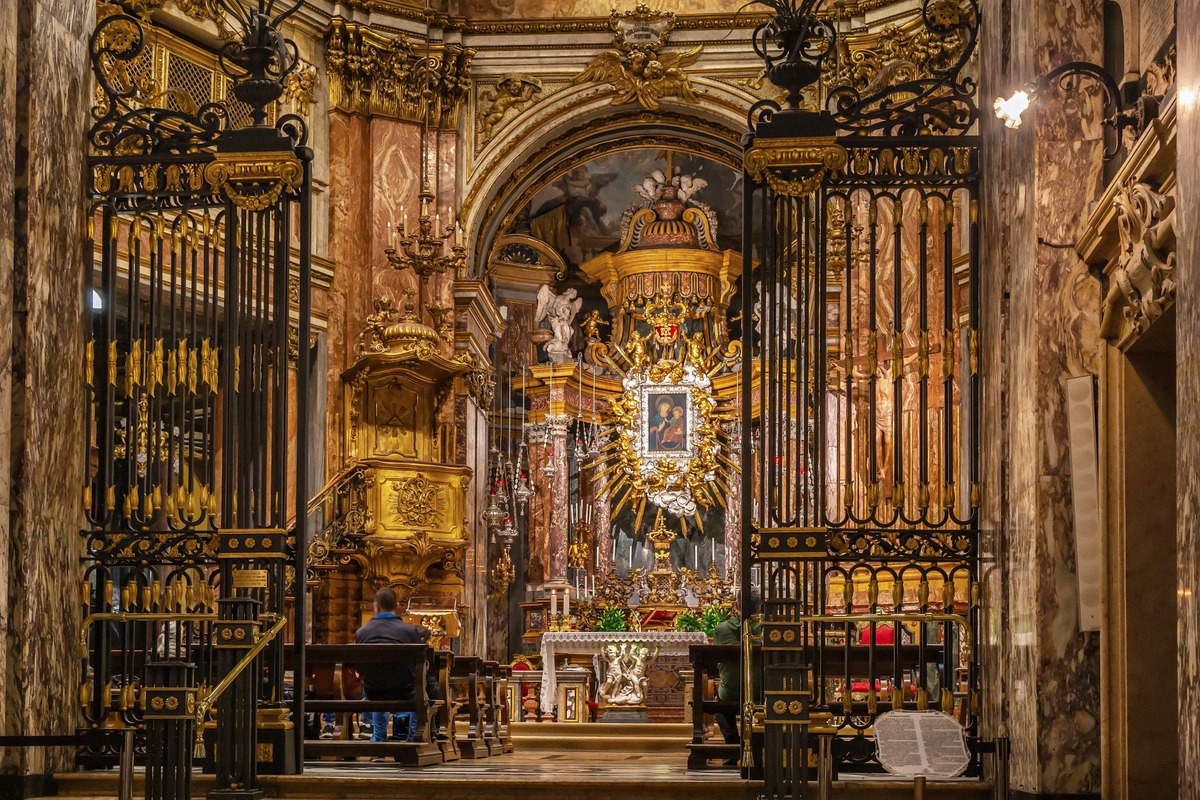
Santuario della Consolata
The Santuario della Consolata is Turin's foremost shrine, a Baroque masterpiece by Guarini and Juvarra built around the icon of the city's patron saint.
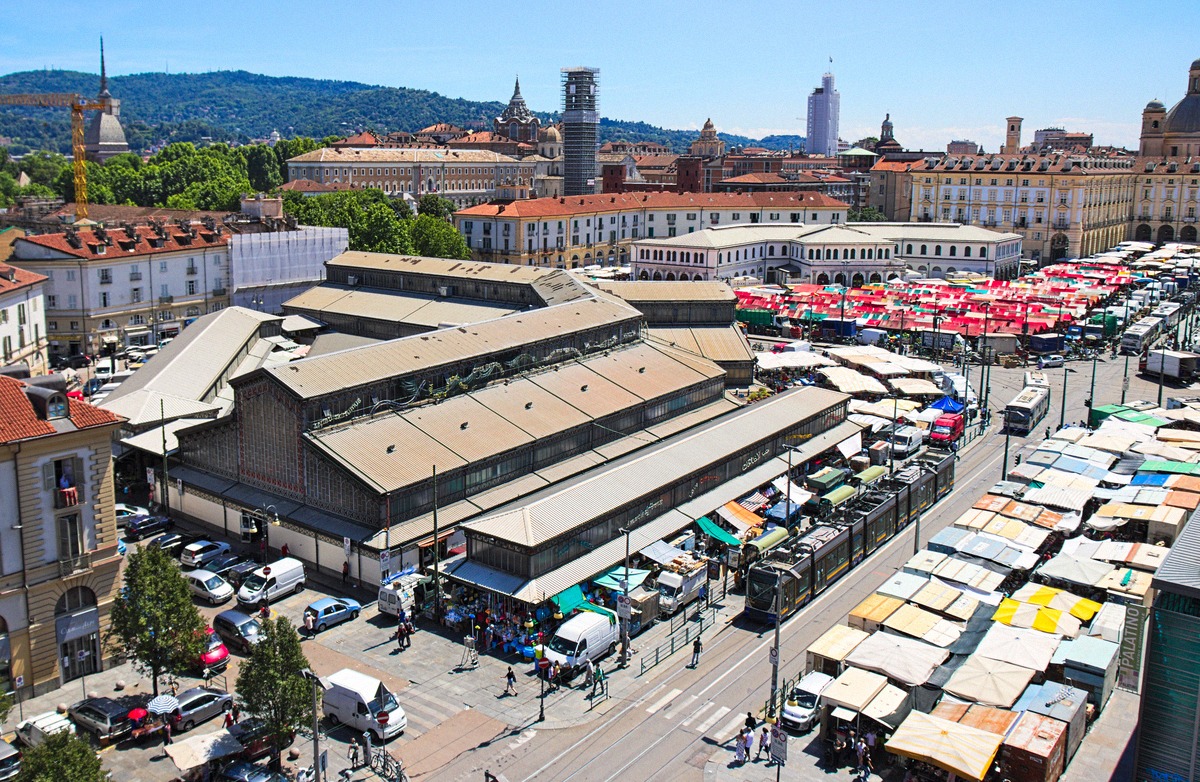
Mercato di Porta Palazzo
Europe's largest open-air market on Piazza della Repubblica - fruit, cheese, fish, spices and Turin's multicultural everyday life at hundreds of stalls.