
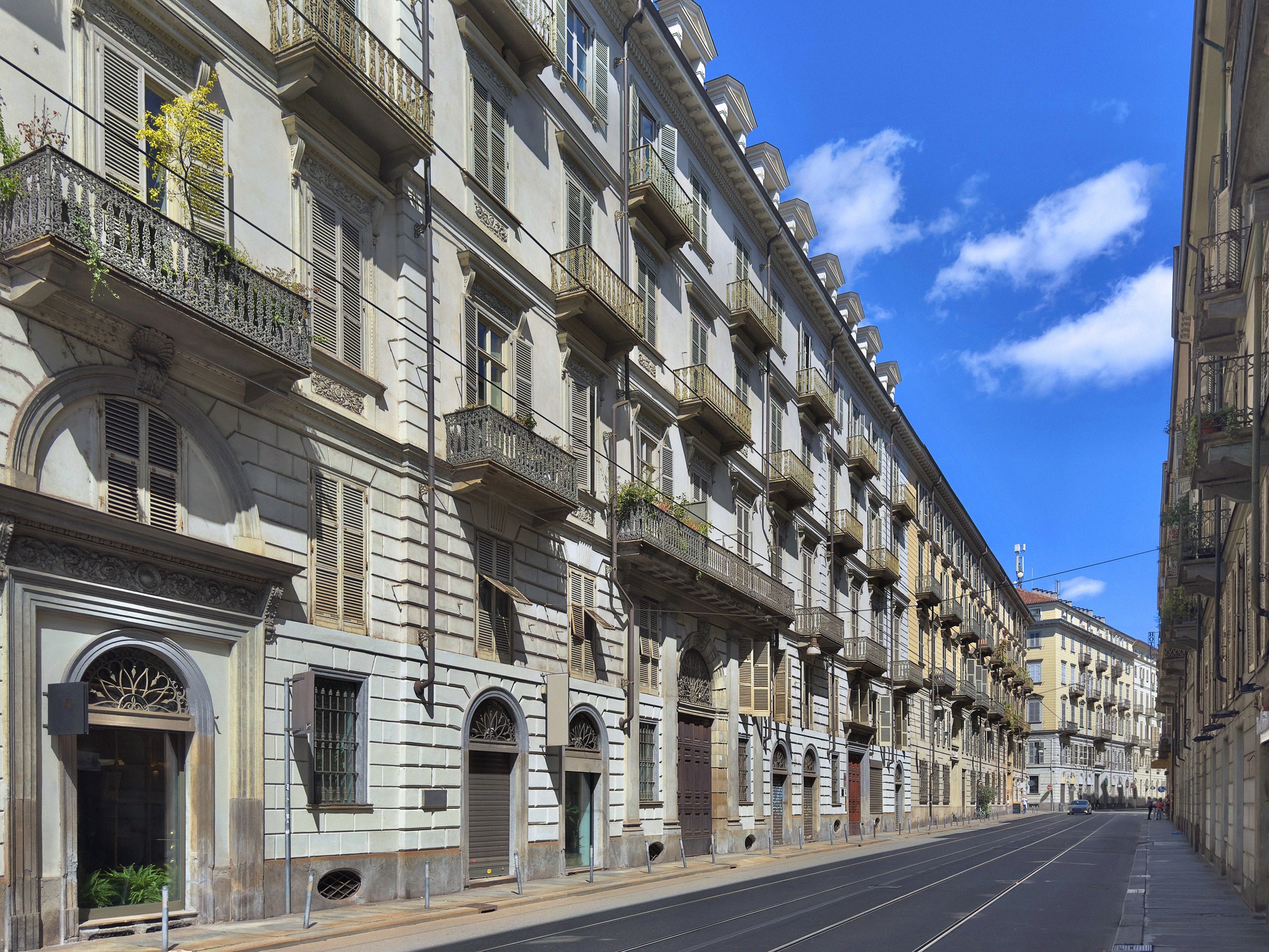
Centro Storico
Royal centre around Piazza Castello
Overview
Turin's neighbourhoods at a glance, from the regal Centro Storico to the aperitivo district of Quadrilatero, and the lively San Salvario and Vanchiglia.
Royal centre around Piazza Castello
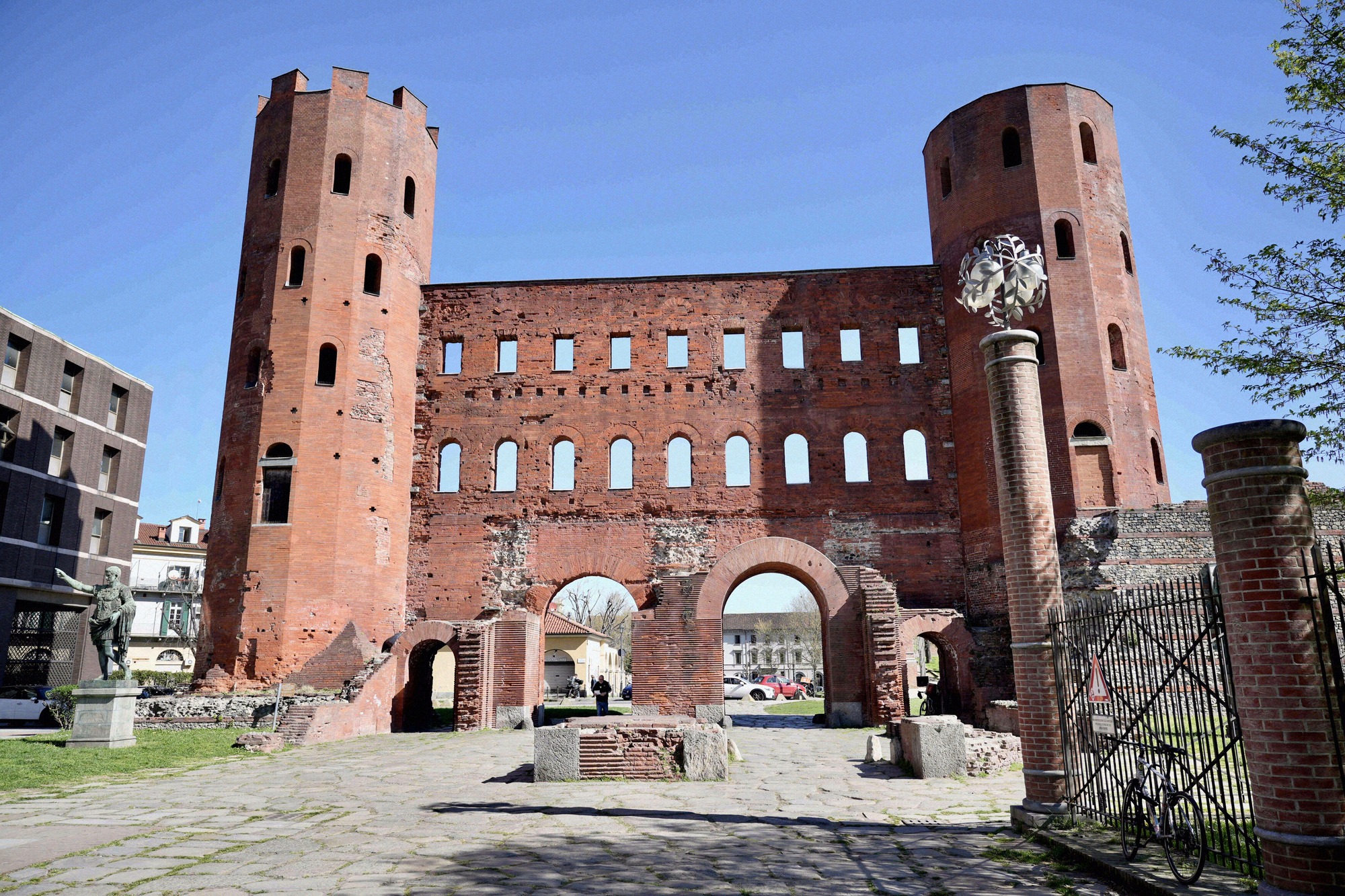
Turin's oldest quarter and the heart of aperitivo
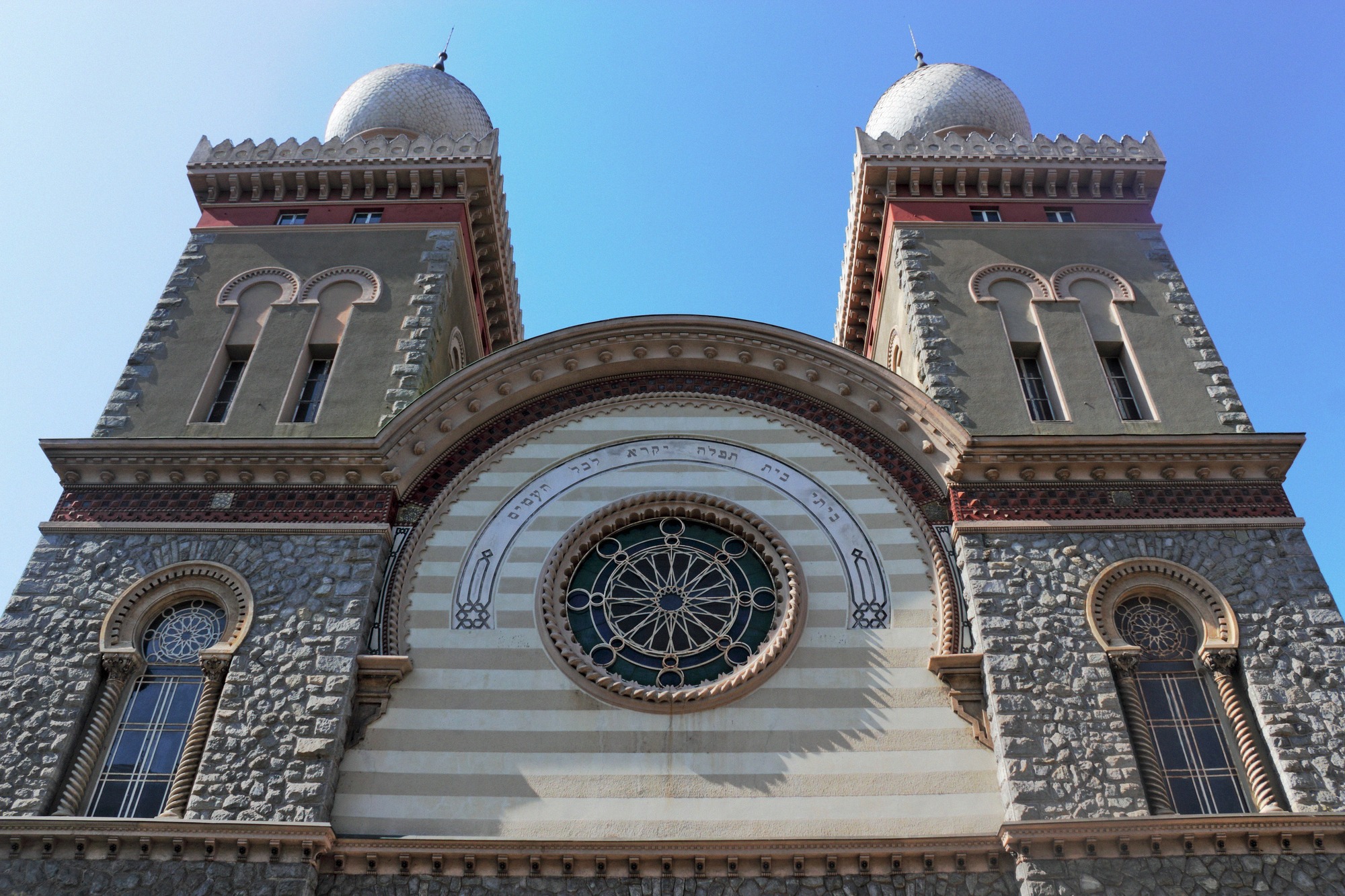
Turin's multicultural district by the Po
Turin's creative student quarter east of Via Po
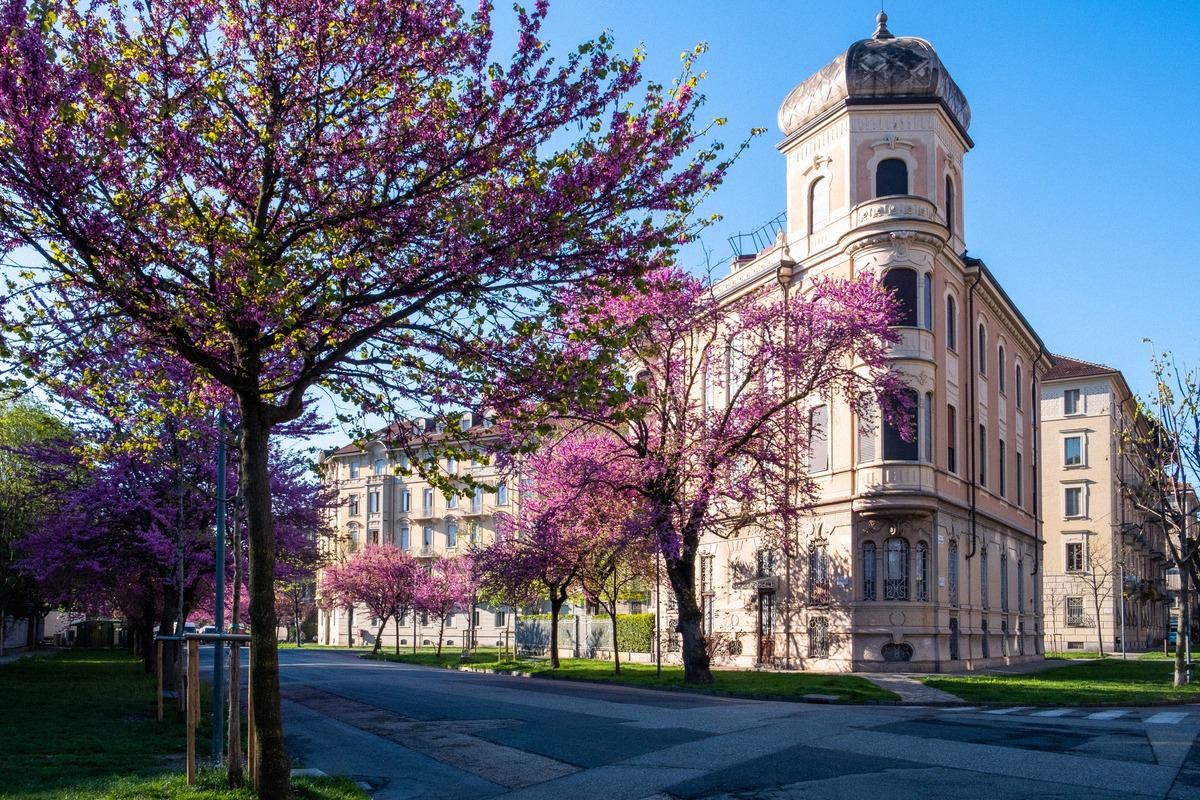
Elegant residential district with Art Nouveau villas
No results found.
Turin is best understood one neighbourhood at a time. The city of the House of Savoy is compact enough to explore largely on foot, yet every district has its own character, from the baroque grandeur of the historic core to a student-driven nightlife quarter. This overview introduces the five key neighbourhoods and helps you choose the right base for your stay.
In the Centro Storico around Piazza Castello, Turin's big names sit within a small area: the Palazzo Reale, the Palazzo Madama, the Museo Egizio, the cathedral with the Shroud and, a few steps further, the Mole Antonelliana. Wide avenues like Via Roma and around 18 kilometres of arcades make strolling a pleasure whatever the weather.
Directly to the north lies the Quadrilatero Romano, Turin's oldest quarter, laid out on the original Roman grid. By day it's quiet lanes with craft workshops and galleries; by early evening it becomes the social heart of the city, where the famous aperitivo is celebrated. To the north, the district borders the large Porta Palazzo market.
Behind the main train station, Porta Nuova, spreads San Salvario, the multicultural, youthful district with bars, restaurants and clubs. To the east it opens onto the Parco del Valentino on the banks of the Po. East of the centre lies Vanchiglia, the creative student quarter with independent cafés, street art and a relaxed nightlife scene, just a few minutes from the Mole. To the southwest is the elegant Crocetta, a refined Art Nouveau residential district with a well-known market and the modern GAM on its edge.
For most visitors, the Centro Storico is the ideal base: all the main sights are within walking distance, and you're quickly in the nightlife districts come evening. The trade-off is that it's the most expensive area to stay in. If you're after Turin's nightlife, the Quadrilatero or San Salvario are good choices, the latter also benefits from being close to the station. For something quieter and more refined, stay in Crocetta; for an alternative, student atmosphere, choose Vanchiglia. The upside, distances between neighbourhoods are short, so you can easily explore the whole city from whichever district you're based in.