
Piazza San Carlo
Elegant baroque square with twin churches
Turin's elegant baroque square on Via Roma, with twin churches, the Caval ëd Brôns equestrian monument and historic cafés under the arcades.
Contents
Turin's "Salon"
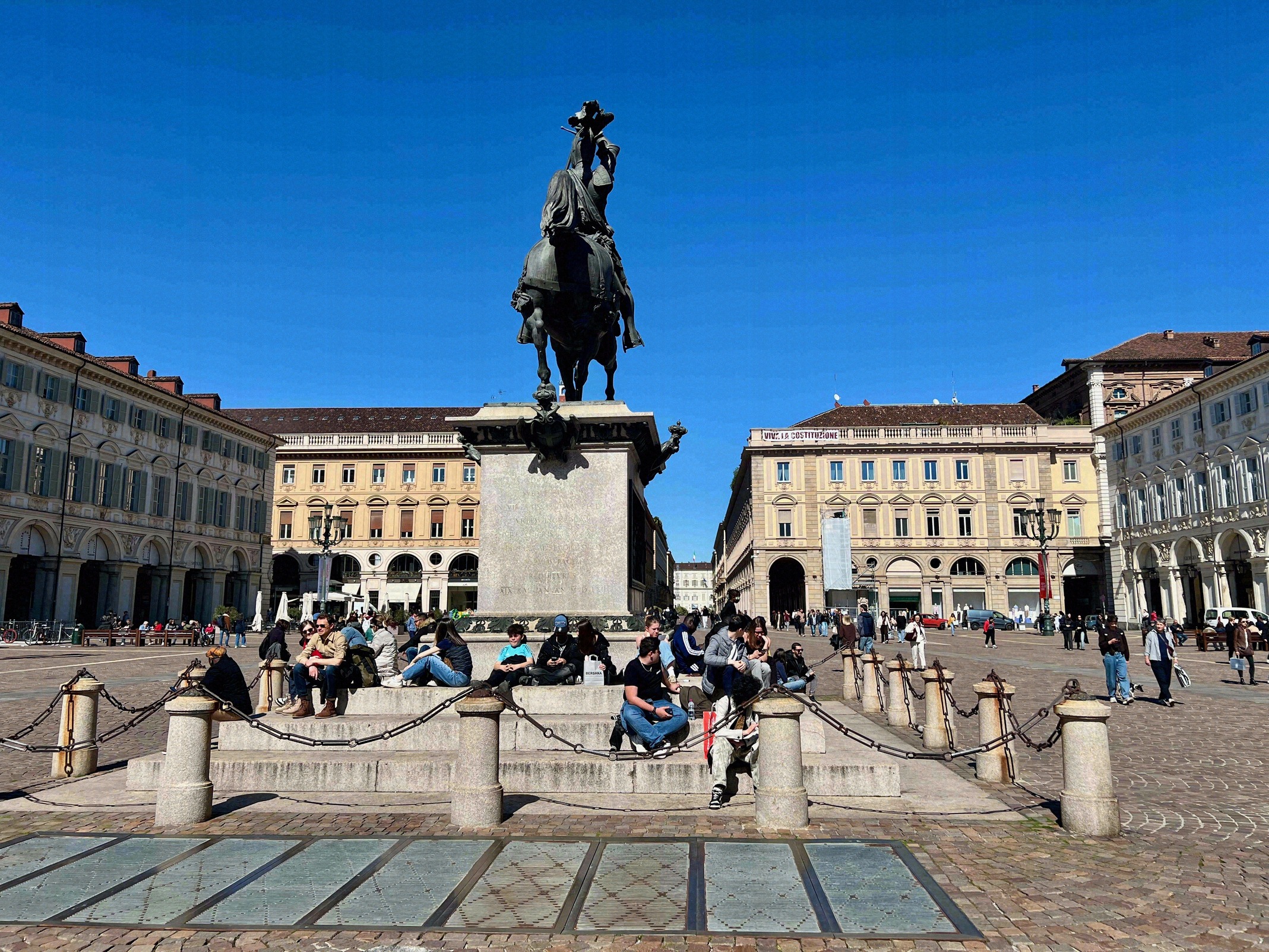
Piazza San Carlo is considered the most elegant square in the city and traditionally carries the nickname salotto di Torino - Turin's living room, or salon. It sits on the grand Via Roma, halfway between Porta Nuova railway station and Piazza Castello, making it almost impossible to miss on any walk through the city centre. Despite its size, the strictly symmetrical space, framed by arcades, feels remarkably intimate.
The square was laid out from 1637 to designs by architect Carlo di Castellamonte, commissioned by Madama Reale Maria Cristina of France. The model was the French places royales, the Parisian type of grand, uniformly built city square. The continuous arcaded façades with their paired columns still frame the square today as the stage for the city's southward expansion; it also served as a marketplace and ceremonial space.
The "Bronze Horse" at the Centre
In the centre of the square stands the equestrian statue of Emanuele Filiberto, which locals simply call Caval ëd Brôns ("bronze horse"), a popular meeting point and the visual anchor of the whole square. It was created by sculptor Carlo Marochetti (1805-1867); the statue was cast in Paris and unveiled in Turin on 4 November 1838.
The depiction is a deliberate choice: it shows the duke sheathing his sword after the victory at the Battle of Saint-Quentin (1557), the moment of peace after triumph. Two reliefs on the base commemorate Saint-Quentin and the Peace of Cateau-Cambrésis. Emanuele Filiberto of Savoy (1528-1580) moved the duchy's capital to Turin and is regarded as the founder of the city's rise; the monument celebrates him as both military commander and statesman.
The Twin Churches on the South Side
On the south side, the two baroque twin churches close off the square towards Via Roma, a deliberately symmetrical conclusion that gives the whole ensemble its theatrical flair.
- Santa Cristina was built from 1639 at the request of Maria Cristina of France. Its baroque façade was added in 1715-1718 to a design by Filippo Juvarra, the defining baroque architect of Turin.
- San Carlo Borromeo has a façade only added in the 19th century, designed by Ferdinando Caronesi. The church is an active parish church and can be visited free of charge.
Both are parish churches, freely accessible. From the outside they look like a matching pair; on closer inspection, façade rhythm and construction period, they differ considerably. A few minutes are enough for a quick look inside; sightseeing isn't possible during Mass.
The Historic Cafés under the Arcades
Under the arcades stand some of Turin's most famous historic cafés. One thing worth knowing: Caffè San Carlo and Caffè Torino are two separate establishments that are often confused.
- Caffè San Carlo, in the Palazzo Turinetti, was an intellectual salon of the Risorgimento in the 19th century - Cavour and d'Azeglio met here, later Giolitti and Einaudi. After a long closure it reopened in December 2022 under the Costardi Bros, with a café, bistro and the restaurant SCATTO; open daily from around 8:00 to 22:00.
- Caffè Torino (Piazza San Carlo 204), with its opulent, mirror-lined rooms, is open daily from 7:30 to 24:00.
This is the place to enjoy Turin's coffeehouse tradition, best over an espresso, a Bicerin, or an early-evening aperitivo. More in the guide Cafés & Aperitivo.
Visiting and Practical Info
The square is freely accessible and makes an ideal stop on the way along Via Roma, it combines well with Piazza Castello and the palaces on the main square for a longer walk. Piazza San Carlo lies in the pedestrianised Via Roma; it is just a few minutes' walk from Porta Nuova railway station.
Allow 30 to 45 minutes for the square, a look inside the churches and a coffee under the arcades. The most atmospheric time is early evening during aperitivo hour, when the tables fill up; for photos, come for the soft morning light or the blue hour, when the façades are lit up. Church opening hours may vary due to services, sightseeing isn't possible during Mass.
Frequently asked questions
Does visiting Piazza San Carlo cost anything? +
What is the story behind the "bronze horse"? +
Are Caffè San Carlo and Caffè Torino the same place? +
When is the best time to visit the square? +
Nearby
Egyptian Museum Turin
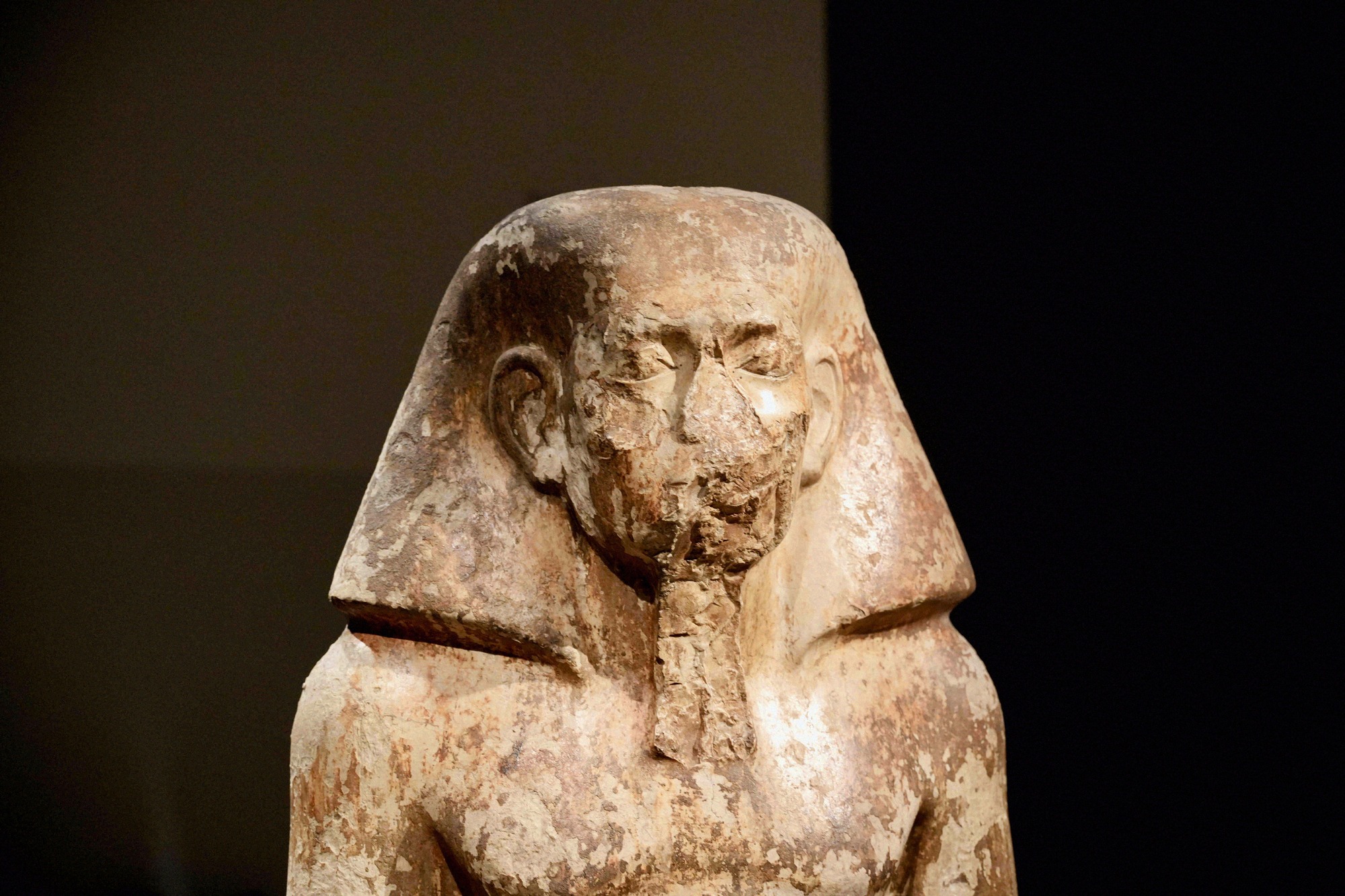
Turin's Egyptian Museum is the oldest in the world and, after Cairo, the most important, around 40,000 objects from 3,000 years of pharaonic culture.
San Lorenzo
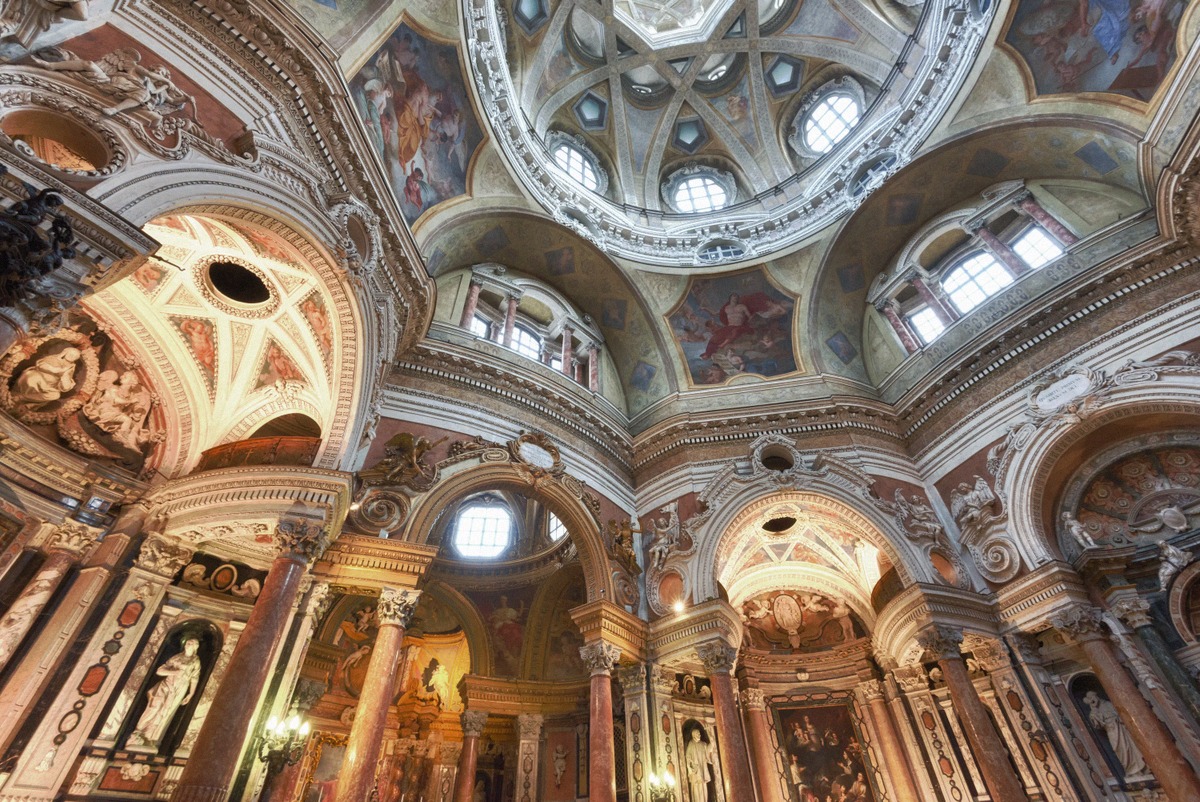
The Real Chiesa di San Lorenzo was the Savoy court church - Guarino Guarini's baroque masterpiece with a star-shaped ribbed dome of eight crossing arches.
Piazza Castello
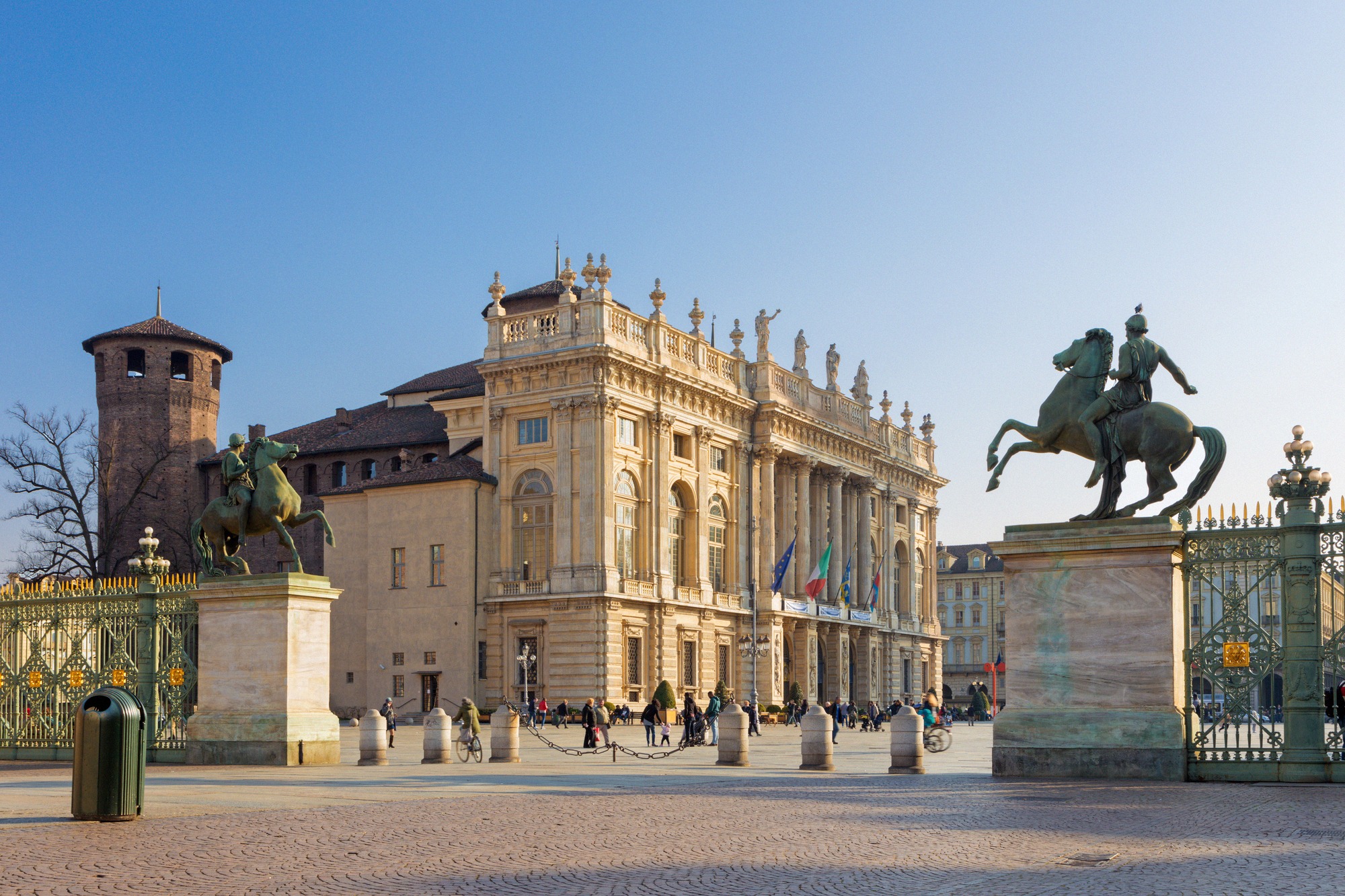
Turin's monumental main square, home to Palazzo Reale, Palazzo Madama, Teatro Regio and San Lorenzo. Free to visit and the ideal starting point.
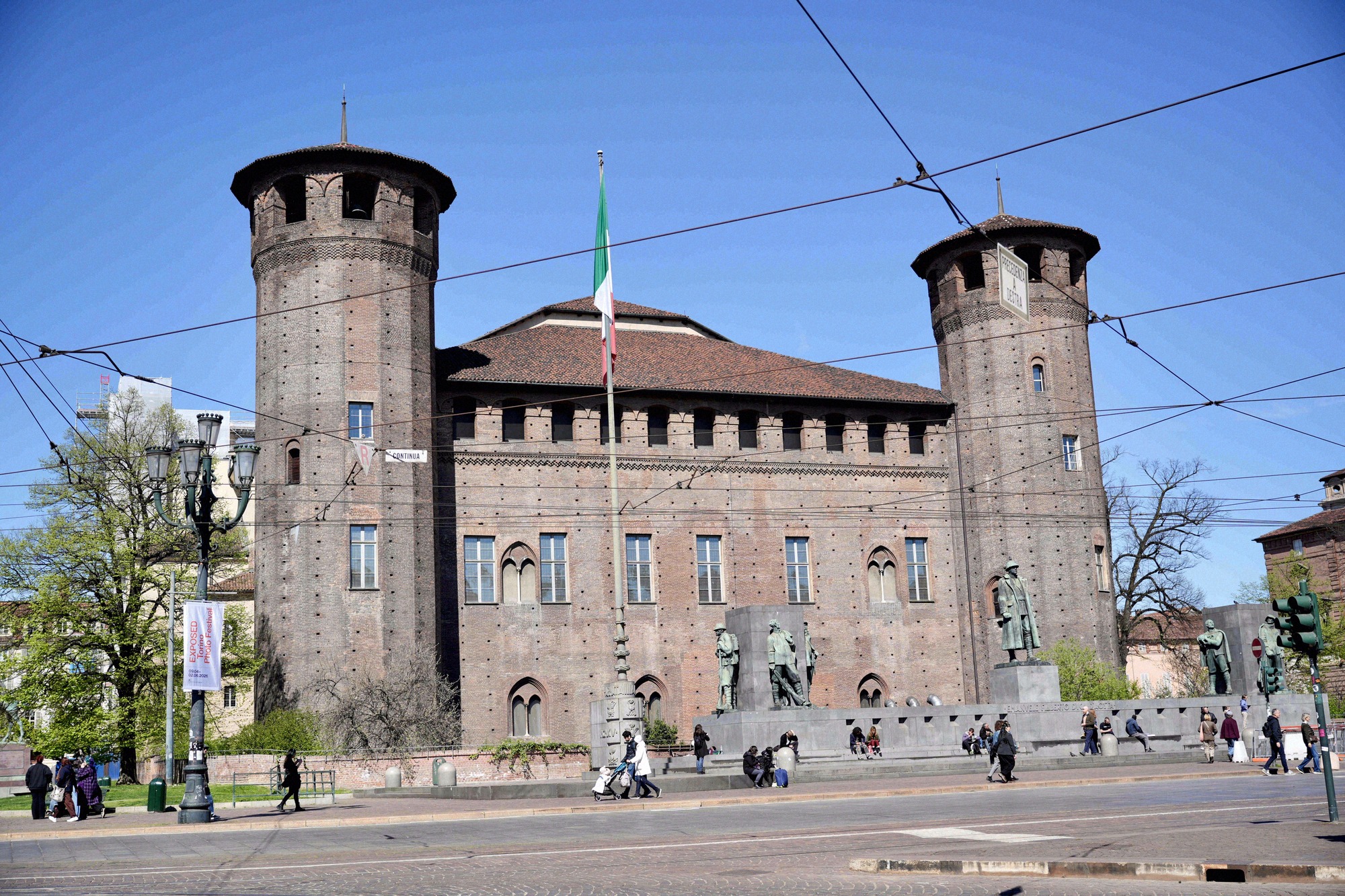
Palazzo Madama
From a Roman gate through a medieval castle to Juvarra's Baroque facade - Palazzo Madama on Piazza Castello houses Turin's museum of ancient art.
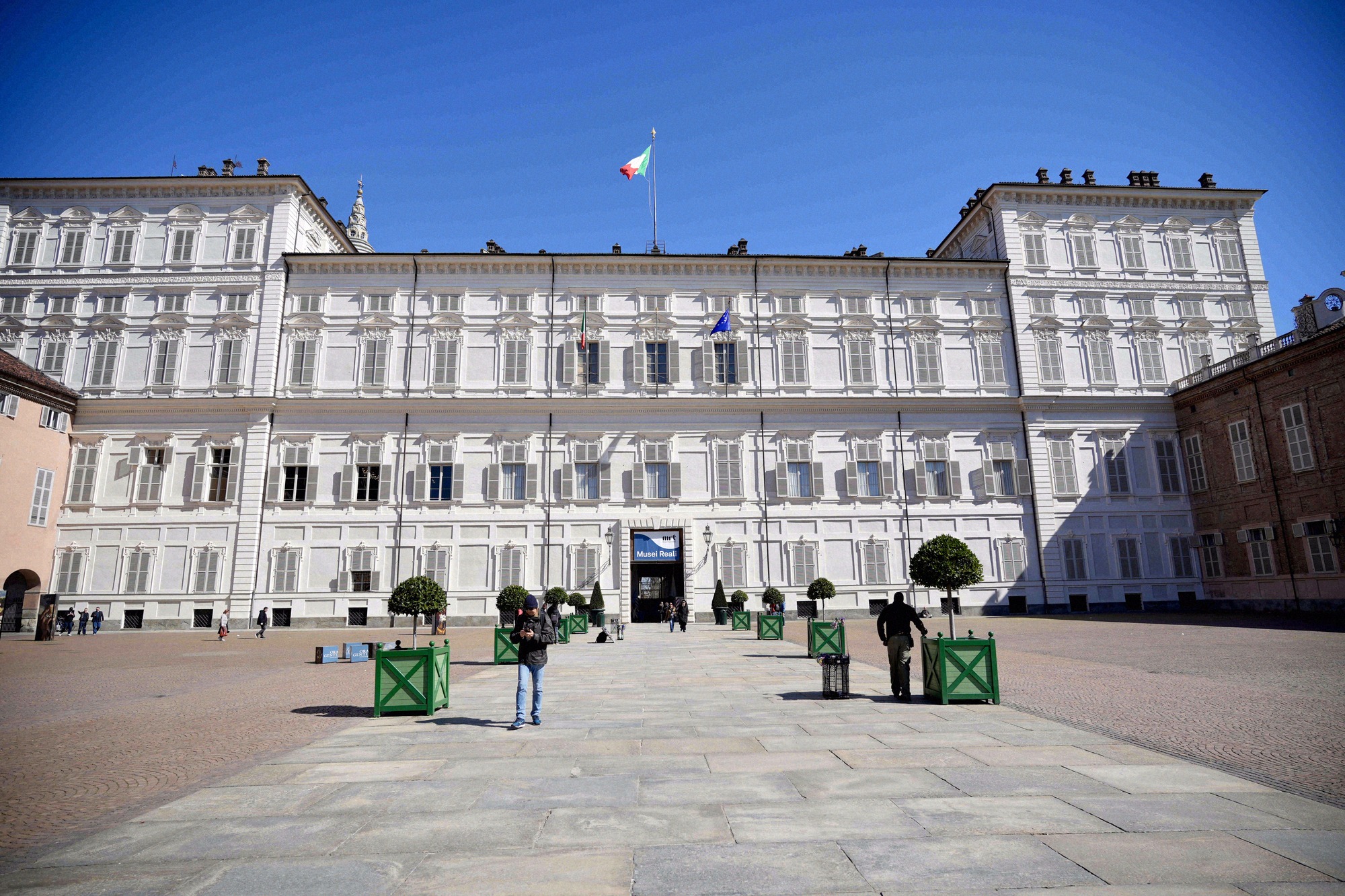
Palazzo Reale
The Savoy royal palace and heart of the Musei Reali, state rooms, the Royal Armoury, Galleria Sabauda, library and Guarini's Shroud Chapel.
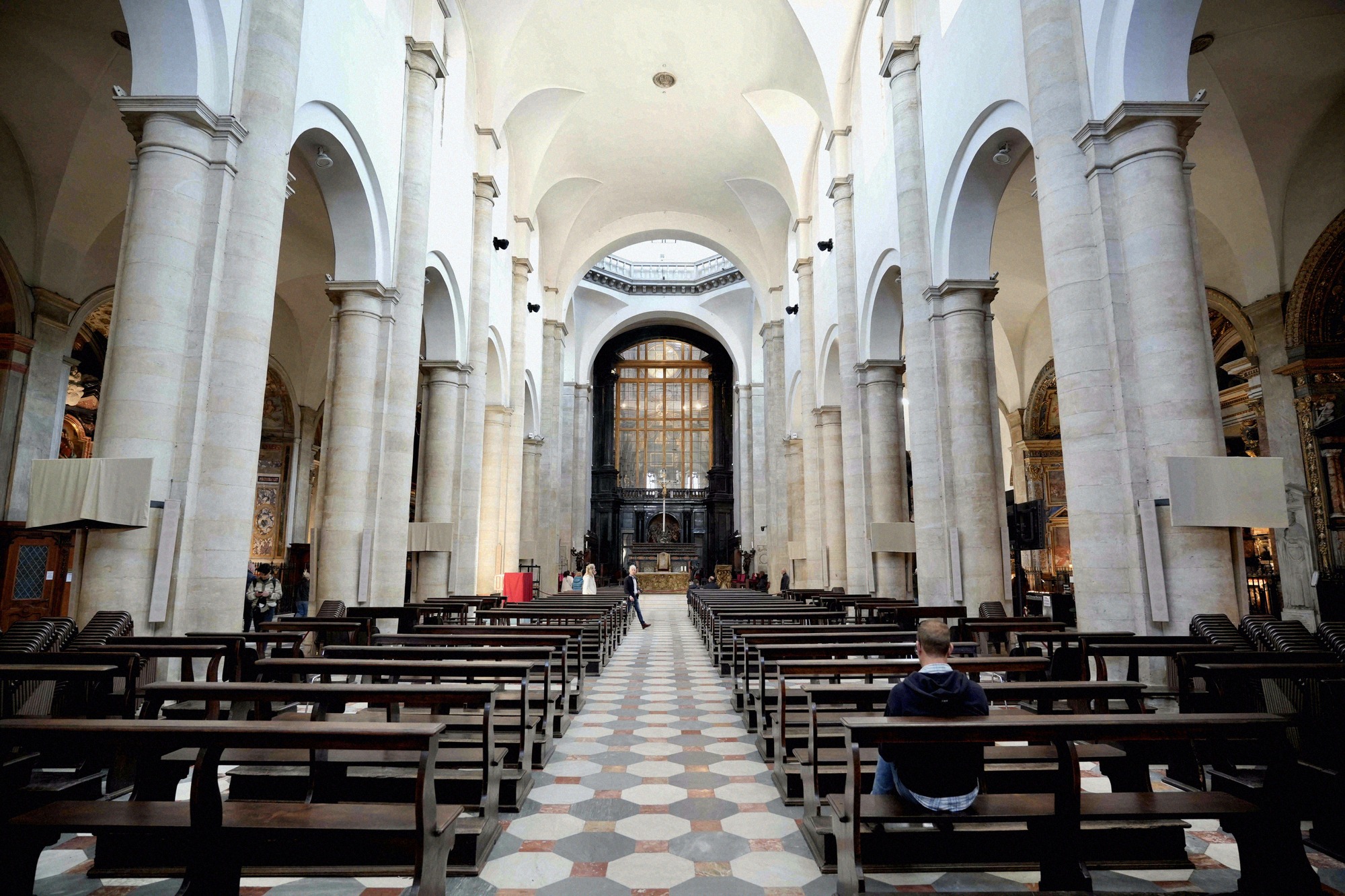
Turin Cathedral
Turin Cathedral, the Cattedrale di San Giovanni Battista, is the city's only Renaissance church and home of the Holy Shroud. Free admission.