
Santuario della Consolata
Baroque Marian shrine in the Quadrilatero Romano
The Santuario della Consolata is Turin's foremost shrine, a Baroque masterpiece by Guarini and Juvarra built around the icon of the city's patron saint.
Contents
Turin's Marian shrine
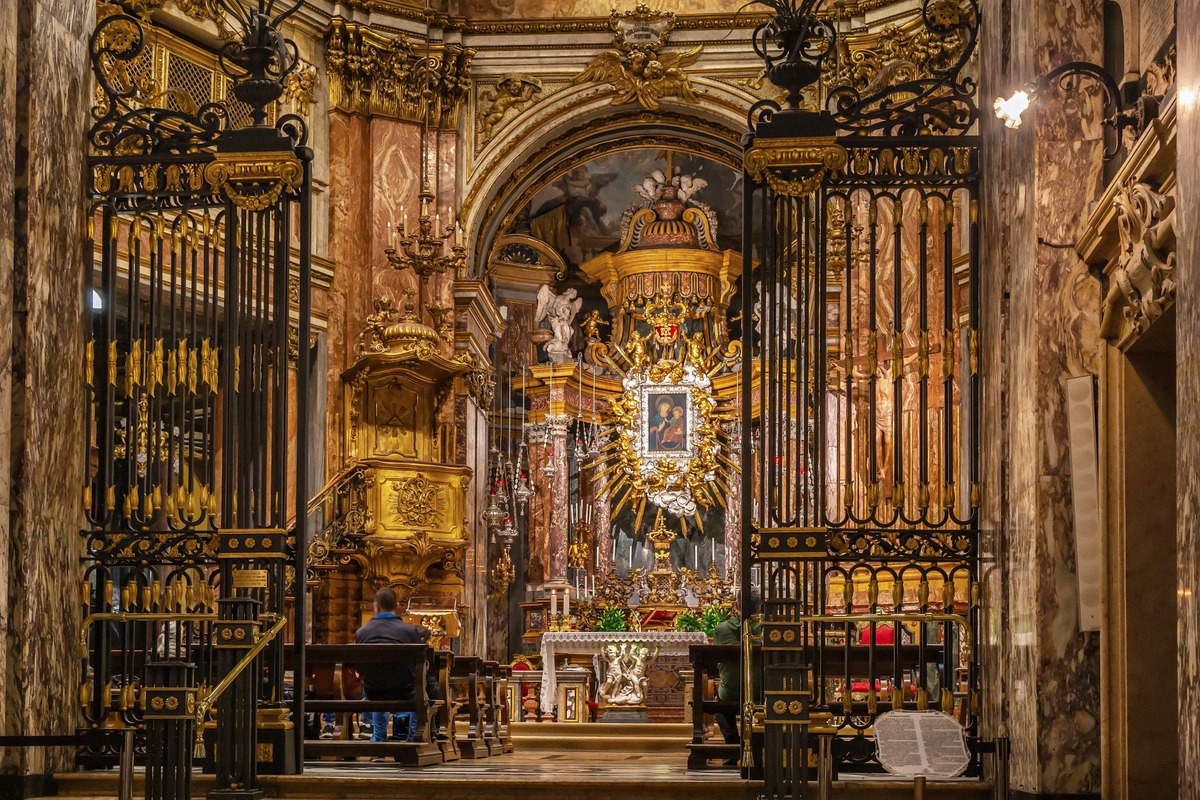
The Santuario della Consolata is Turin's most important Marian church and a place of pilgrimage that remains very much in active use today. It venerates the Madonna della Consolata, the city's patron saint, the miraculous icon gives the church its name and makes it the spiritual centre of Catholic Turin. Unlike Turin Cathedral with its Shroud, most visitors come here not for a relic but for the space itself: a Baroque masterpiece that grew over centuries.
The church sits in the Quadrilatero Romano, Turin's oldest district with its Roman street grid, and is only a few minutes' walk from there. The freestanding Romanesque bell tower survives from the medieval predecessor church of Sant'Andrea and is the oldest visible part of the complex.
Guarini, Juvarra and a building that grew over time
The Consolata is a textbook example of Turin Baroque, because two of the city's greatest architects worked here one after the other.
- Guarino Guarini began the Baroque rebuilding in 1678 and laid out the unusual floor plan.
- Filippo Juvarra added the oval presbytery and the ornate high altar from 1729 - the same architect who designed Superga and Venaria Reale for the House of Savoy.
- The neoclassical façade was only added in 1860, by Pietro Anselmetti.
- Between 1899 and 1904, Carlo Ceppi added the radial chapels and much of today's interior decoration.
The result isn't a building in a single style, but a space that was built up over more than two centuries, and that's exactly what gives it its character.
What to expect
- The venerated icon of the Madonna della Consolata above the high altar, the focus of the pilgrimage
- Juvarra's high altar and oval presbytery, the Baroque highlights
- Marble angels by Carlo Antonio Tantardini, among the finest sculptural work inside
- The Romanesque bell tower of the predecessor church, visible from outside
- A Corinthian votive column in front of the church, erected in thanks for Turin's deliverance from a cholera epidemic
If you're already exploring the neighbouring Quadrilatero, it's well worth the short detour; travelling across the city specifically for this shrine appeals more to those with a particular interest in Baroque architecture and Marian devotion.
Visiting: the practicalities
Admission is free and no tickets are required. The shrine is open weekdays from 6:30 to 19:00, and Sundays and public holidays from 6:30 to 20:00. As it's an active shrine church, Mass is celebrated several times throughout the day, sightseeing is only possible on a limited basis during services. It's quietest on weekday mornings outside Mass times. Allow 30 to 45 minutes for a visit.
As in any church, dress appropriately. The official website laconsolata.org offers a multilingual self-guided tour with ten stops, which is useful preparation before you go. On the Feast of the Consolata (20 June), the city's patron saint is honoured with large crowds of pilgrims, atmospheric, but anything but quiet.
The Consolata pairs well with a walk through the Quadrilatero Romano and is within walking distance of the Cathedral, Porta Palatina and Piazza Castello with the Royal Palace. For more on Turin's sacred buildings, see the overview of Churches.
Frequently asked questions
Is there an admission fee for the Consolata? +
Who built the church? +
When is the best time to visit? +
Are guided tours available? +
Nearby
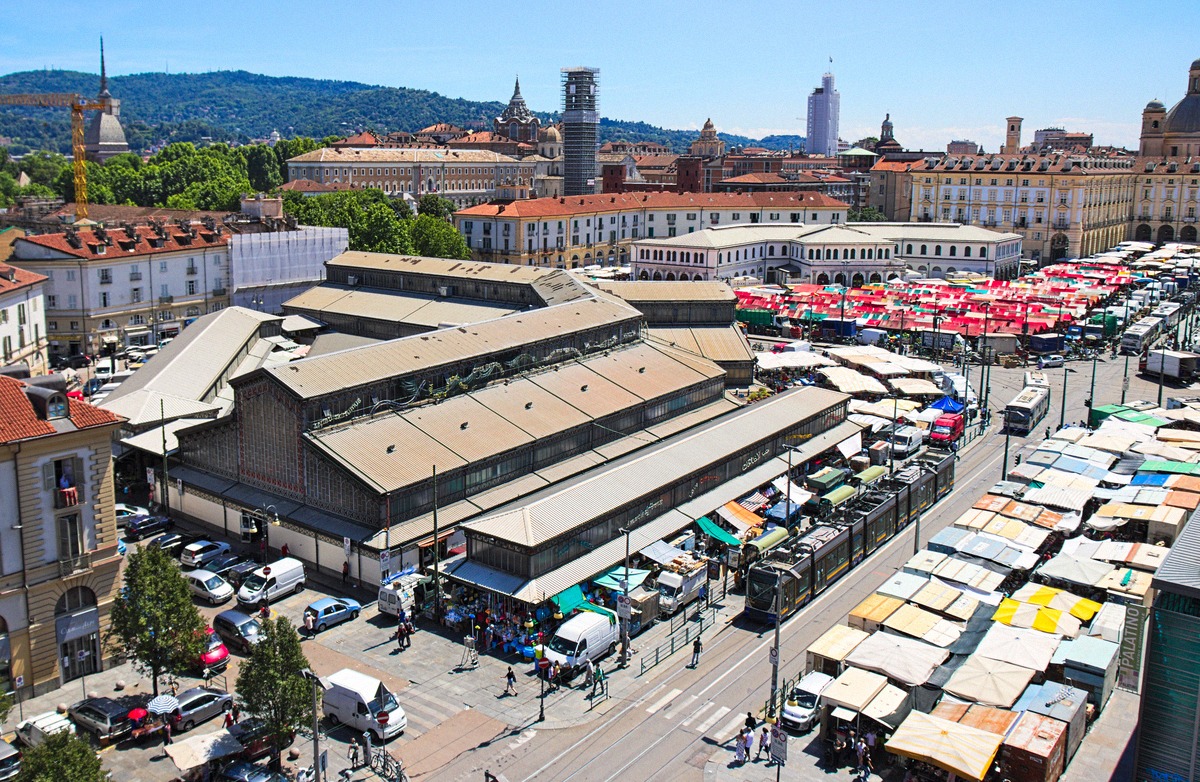
Mercato di Porta Palazzo
Europe's largest open-air market on Piazza della Repubblica - fruit, cheese, fish, spices and Turin's multicultural everyday life at hundreds of stalls.
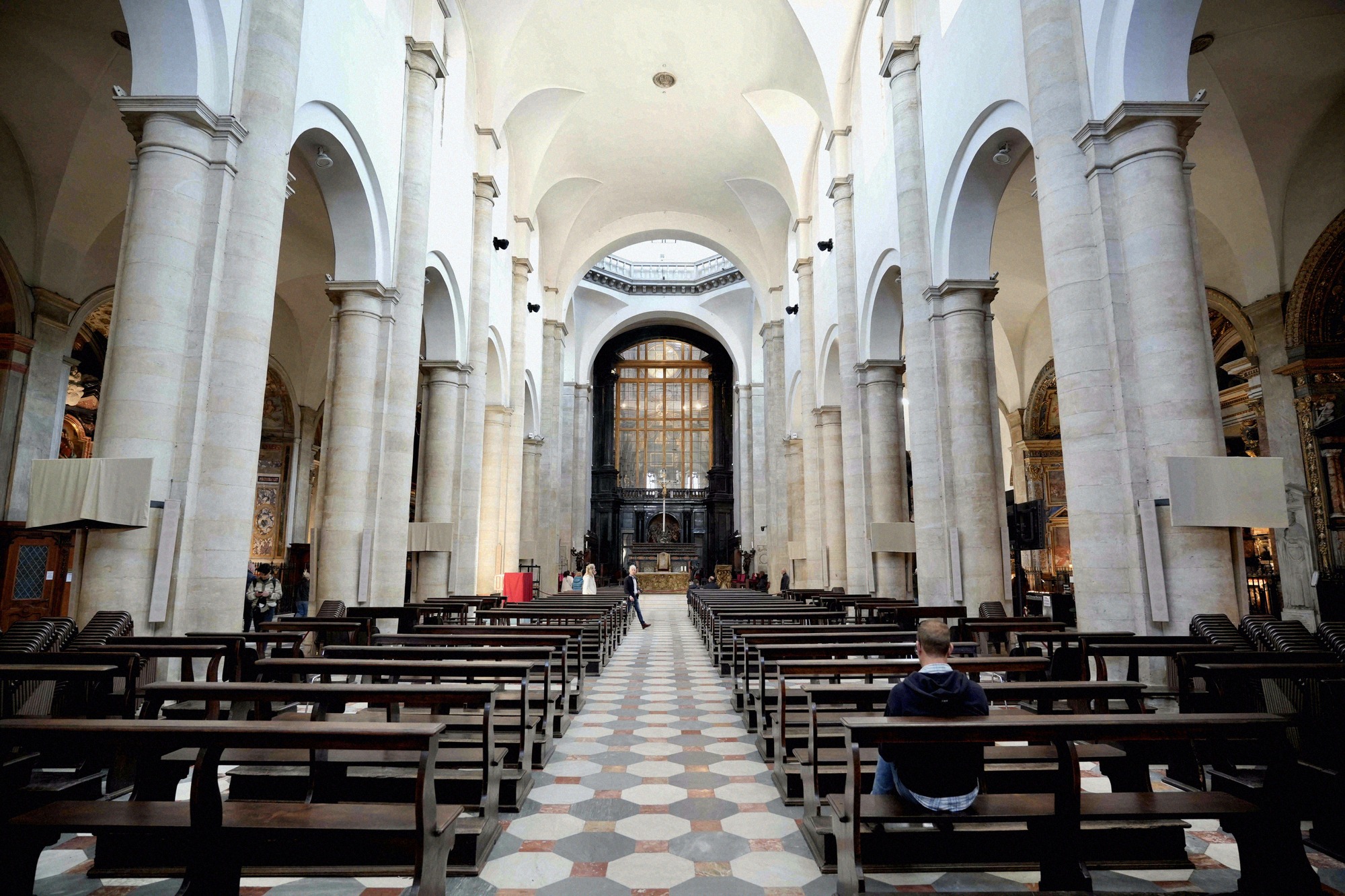
Turin Cathedral
Turin Cathedral, the Cattedrale di San Giovanni Battista, is the city's only Renaissance church and home of the Holy Shroud. Free admission.
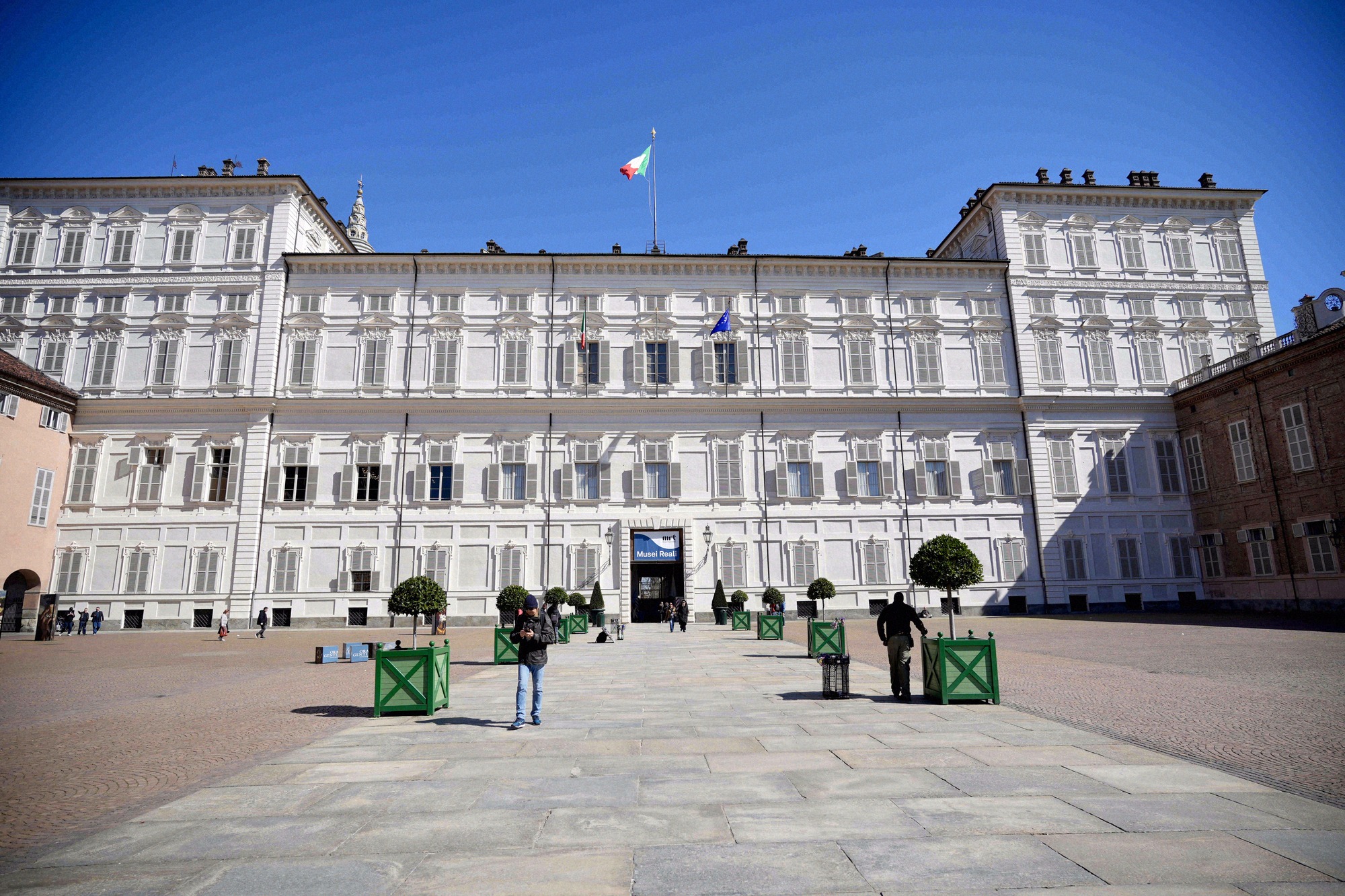
Palazzo Reale
The Savoy royal palace and heart of the Musei Reali, state rooms, the Royal Armoury, Galleria Sabauda, library and Guarini's Shroud Chapel.
San Lorenzo
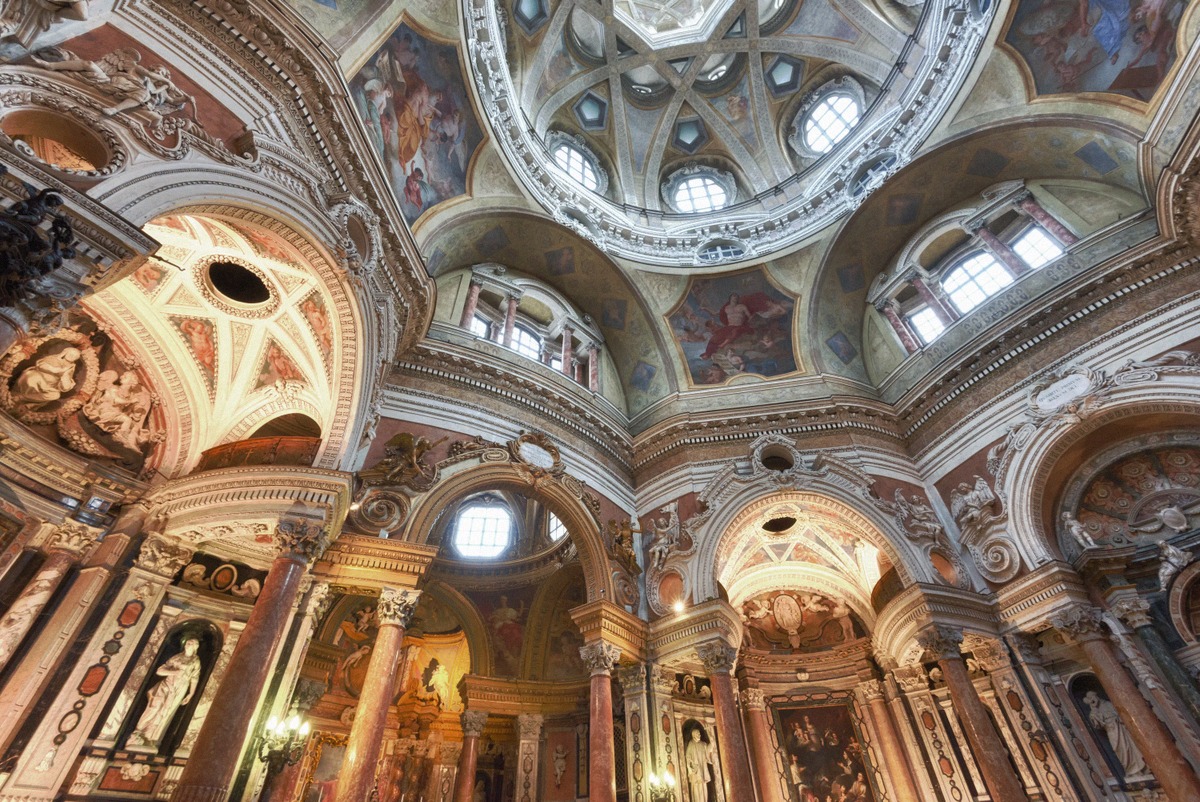
The Real Chiesa di San Lorenzo was the Savoy court church - Guarino Guarini's baroque masterpiece with a star-shaped ribbed dome of eight crossing arches.
Piazza Castello
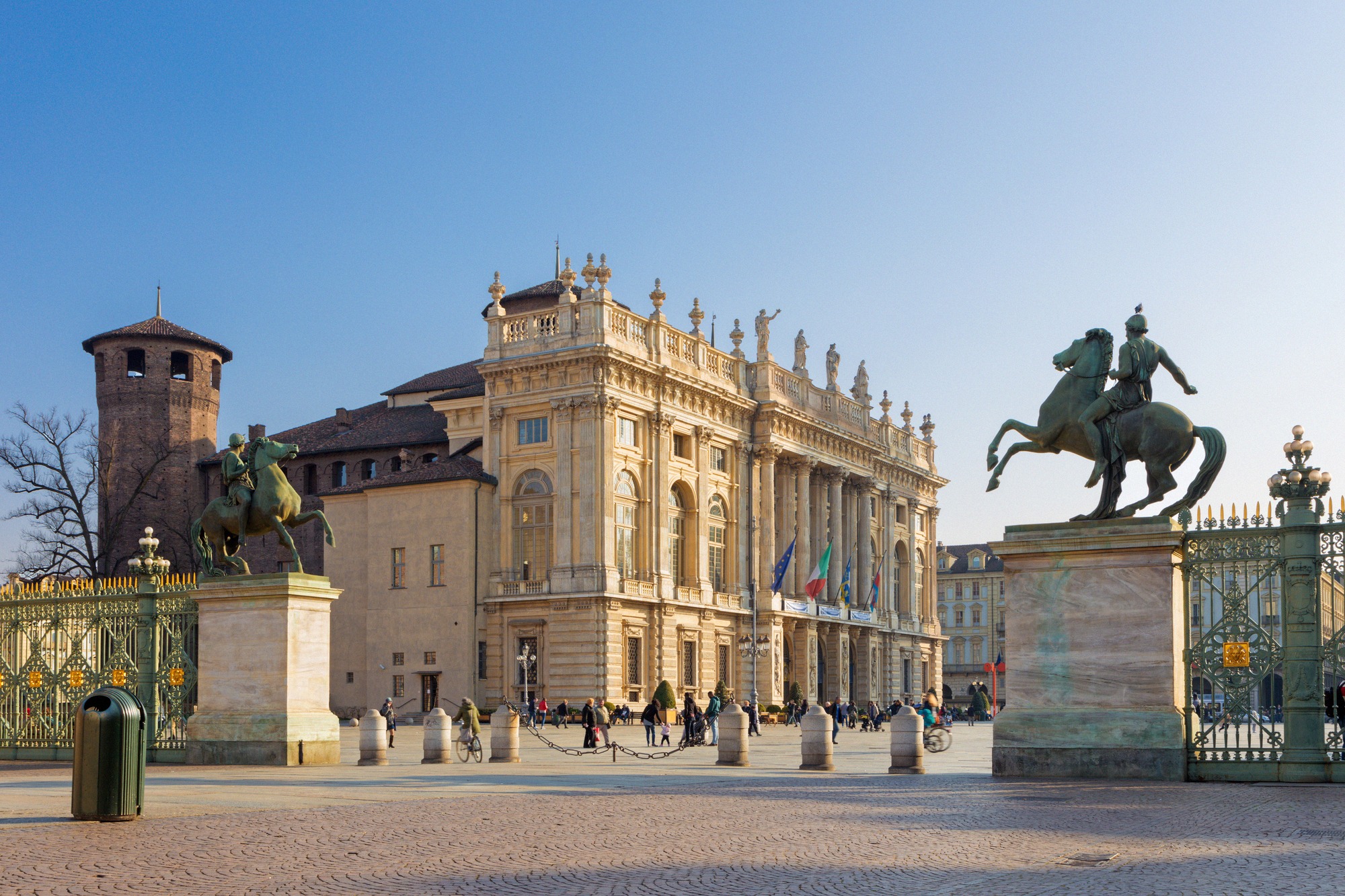
Turin's monumental main square, home to Palazzo Reale, Palazzo Madama, Teatro Regio and San Lorenzo. Free to visit and the ideal starting point.
Palazzo Madama
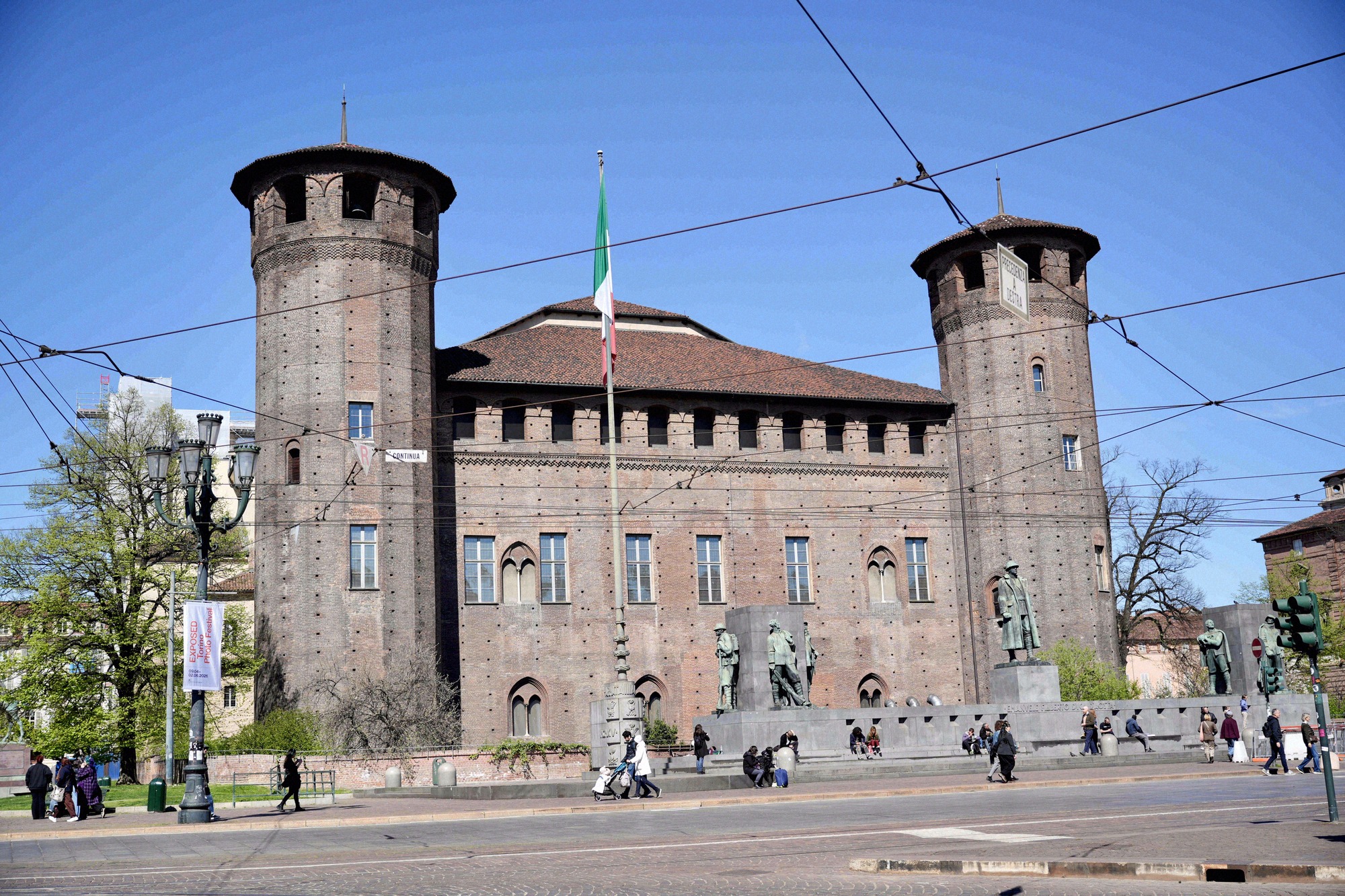
From a Roman gate through a medieval castle to Juvarra's Baroque facade - Palazzo Madama on Piazza Castello houses Turin's museum of ancient art.