
Dome climb
Basilica di Superga, dome climb
Up a spiral staircase of 131 steps to the dome's outer balcony, with views over Turin, the valleys and the mountains.
From €4
Book TicketBaroque basilica with the royal crypt above Turin
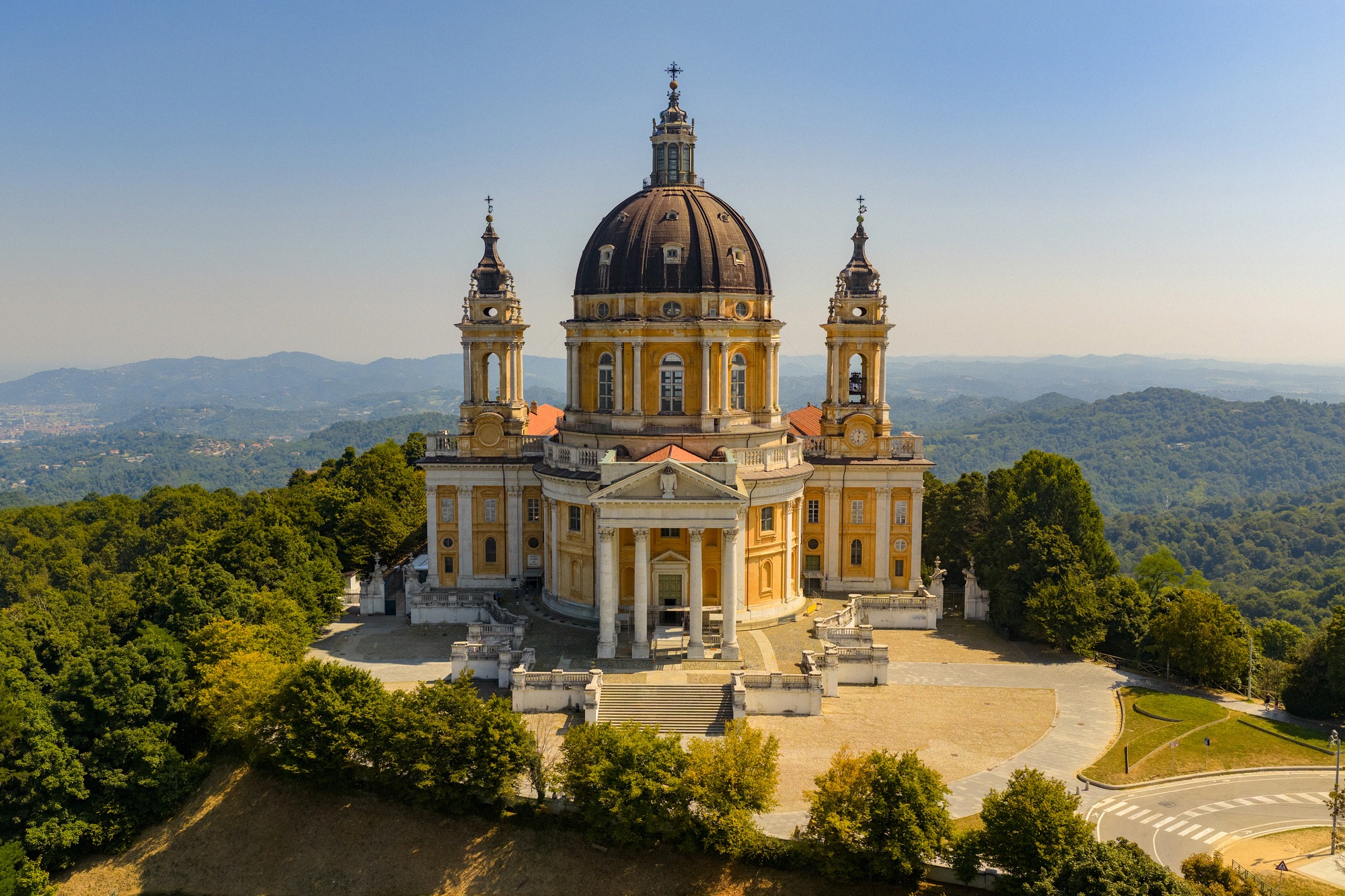
The Basilica di Superga, Juvarra's baroque masterpiece 670m above Turin, holds the Savoy royal crypt and the Grande Torino memorial, with Alpine views.
Tickets
The church and the Cappella del Voto are free. You pay for the climb to the dome balcony.
Dome climb
Up a spiral staircase of 131 steps to the dome's outer balcony, with views over Turin, the valleys and the mountains.
From €4
Book TicketOn a hill roughly 670 metres high east of the Po river stands the Basilica di Superga, visible from large parts of the city. It was built by Filippo Juvarra between 1717 and 1731, after Duke Vittorio Amedeo II vowed to build it in thanks for victory over the French siege of Turin (1706). The 75-metre-high dome, flanked by two bell towers, and the classically styled colonnaded portico make it one of the great works of Piedmontese baroque. Today the basilica is cared for by the religious community Fraternità della Speranza; the church and Cappella del Voto are free to enter.
Beneath the basilica lies the Cripta Reale, the burial place of the House of Savoy. It holds the kings of Sardinia, from Vittorio Amedeo II (1732), the dynasty's first king, through Carlo Emanuele III, Vittorio Amedeo III and Vittorio Emanuele I (1824), to Carlo Alberto (1849), whose large sarcophagus stands at the centre. The later kings of Italy, by contrast, are buried in the Pantheon in Rome. The crypt can only be visited on a guided tour (€6, concession €5); the tour is given in Italian, with other languages available for an extra charge. The royal apartment (€6, concession €5) can be booked separately and is limited to two visits per day.
For many visitors, the panorama is the real reason for the trip: on a clear day the view stretches across all of Turin to the full Alpine arc, including Monviso and Gran Paradiso. For an even higher vantage point, take the dome climb (€4, concession €3) up to the balcony of the 75-metre dome. It is closed in bad weather or strong wind, and for safety reasons children under 6 are not allowed on the balcony. The trip is most rewarding on clear days, in hazy conditions the mountain views disappear, leaving mainly the building itself.
At the rear of the basilica, a memorial marks the Superga air disaster: on 4 May 1949, the aircraft carrying the entire Torino FC squad, the legendary Grande Torino, crashed here in fog. A plaque bearing the names of the 31 victims stands at the point of impact, and the impact marks on the masonry have deliberately been left visible. The site remains a place of pilgrimage for fans to this day; every year on 4 May a memorial mass is held, at which the victims' names are read out symbolically at 17:03, the time of the crash.
The most atmospheric way up is the historic Sassi-Superga rack railway, which climbs the 3,100-metre route from Sassi station from 225 to around 650 metres above sea level, in 2026, once again with restored original carriages. On the summer timetable from 3 April 2026 it runs hourly from 10:00 to 18:00 on Mondays, Tuesdays, Thursdays and Fridays, and from 9:00 to 20:00 at weekends and on public holidays; it doesn't run on Wednesdays. On weekdays the fare is €4 one way or €6 return, and €6/€9 on Saturdays and public holidays; the Torino+Piemonte Card gets you the concession rate. Alternatively, buses and a winding road lead up to the address Strada Comunale alla Basilica di Superga 73.
From 1 March 2026, opening hours are uniform for the basilica, crypt, apartment and dome: Monday to Friday 10:00-13:30 and 14:30-18:00, Saturdays, Sundays and public holidays 10:00-19:00 continuous. Allow half a day for the journey there and back plus the visit. If you want to combine this hilltop destination with Turin's baroque city centre, it pairs well with the Reggia di Venaria or the Palazzo Reale, two more Savoy residences.
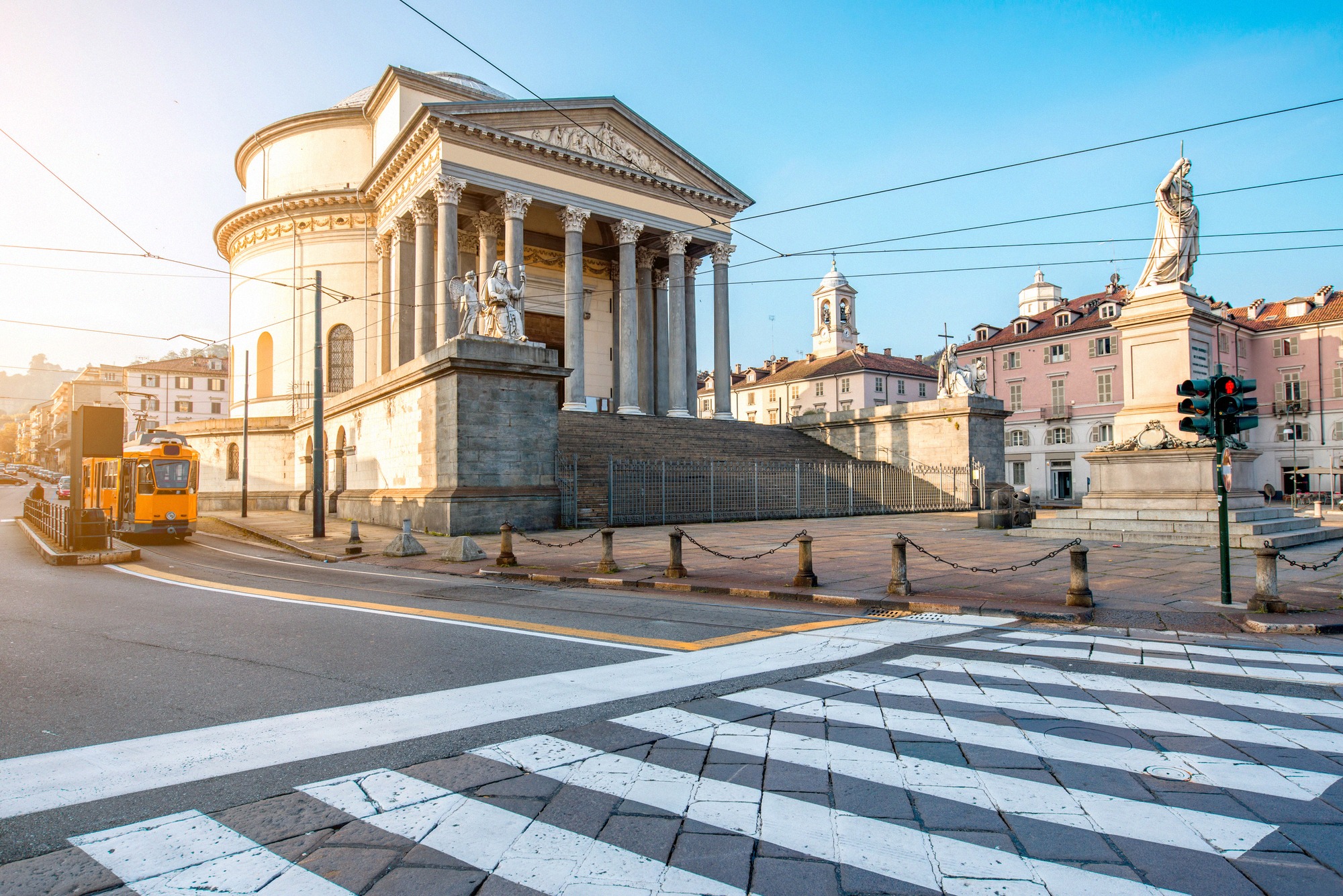
Turin's Pantheon-style church on the Po's right bank, a neoclassical dome from 1818-1831, landmark of Borgo Po, wrapped in Grail legend.
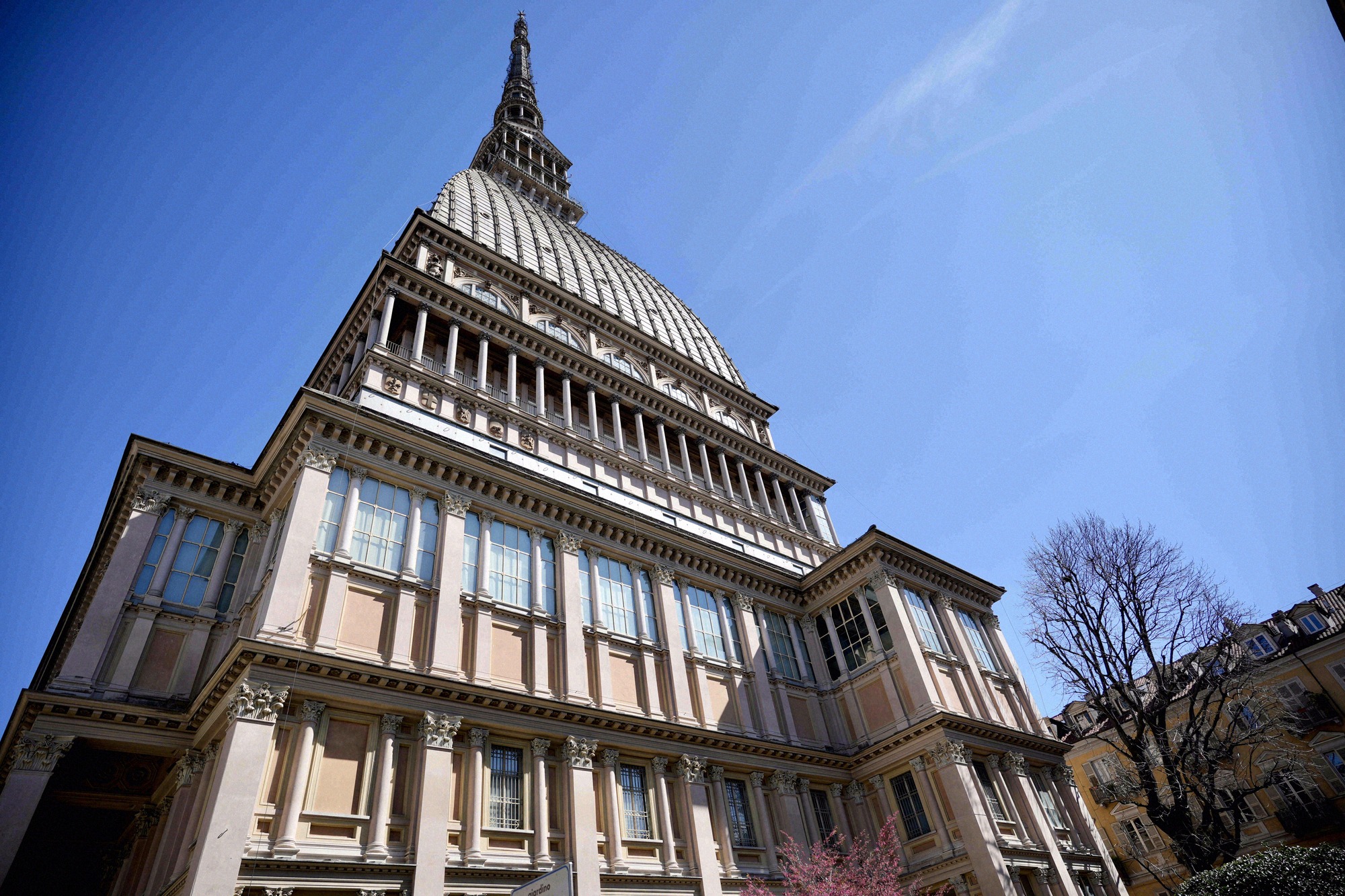
At 167 m, the Mole is Turin's landmark. Inside is the Museo Nazionale del Cinema, and up top a viewing platform at 85 m with a glass panoramic lift.
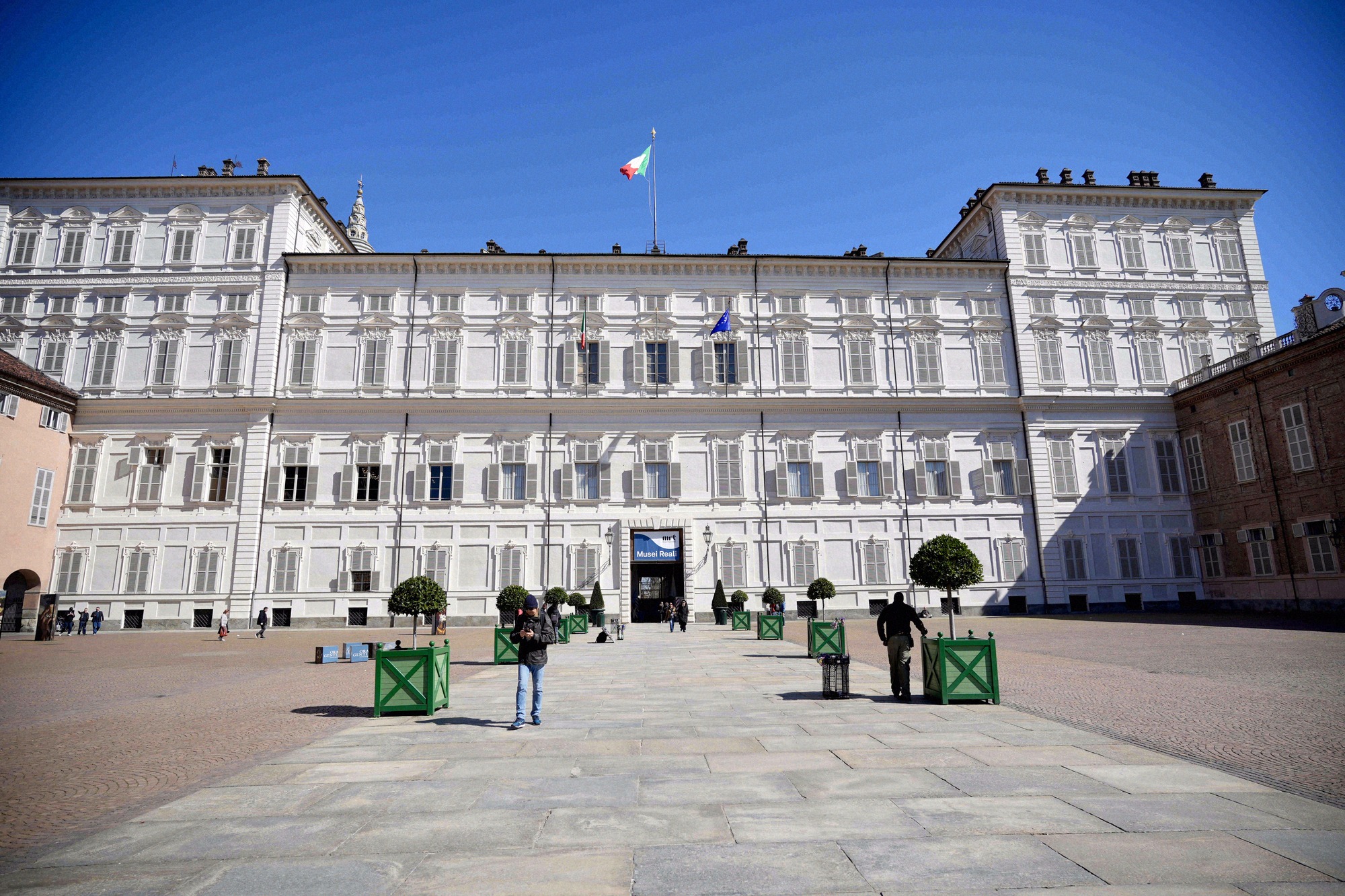
The Savoy royal palace and heart of the Musei Reali, state rooms, the Royal Armoury, Galleria Sabauda, library and Guarini's Shroud Chapel.
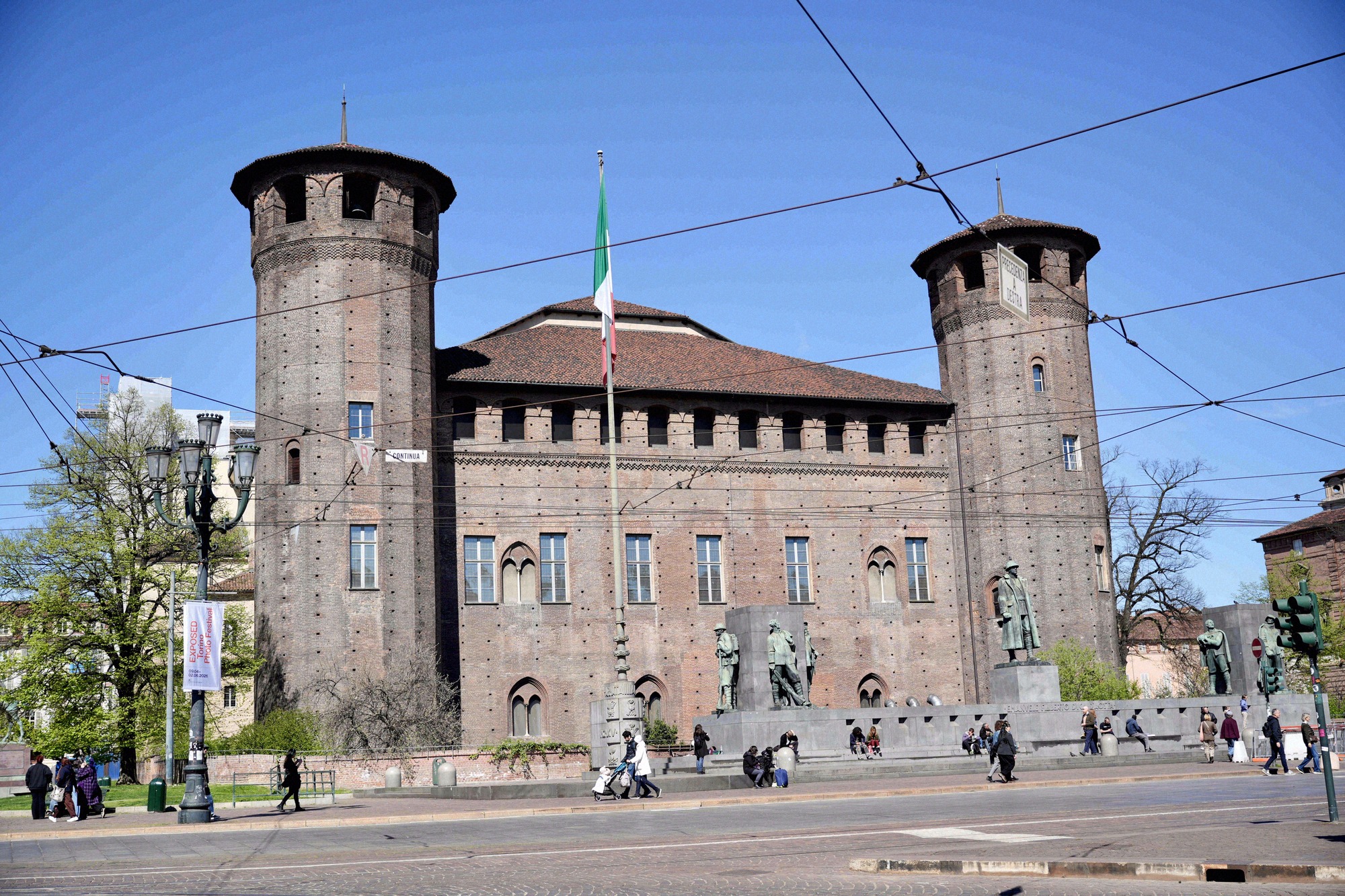
From a Roman gate through a medieval castle to Juvarra's Baroque facade - Palazzo Madama on Piazza Castello houses Turin's museum of ancient art.
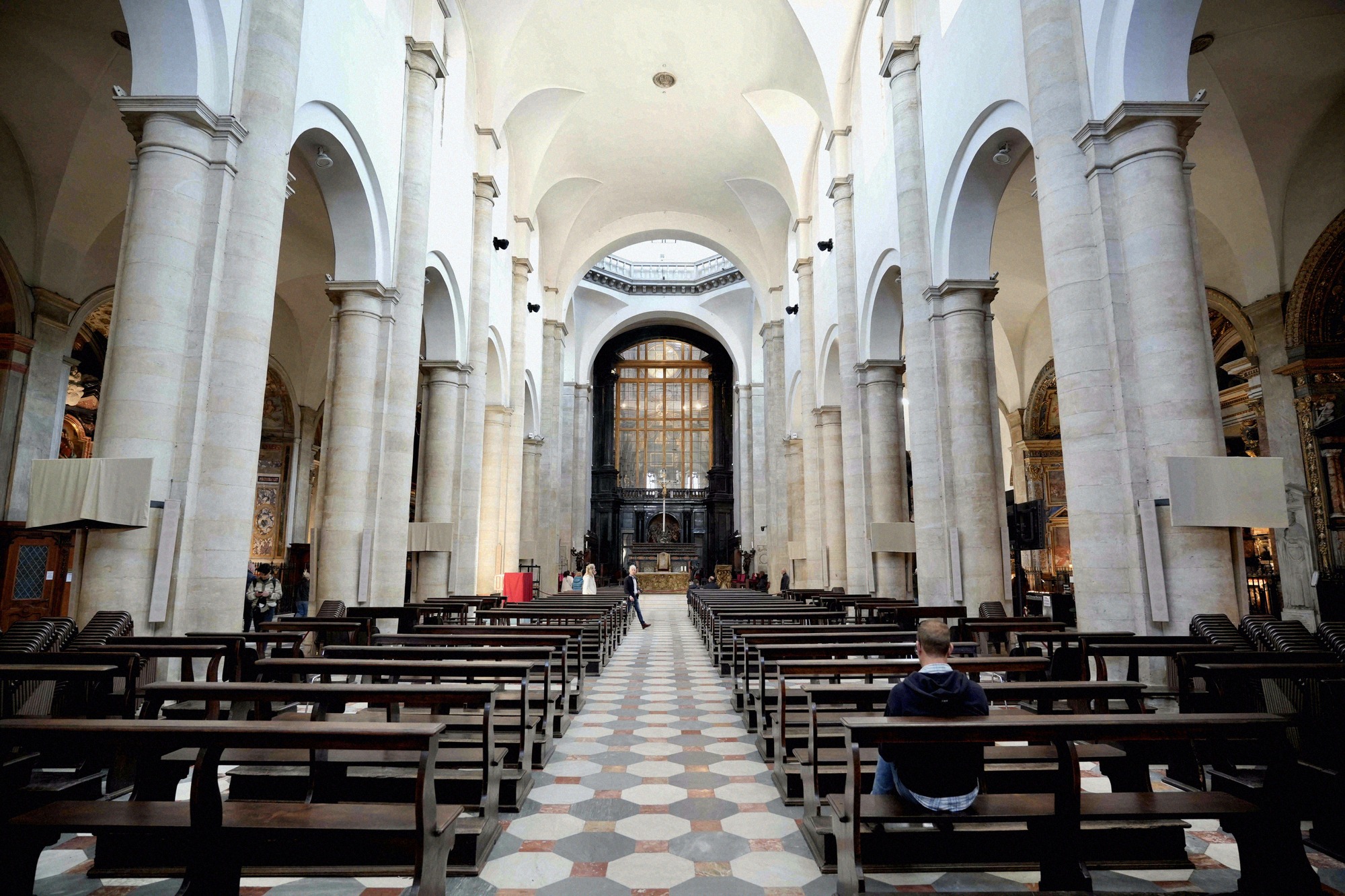
Turin Cathedral, the Cattedrale di San Giovanni Battista, is the city's only Renaissance church and home of the Holy Shroud. Free admission.
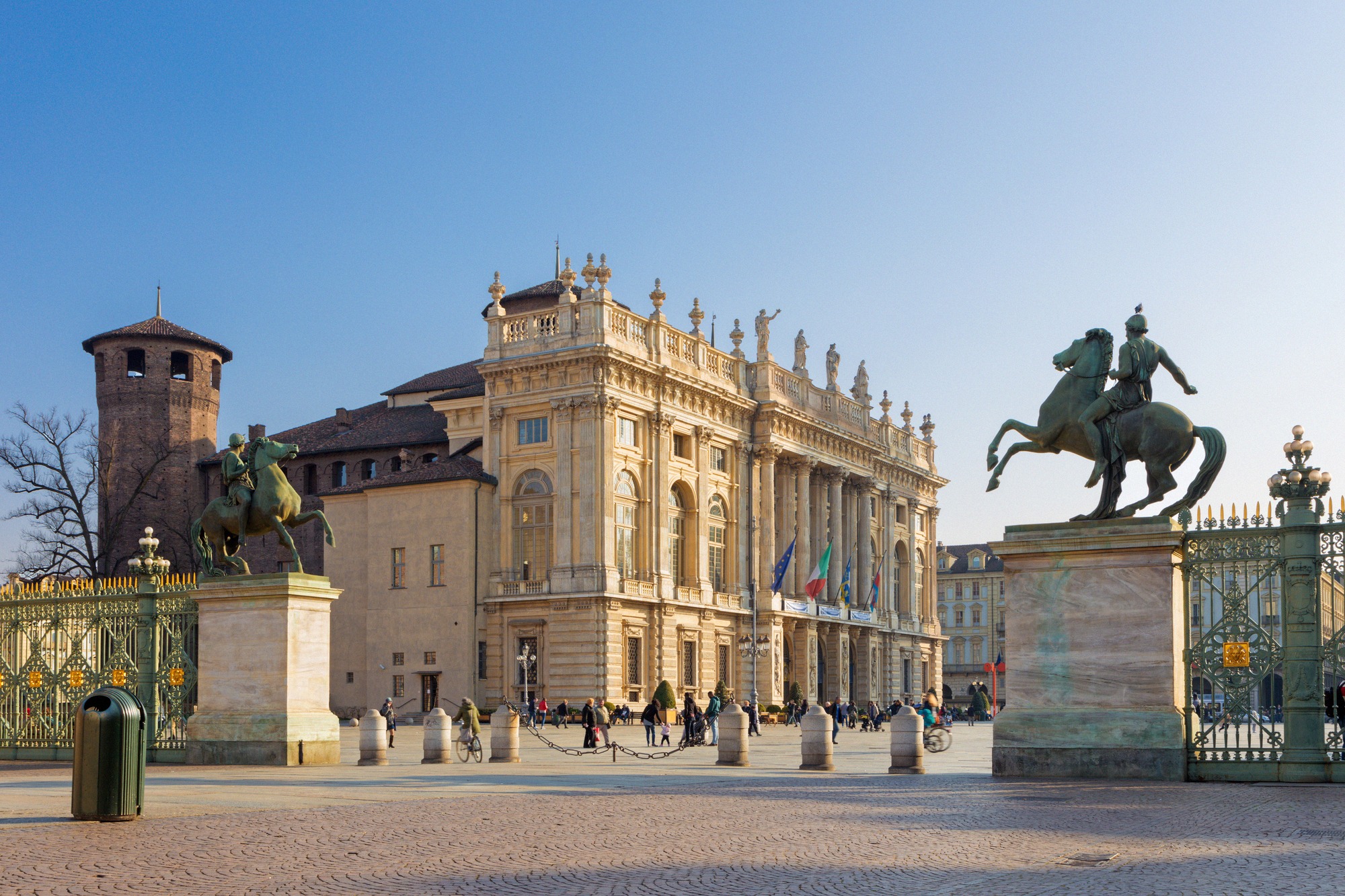
Turin's monumental main square, home to Palazzo Reale, Palazzo Madama, Teatro Regio and San Lorenzo. Free to visit and the ideal starting point.