
Gran Madre di Dio
Neoclassical domed church on the Po
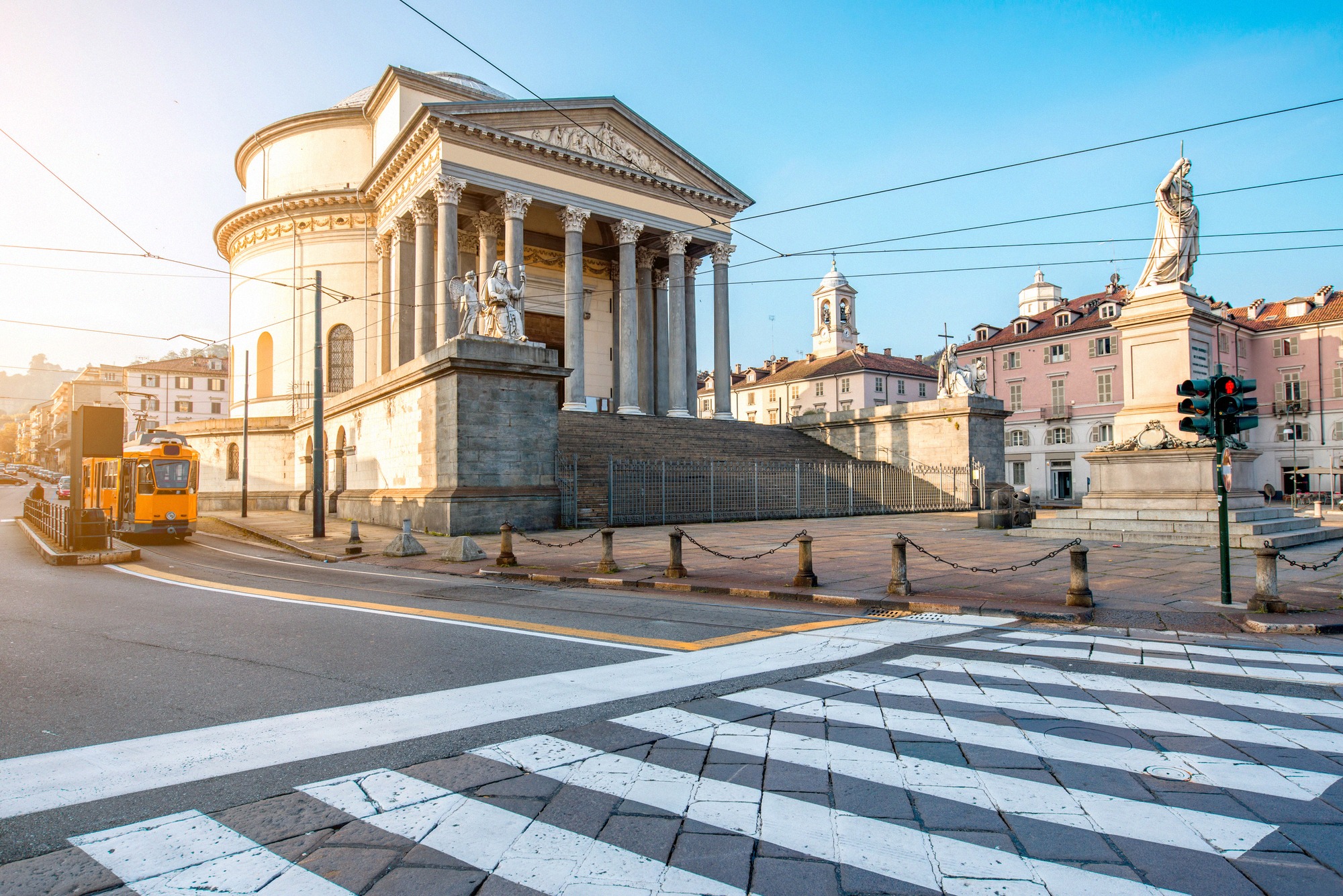
Turin's Pantheon-style church on the Po's right bank, a neoclassical dome from 1818-1831, landmark of Borgo Po, wrapped in Grail legend.
Contents
Turin's answer to the Pantheon
On the right bank of the Po, directly opposite Piazza Vittorio Veneto, the Gran Madre di Dio closes the view from the city centre across the bridge. The strictly neoclassical domed building, with its six-column Corinthian pronaos on a raised base, openly echoes the Pantheon in Rome: a central hall, a columned portico and a dome with a coffered ceiling. It was designed by the Savoy court architect Ferdinando Bonsignore (1760-1843). The entrance is reached via a monumental flight of steps, which gives the church its theatrical presence from the piazza and the riverbank. The Gran Madre is the focal point of the Borgo Po neighbourhood and one of the landmarks of Turin's riverfront.
Built in thanks to the House of Savoy
The church was built between 1818 and 1831, in thanks for the return of King Vittorio Emanuele I of Savoy on 20 May 1814, after the end of Napoleonic rule over Piedmont. The foundation stone was laid in 1818. In front of the church, a monument commemorates that same Vittorio Emanuele I. In 1932, a sacrario (ossuary) for the fallen of the First World War was added beneath the building. The Gran Madre is thus less a medieval place of worship than a political monument of the Restoration, visible in its deliberately state-affirming, classicising architecture.
The statues and the Grail legend
Two figures stand on the steps: Fede (Faith) and Religione (Religion). The Fede statue holds a chalice, and this is exactly what one of Turin's best-known urban legends latches onto: her gaze is said to point the way to the hidden Holy Grail. This has earned the Gran Madre a reputation as "Turin's most esoteric church" and made it a fixture on the city's magic-themed tours. None of this is historically documented; the stories are folk myths tied to Turin's occult reputation, not part of the building's original design. Knowing the legend still changes how you look at the steps.
What to expect
- The view from Piazza Vittorio Veneto across the bridge to the steps, portico and dome - the real postcard shot, often more striking than the interior
- A comparatively austere, neoclassical interior beneath the Pantheon-style dome
- The Fede and Religione statues on the steps, and the Grail legend attached to them
- The monument to Vittorio Emanuele I in front of the church
20 to 30 minutes is enough for the church itself. It isn't essential viewing the way Turin Cathedral or the Basilica di Superga are, but it's worth a short detour if you're heading to the Po riverfront anyway.
Visiting and practical information
Admission is free, the Gran Madre is an active parish church of the Diocese of Turin (pastoral unit no. 22, Cavoretto), not a museum (address: Piazza Gran Madre di Dio 4). As a guideline, it opens Monday to Saturday from 8:00 to 19:00 and Sundays from 8:00 to 22:00; some sources instead list daily hours of 7:30 to 19:00. During services (several Masses on Sundays, evening rosary), visits are limited, and appropriate dress is expected. You can reach the parish by phone on +39 011 819 3572.
From the centre, it's just a few minutes' walk across the Ponte Vittorio Emanuele I bridge. By public transport, tram line 13 and several bus routes (including 53, 56, 61) stop at Gran Madre, right on the piazza. The building looks best in the warm light of morning or late afternoon. The detour combines well with a walk along the Parco del Valentino upstream, or a look back at the skyline with the Mole Antonelliana. Anyone wanting to explore more of Turin's churches will find further destinations, from the cathedral to Superga, in the churches overview.
Frequently asked questions
What does it cost to visit the Gran Madre di Dio? +
How do you get to the Gran Madre di Dio? +
Why is the Gran Madre considered Turin's most esoteric church? +
Nearby
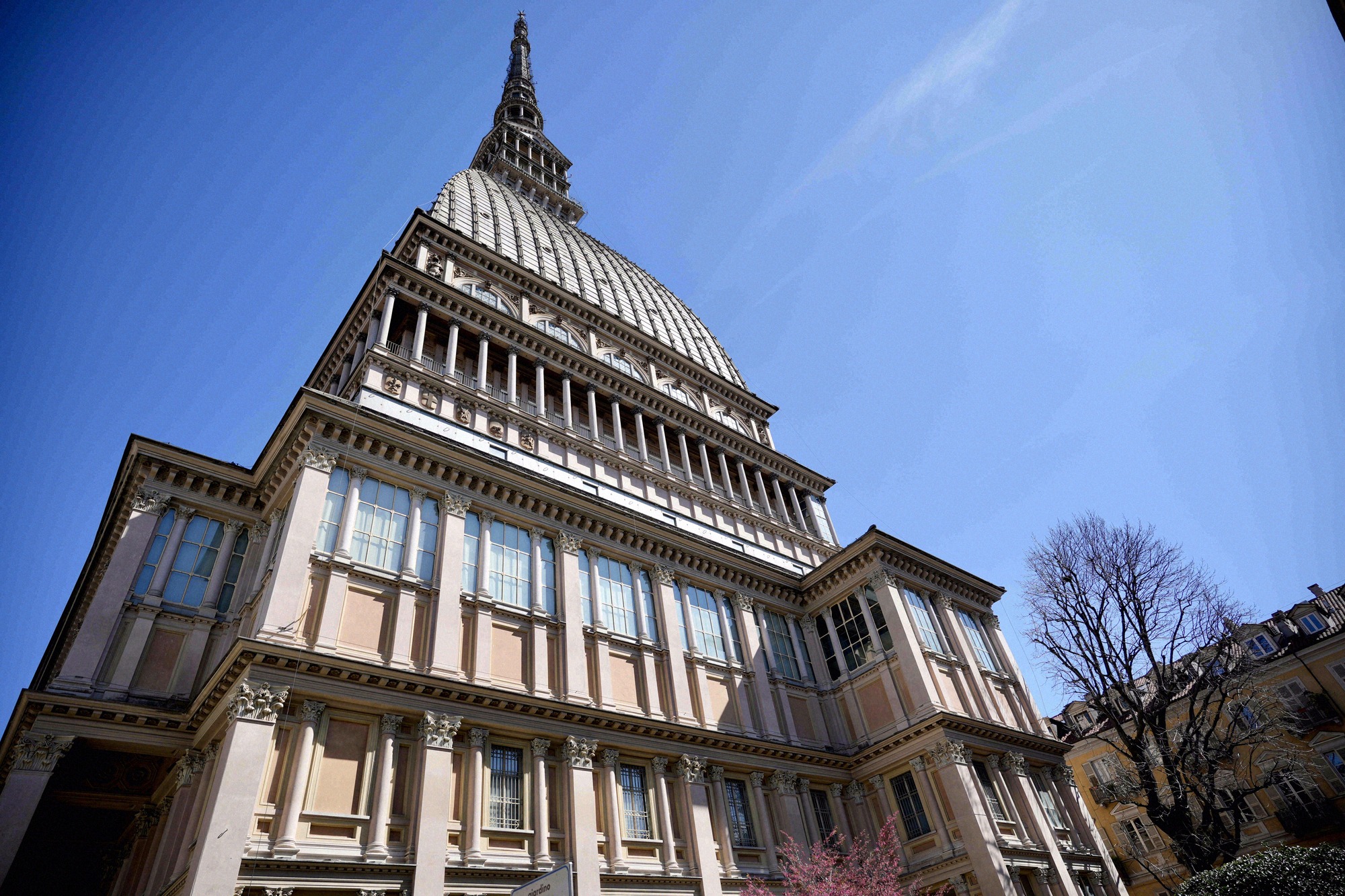
Mole Antonelliana
At 167 m, the Mole is Turin's landmark. Inside is the Museo Nazionale del Cinema, and up top a viewing platform at 85 m with a glass panoramic lift.
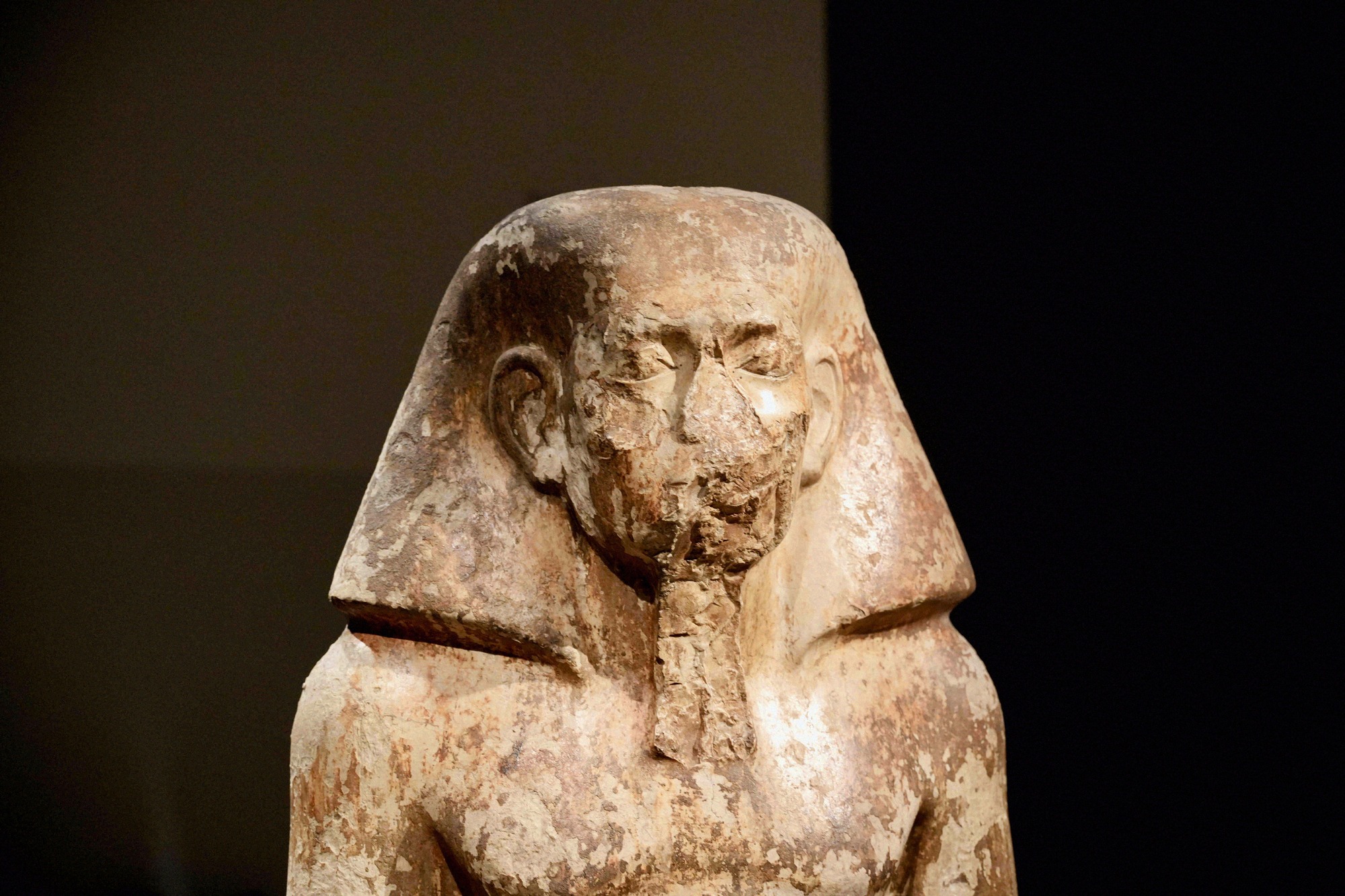
Egyptian Museum Turin
Turin's Egyptian Museum is the oldest in the world and, after Cairo, the most important, around 40,000 objects from 3,000 years of pharaonic culture.
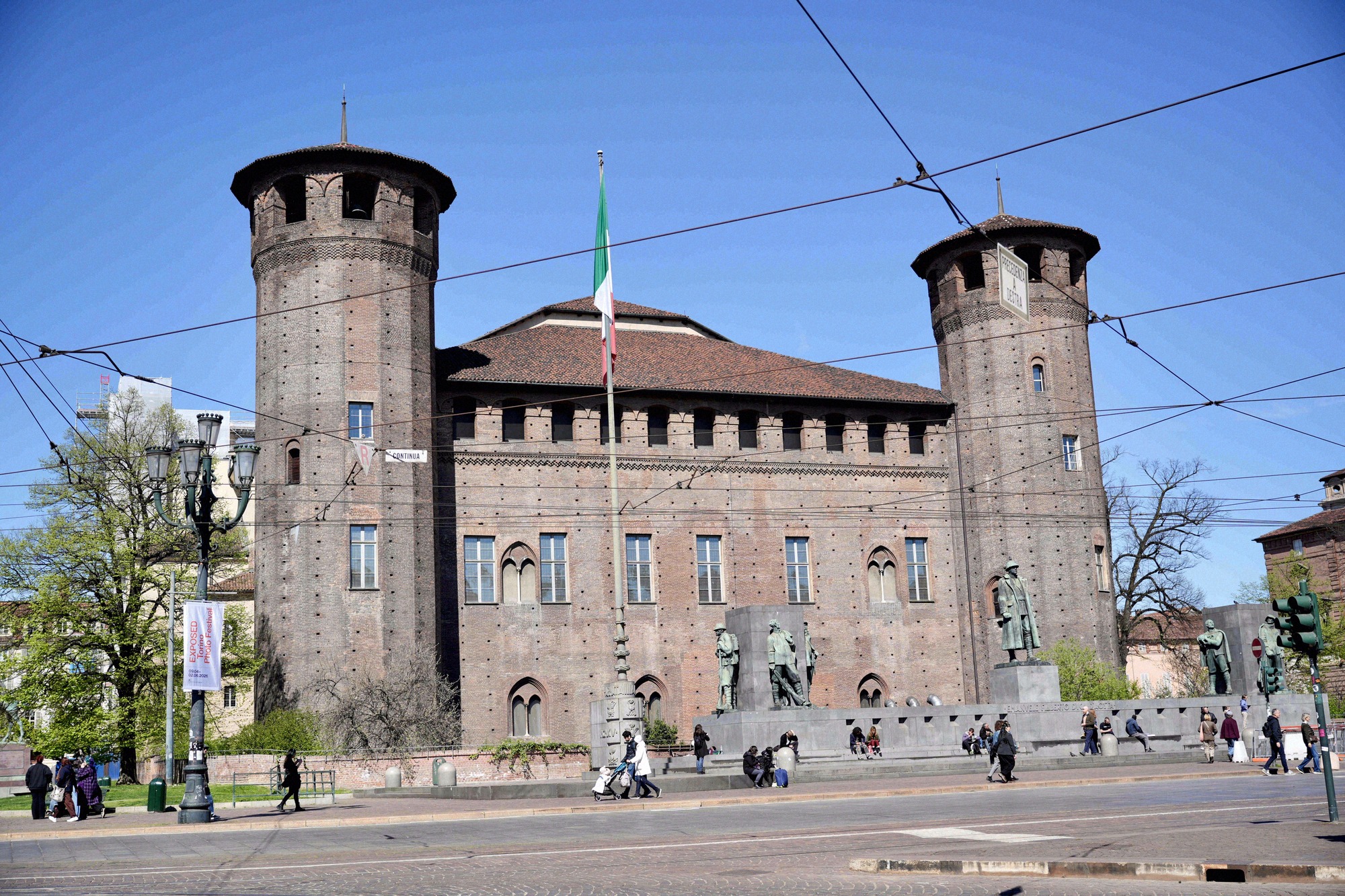
Palazzo Madama
From a Roman gate through a medieval castle to Juvarra's Baroque facade - Palazzo Madama on Piazza Castello houses Turin's museum of ancient art.
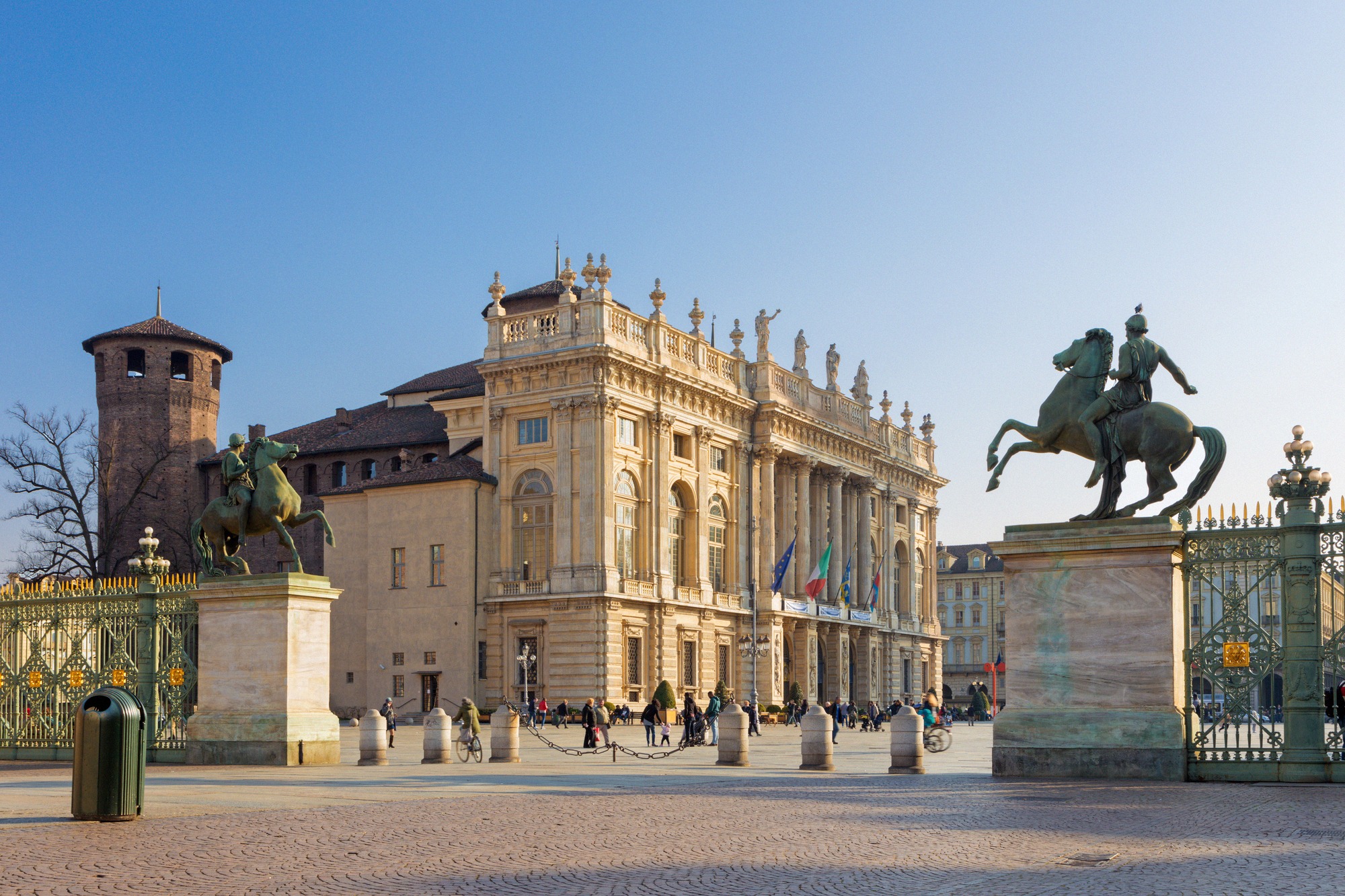
Piazza Castello
Turin's monumental main square, home to Palazzo Reale, Palazzo Madama, Teatro Regio and San Lorenzo. Free to visit and the ideal starting point.
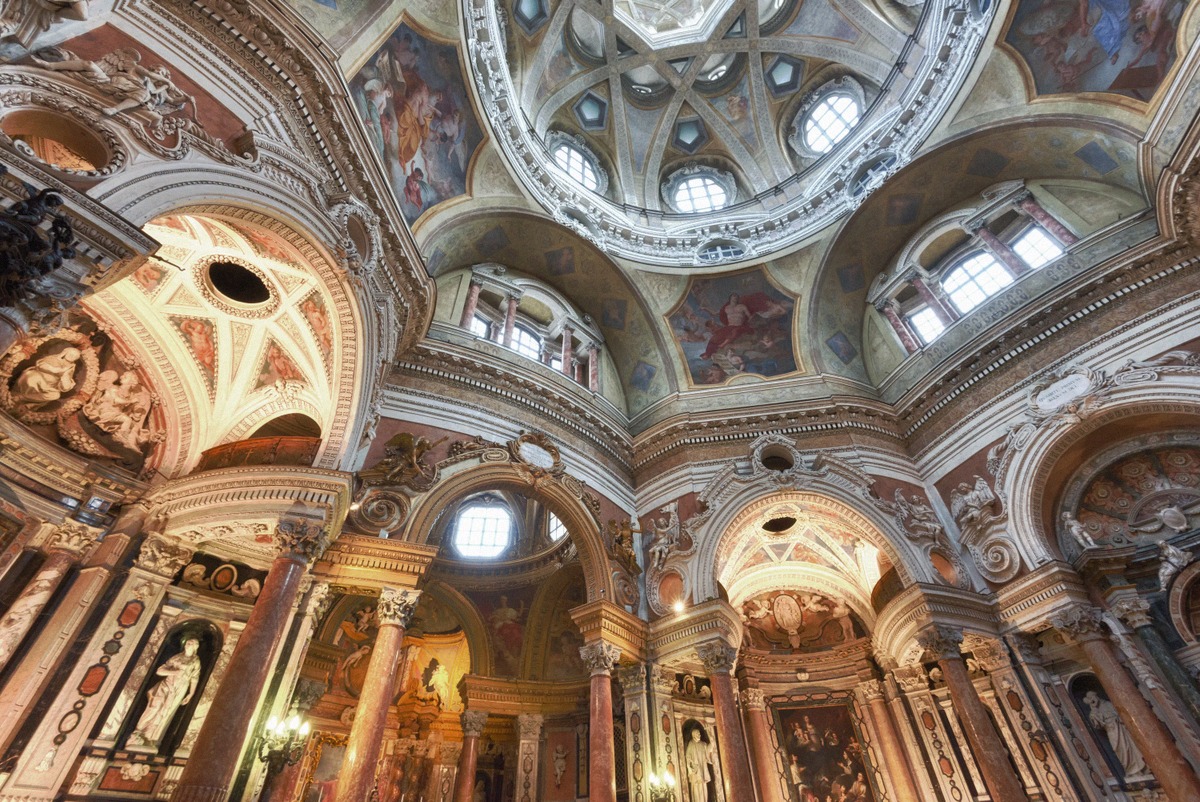
San Lorenzo
The Real Chiesa di San Lorenzo was the Savoy court church - Guarino Guarini's baroque masterpiece with a star-shaped ribbed dome of eight crossing arches.
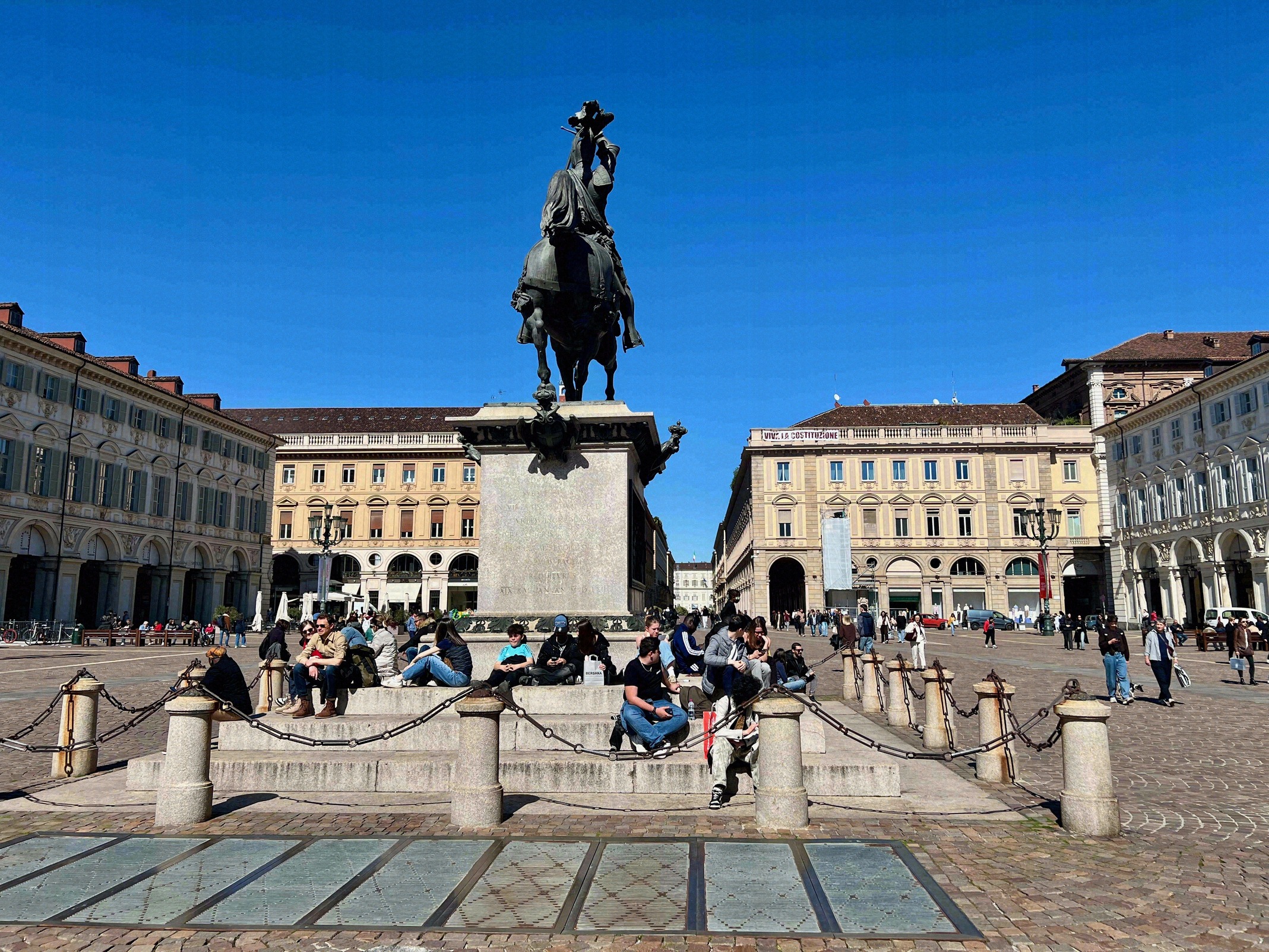
Piazza San Carlo
Turin's elegant baroque square on Via Roma, with twin churches, the Caval ëd Brôns equestrian monument and historic cafés under the arcades.