
Parco del Valentino
Turin's oldest city park, with the Borgo Medievale
42 hectares on the Po's left bank, laid out in the 19th century, with the Borgo Medievale, the UNESCO-listed Castello del Valentino and the Botanical Garden.
Contents
Turin's oldest city park
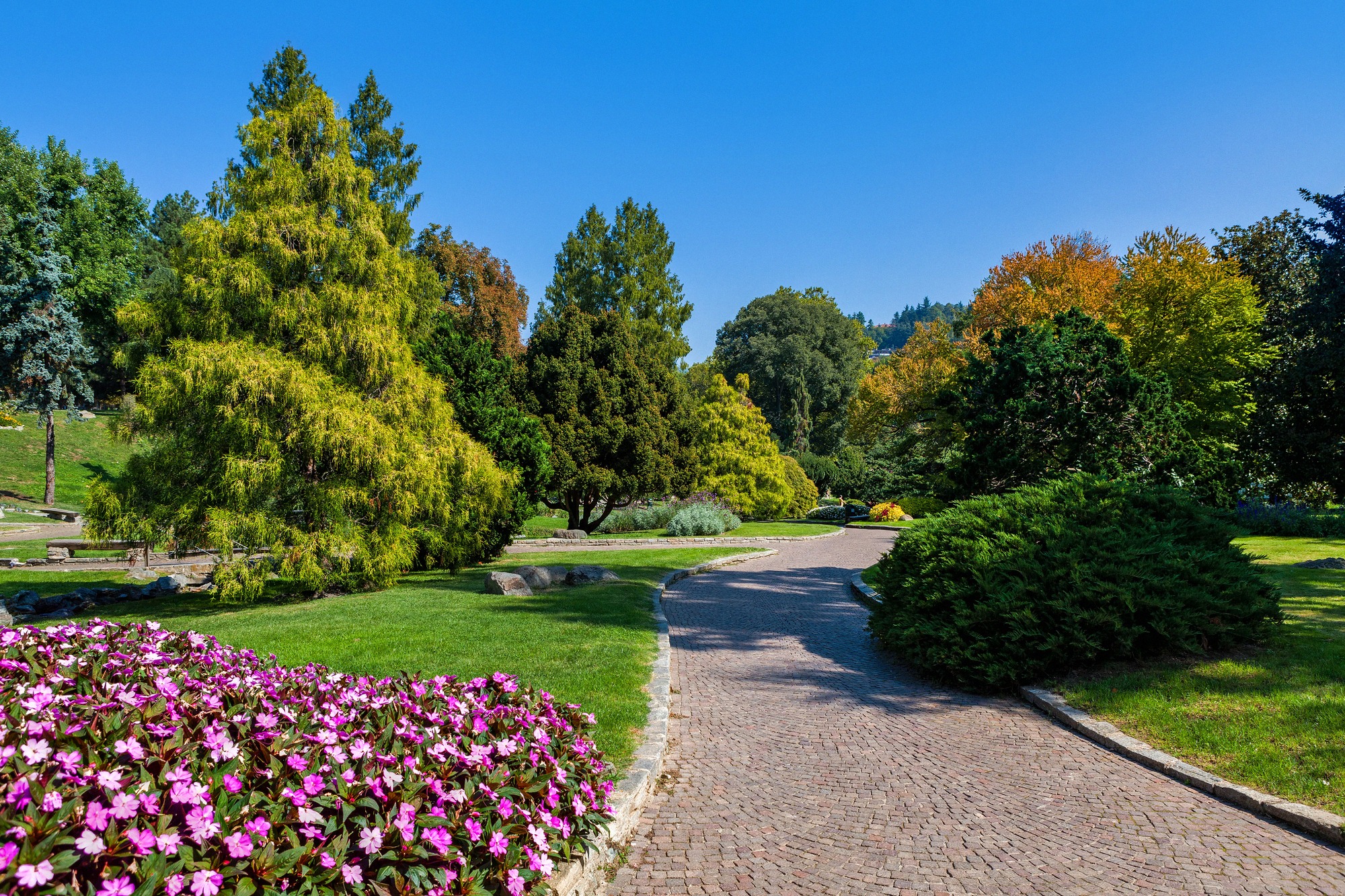
The Parco del Valentino stretches across 42.1 hectares along the left bank of the Po south of the centre, and is Turin's oldest and best-known public park, by area the city's second-largest after the Parco della Pellerina. Laid out in the 19th century in the style of an English landscape garden, it's where locals come today to walk, jog and sit by the river. The park is free to enter around the clock, all year round, and lit at night, lined with old trees, fountains and flowerbeds with constant views over the Po and the hills beyond.
Borgo Medievale and the Rocca
A particular feature is the Borgo Medievale, a faithful reconstruction of a 15th-century Piedmontese village built in 1884 for the Esposizione Generale Italiana - with alleys, craftsmen's houses and a castle you can walk through (the Rocca). Strolling through the alleys is normally free; the Rocca was accessible only on a guided tour of around 45 minutes (€6, reduced €4).
Worth knowing for a visit in 2026: the Borgo Medievale and the Rocca are currently closed. Both are undergoing a major restoration costing around €6 million as part of the PNRR project "Torino, il suo parco e il suo fiume". A reopening is announced for 2026, but the operators have not yet given a firm date, nor have they confirmed prices for after the reopening. For now, the Borgo can only be seen from outside, in passing.
Castello del Valentino and the Botanical Garden
On the riverbank inside the park stands the Castello del Valentino, a former Savoy residence and, as part of the Residences of the Royal House of Savoy, a UNESCO World Heritage Site. Today the castle houses the Politecnico di Torino's architecture faculty; the interior can only be seen on a booked tour, but from outside its French-influenced design and slate roofs make it a landmark of the riverbank.
Right next door lies the Orto Botanico, the University of Turin's historic botanical garden. It's open only seasonally (late March to mid-November, weekends and public holidays) and charges separate admission (€7, reduced €5, free with the Abbonamento Musei). The main grounds are freely accessible during regular hours; the succulent and technical greenhouses only on a guided tour, and the tropical greenhouse not at present. If you're already in the park and time it for the right weekend, this is a quiet contrast to the busy park outside.
What to expect in the park
- The Giardino Roccioso (rock garden) and the Roseto, a rose garden laid out in 1965
- Long walking and jogging paths right along the Po, lit at night
- City amenities: five toilet blocks, drinking fountains, a playground on Viale Ceppi, two dog areas and a handful of refreshment and food spots
- There are no designated picnic areas, though
The park is only partially accessible: alongside paved paths there are unpaved tracks and some steps. The Rocca and the Botanical Garden are, in any case, difficult for visitors with mobility restrictions. Bicycles are allowed throughout the park, and there are bike racks.
Visiting and practicalities
A stroll through the park takes 1.5 to 3 hours, depending on your pace. It's loveliest in spring and summer; weekday mornings are noticeably quieter than the busy weekends. The Botanical Garden is worth timing for the season opening in late March through to early summer.
The park sits on the left bank of the Po, about one kilometre south of Porta Nuova station, and is an easy walk from there or from the student quarter of San Salvario. A sunset walk along the Po is one of the calmest moments Turin has to offer. The park combines well with an aperitivo in San Salvario or a visit to the nearby Savoy buildings around the Royal Palace.
Frequently asked questions
How much does it cost to enter the Parco del Valentino? +
Can you visit the Borgo Medievale and the Rocca? +
When is the Botanical Garden open? +
How do you get to the Parco del Valentino? +
Nearby
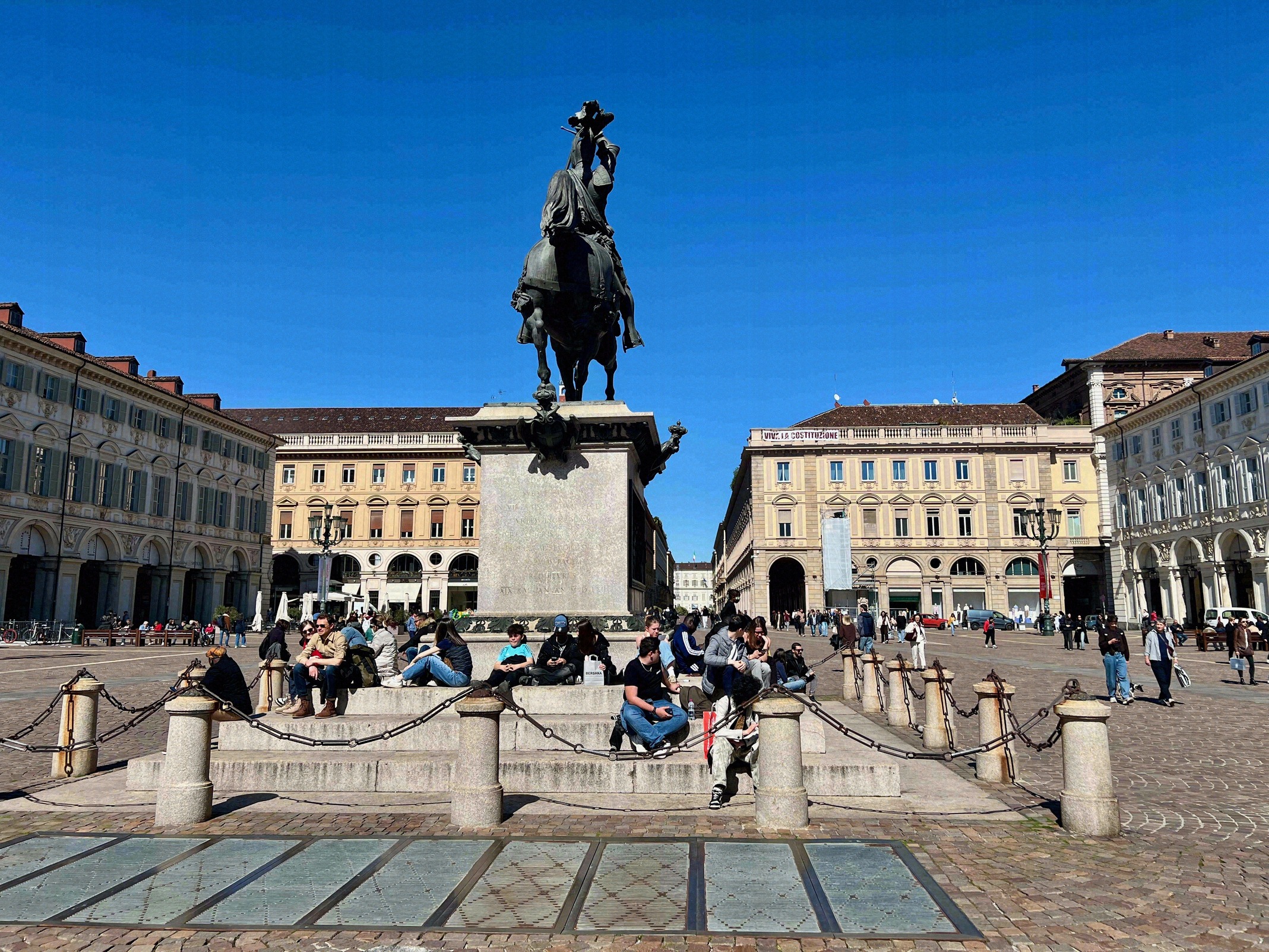
Piazza San Carlo
Turin's elegant baroque square on Via Roma, with twin churches, the Caval ëd Brôns equestrian monument and historic cafés under the arcades.
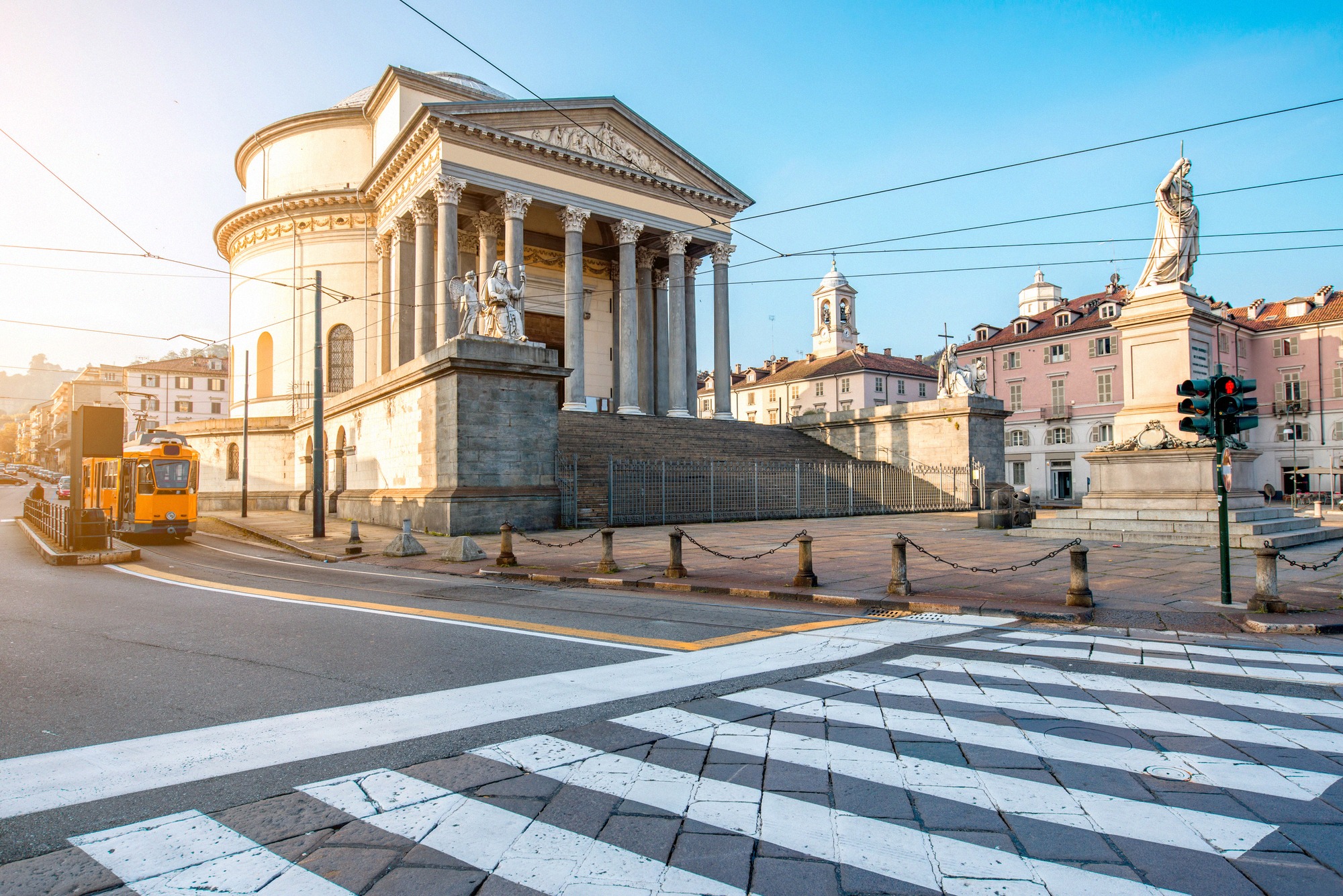
Gran Madre di Dio
Turin's Pantheon-style church on the Po's right bank, a neoclassical dome from 1818-1831, landmark of Borgo Po, wrapped in Grail legend.
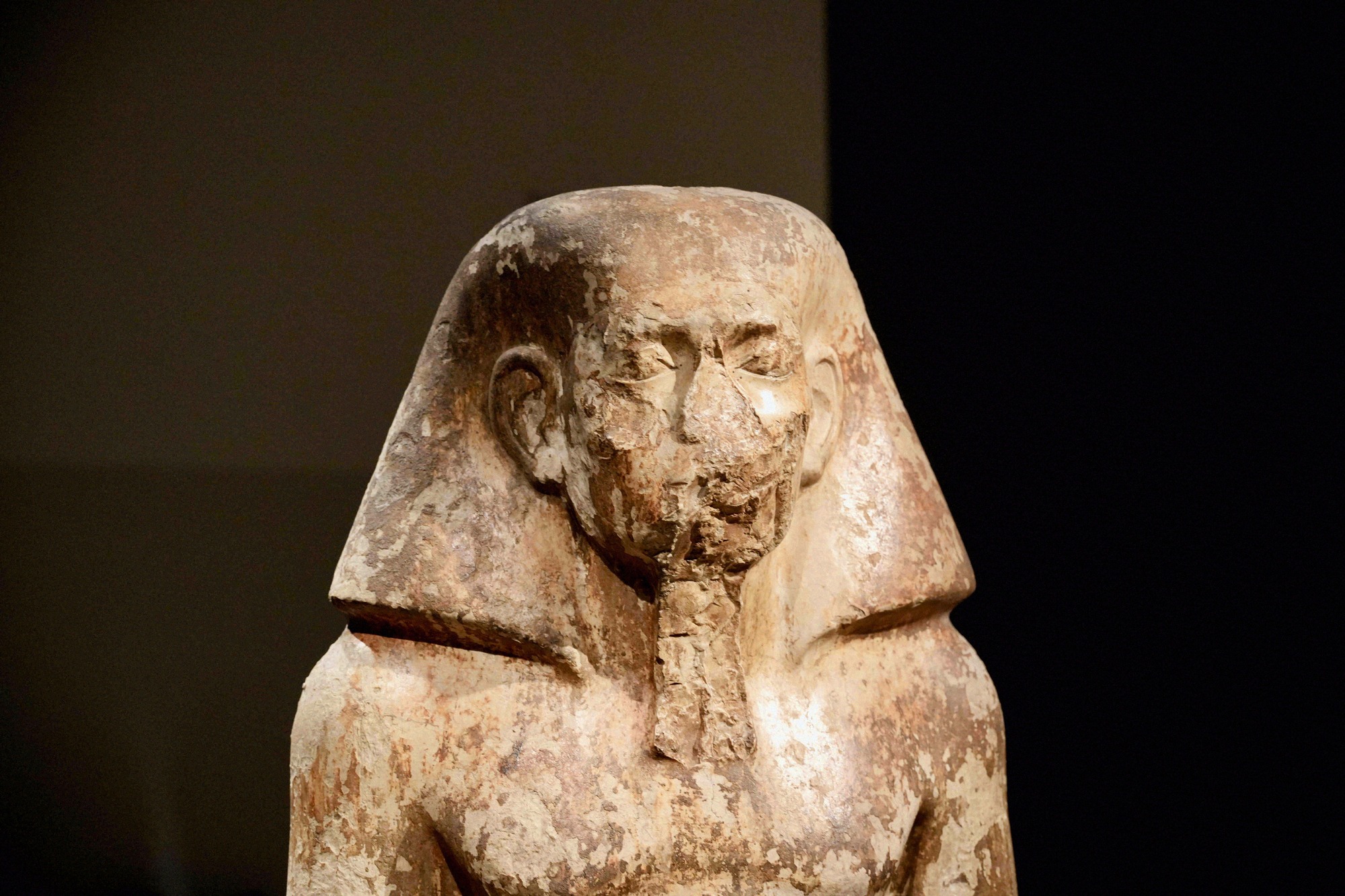
Egyptian Museum Turin
Turin's Egyptian Museum is the oldest in the world and, after Cairo, the most important, around 40,000 objects from 3,000 years of pharaonic culture.
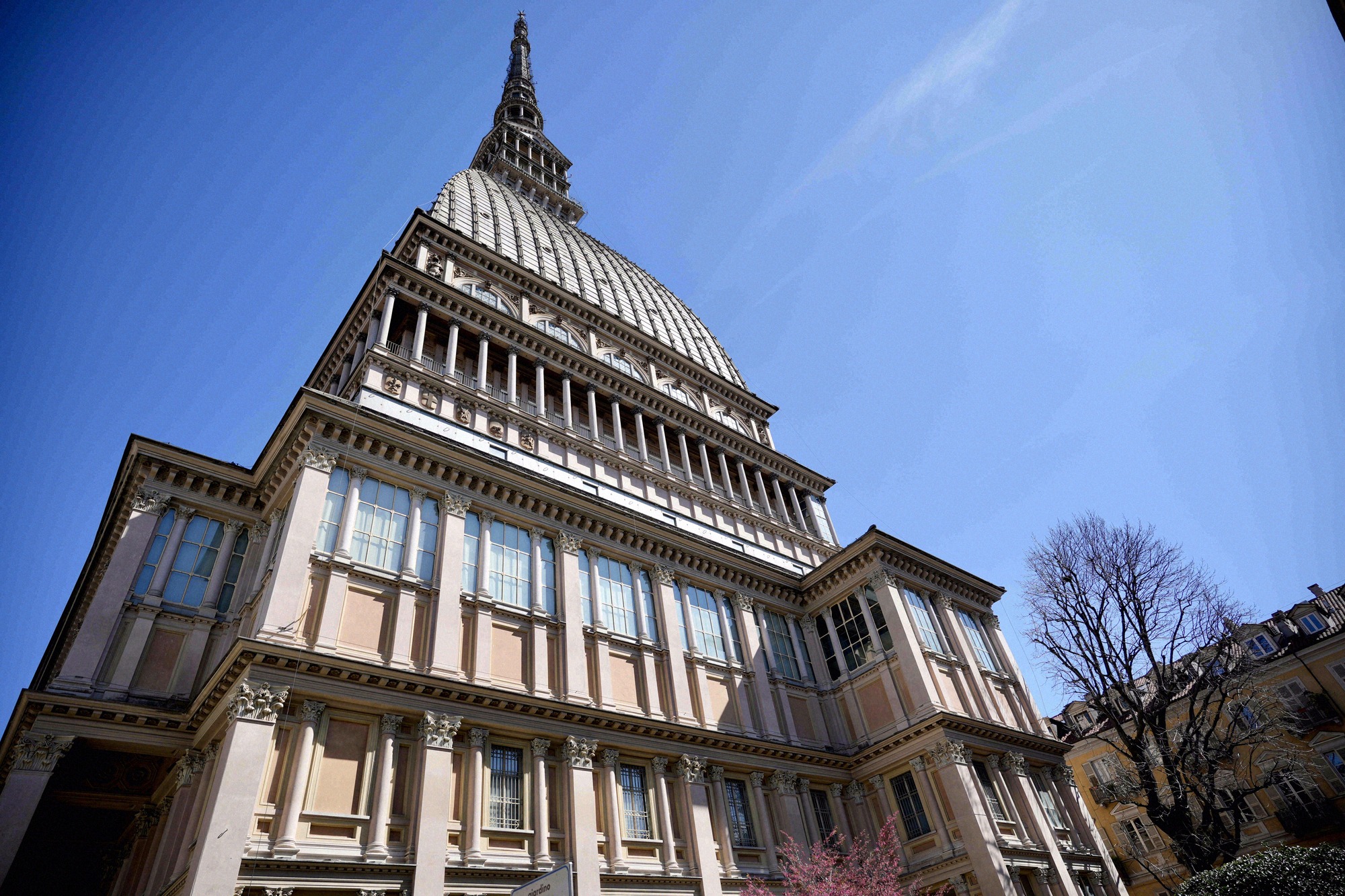
Mole Antonelliana
At 167 m, the Mole is Turin's landmark. Inside is the Museo Nazionale del Cinema, and up top a viewing platform at 85 m with a glass panoramic lift.
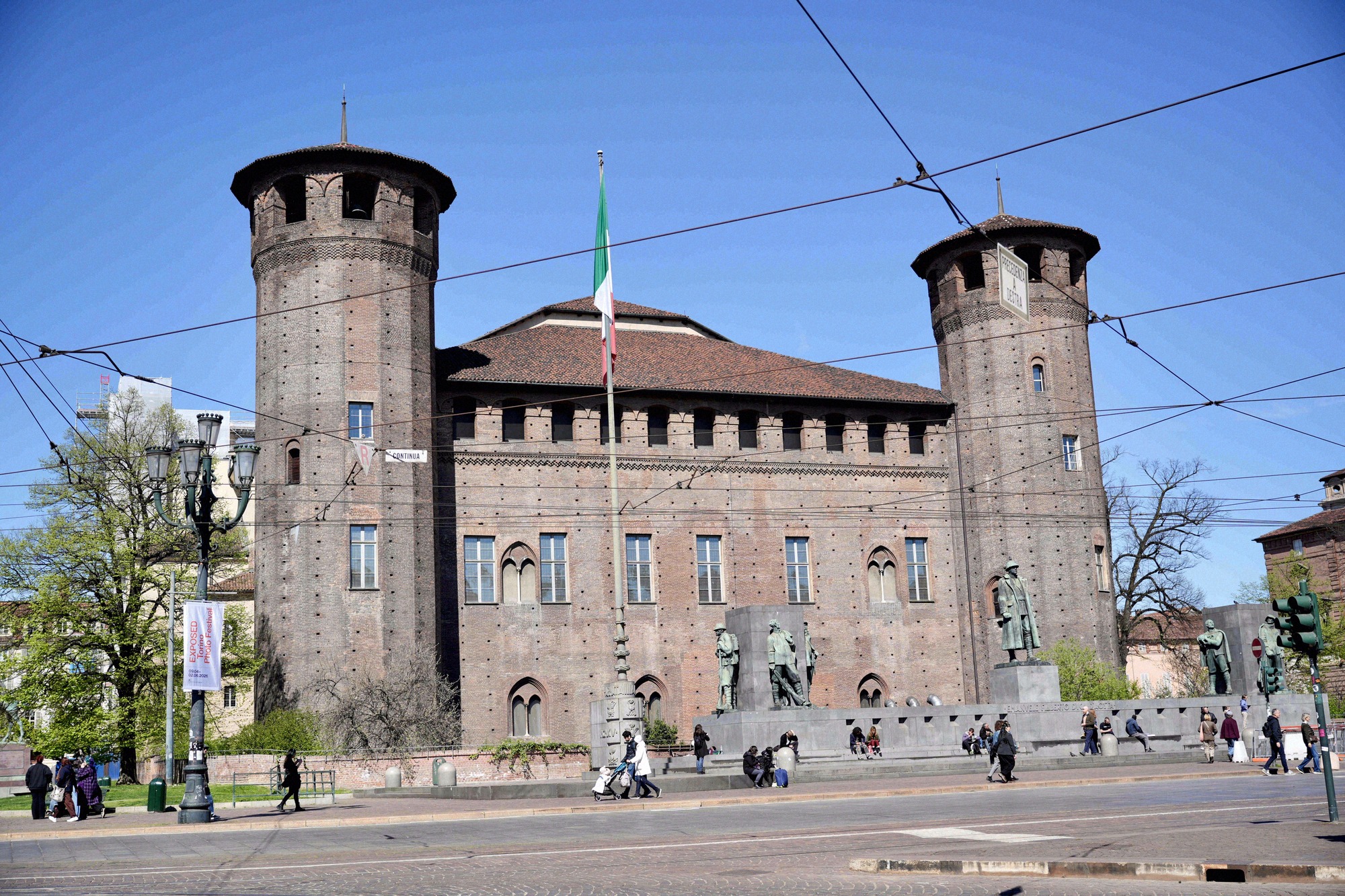
Palazzo Madama
From a Roman gate through a medieval castle to Juvarra's Baroque facade - Palazzo Madama on Piazza Castello houses Turin's museum of ancient art.
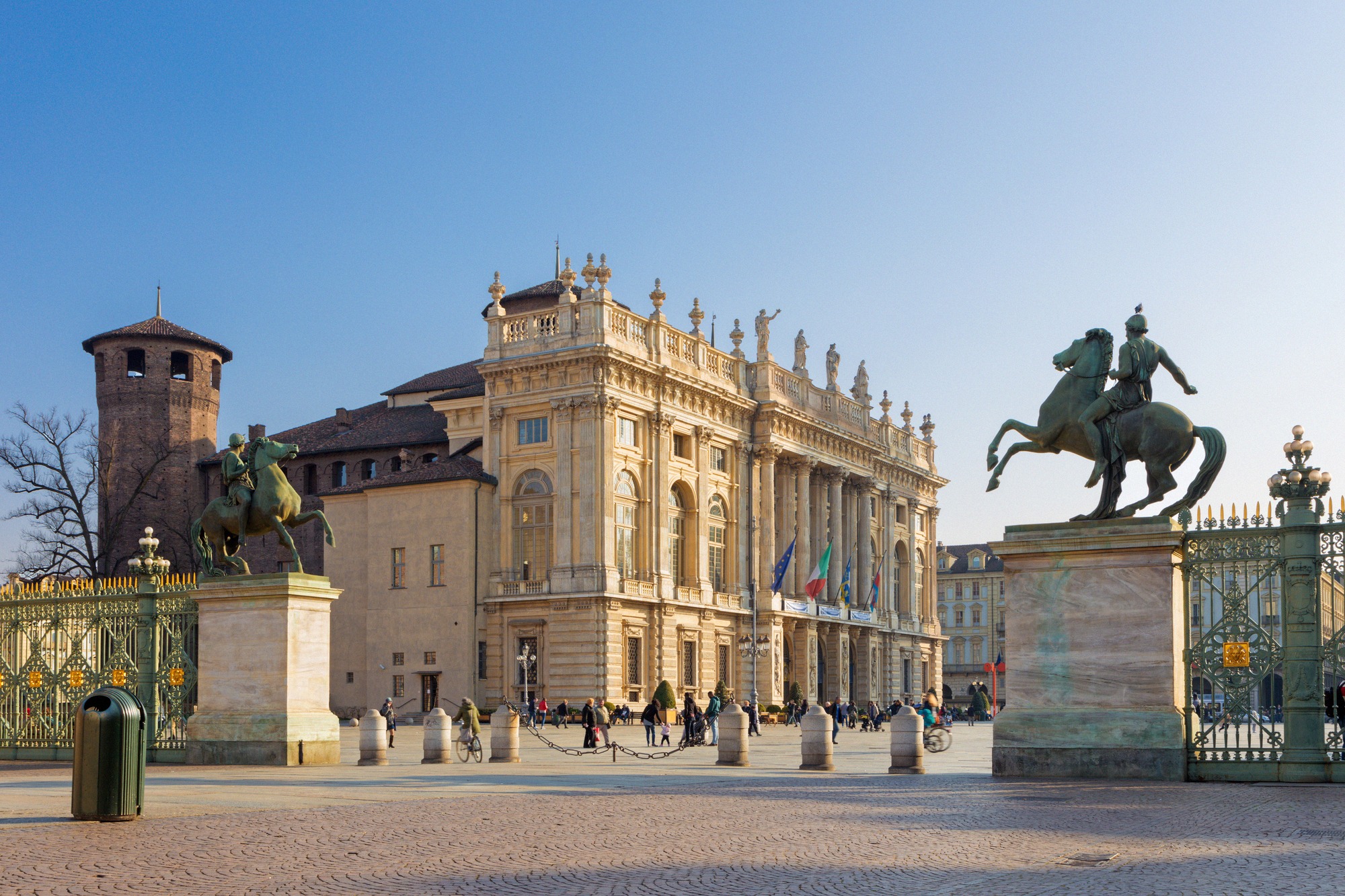
Piazza Castello
Turin's monumental main square, home to Palazzo Reale, Palazzo Madama, Teatro Regio and San Lorenzo. Free to visit and the ideal starting point.